
Last updated November 16, 2026
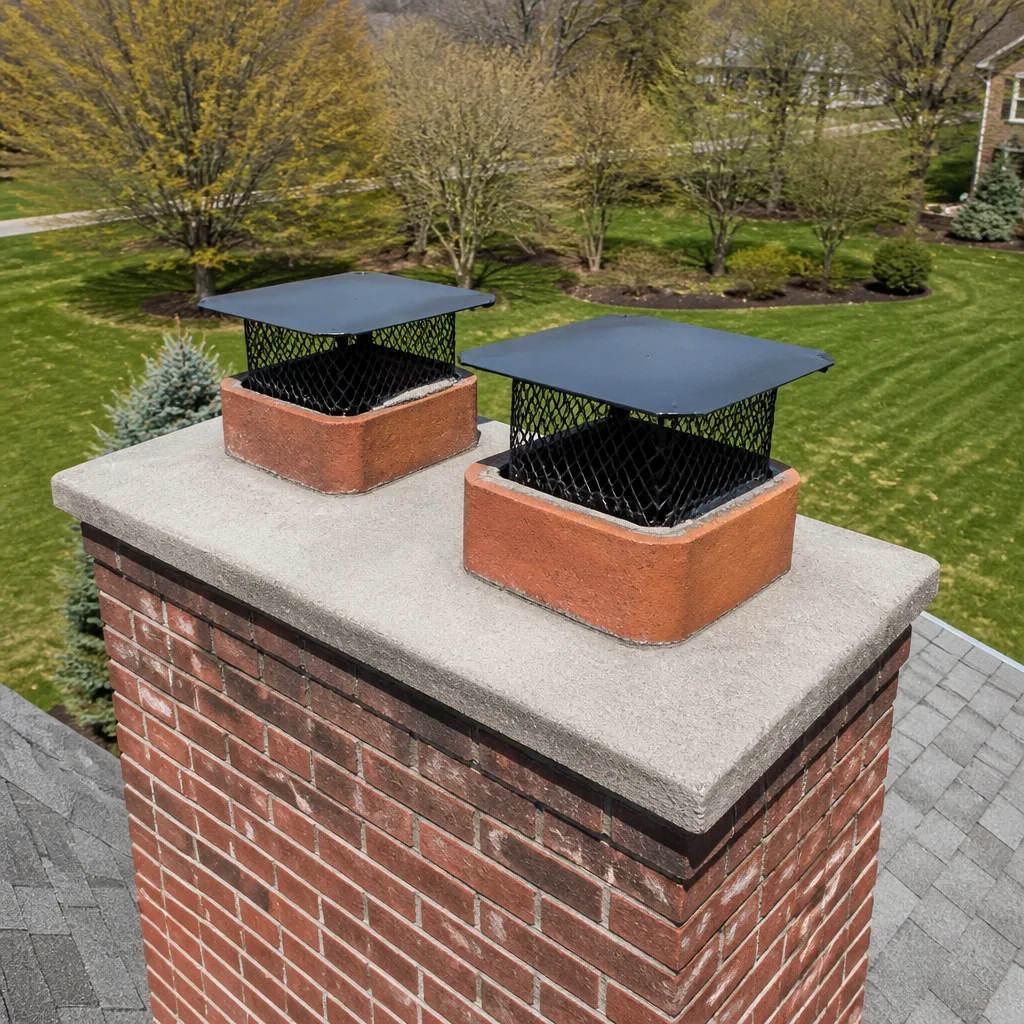 Sweep & inspection
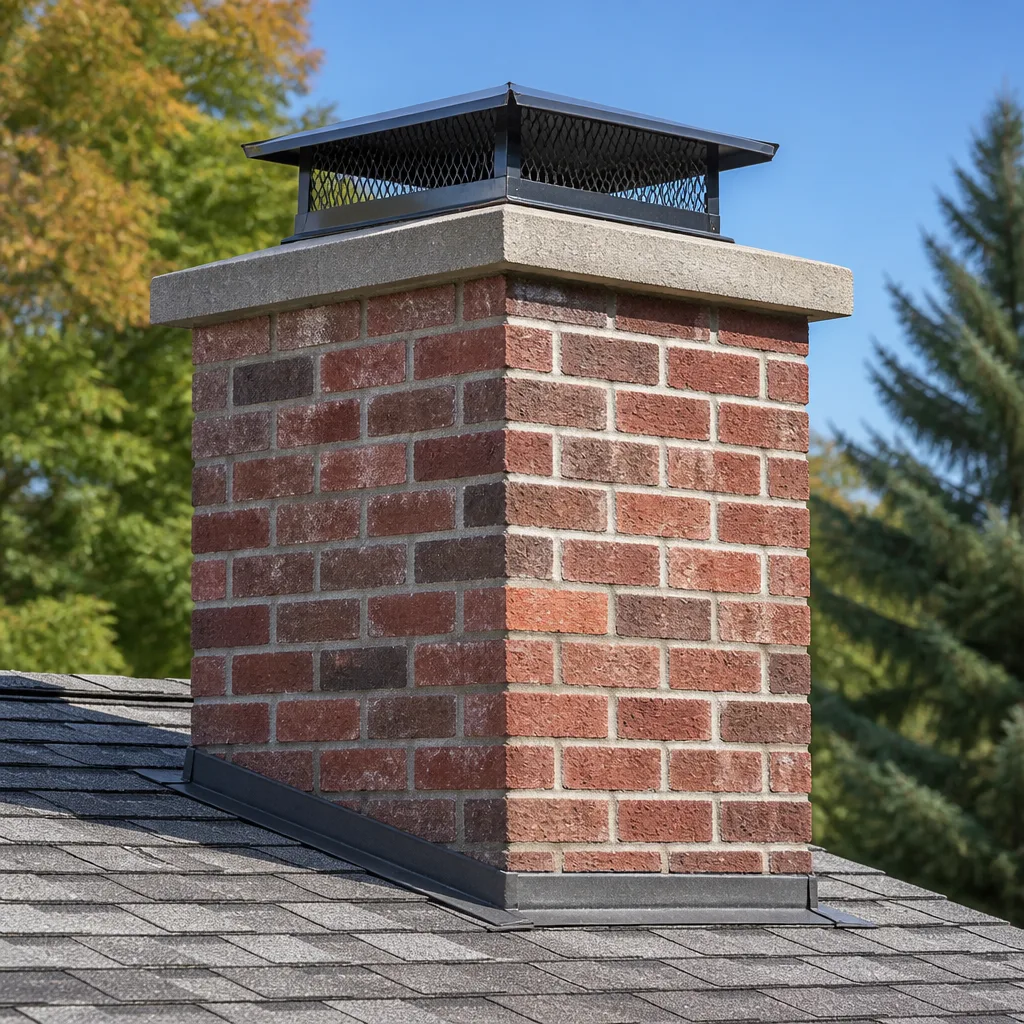 Caps & crowns
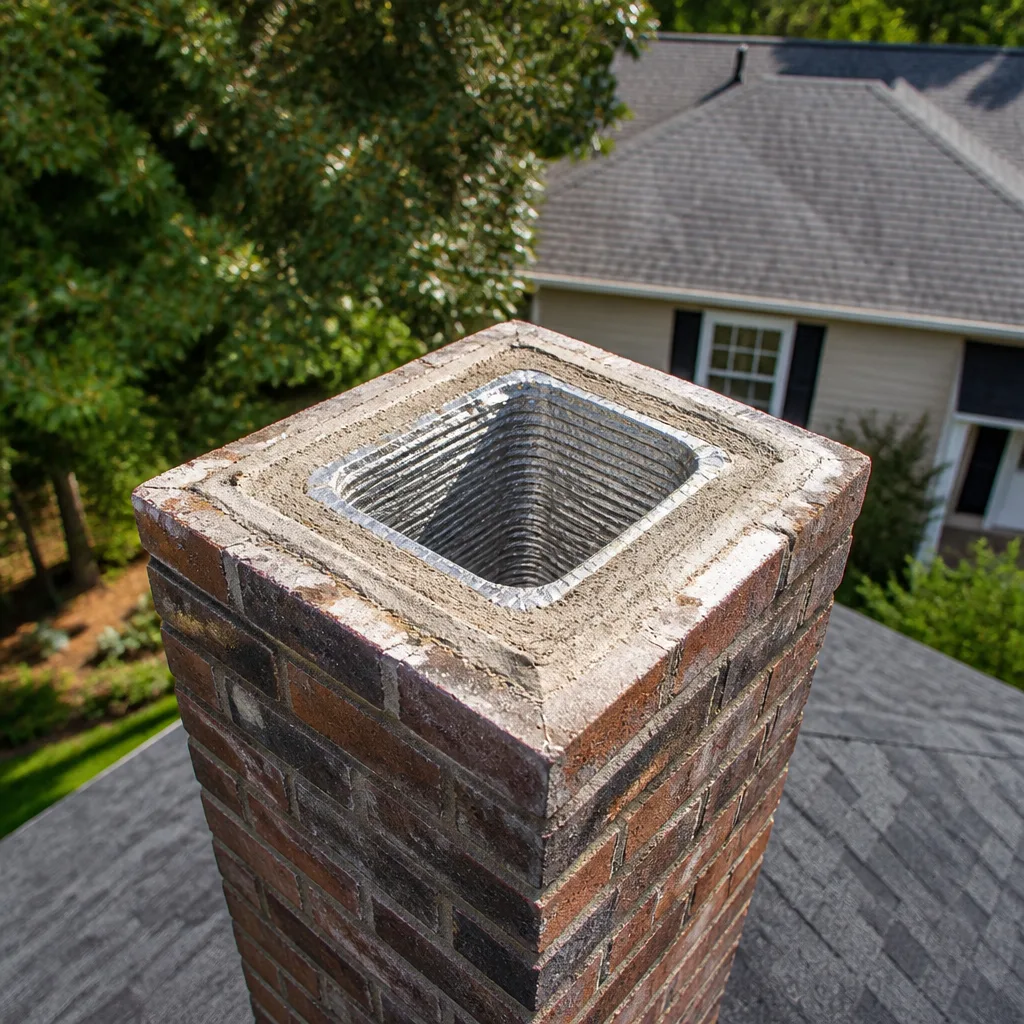 Flue relining
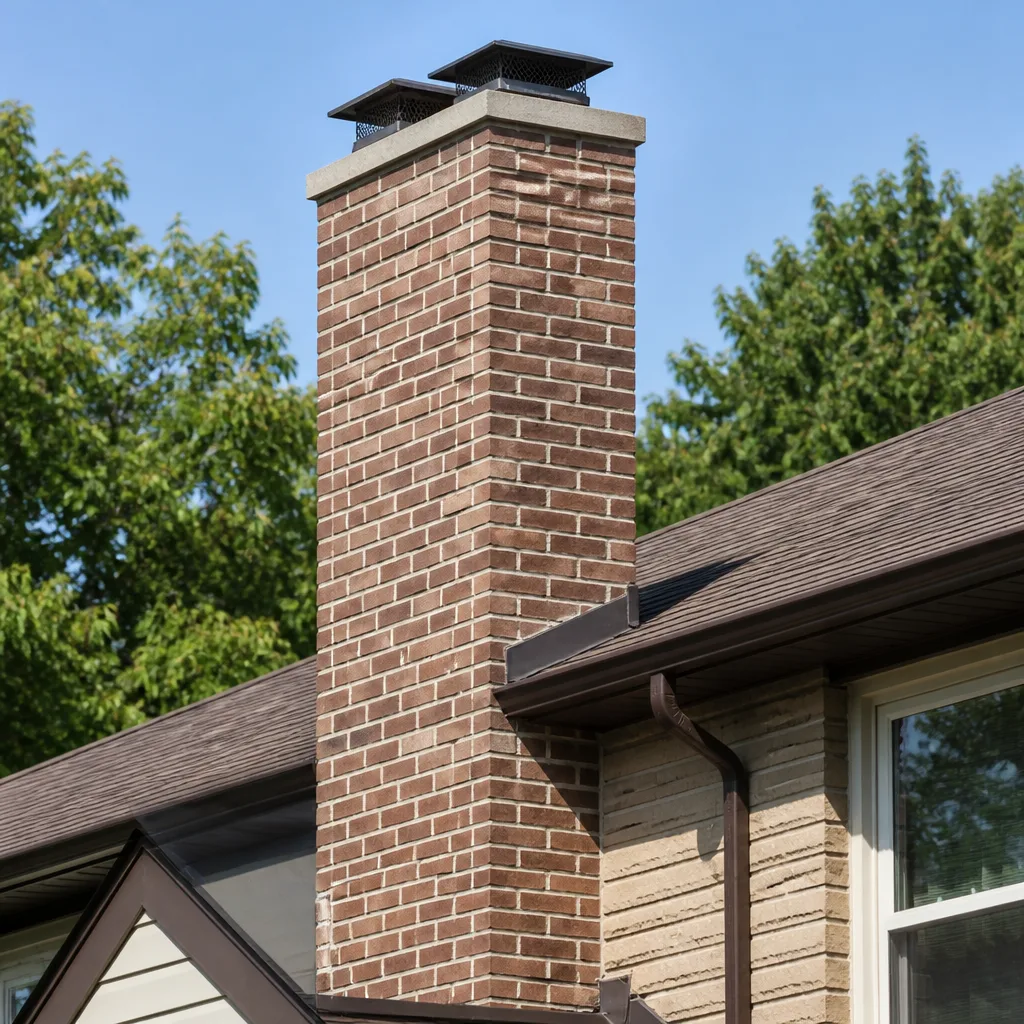 Masonry repair
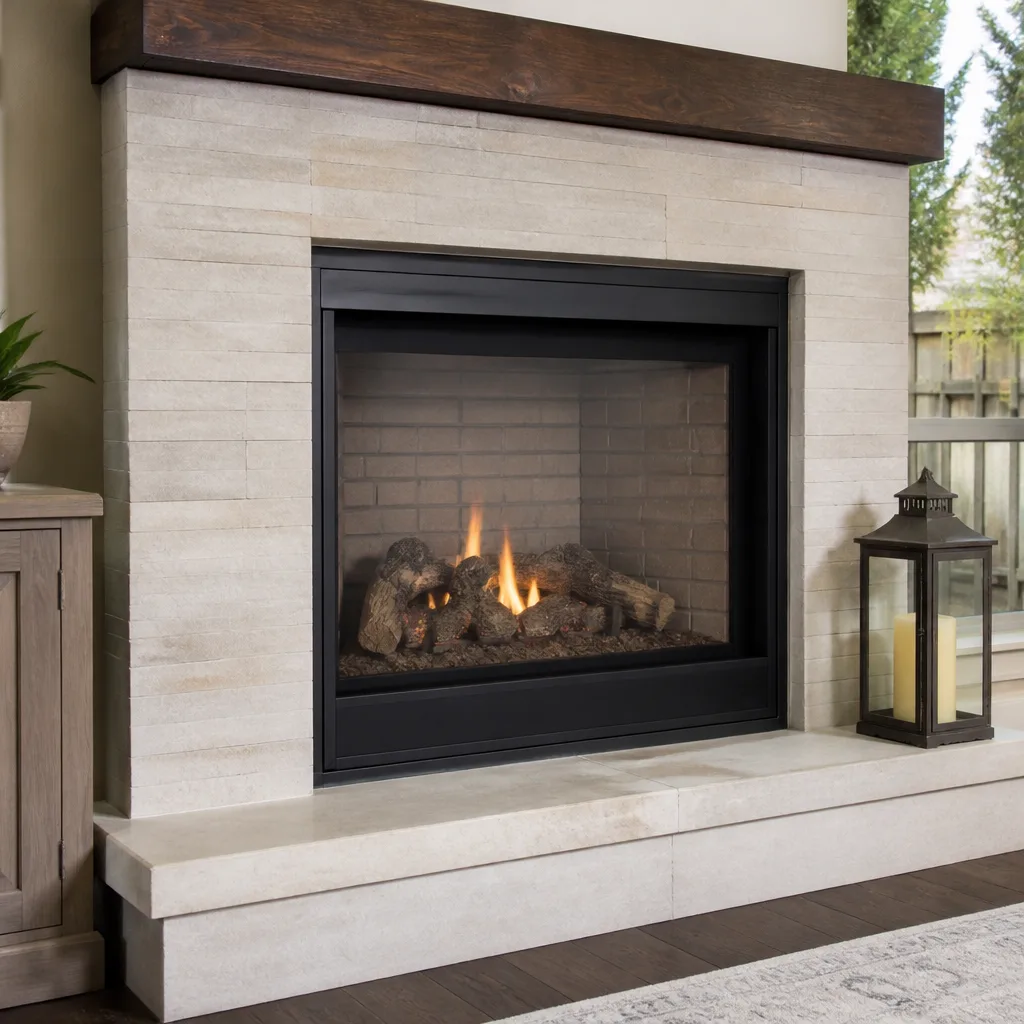 Gas fireplace service
Level 1 sweep and inspection to the NFPA 211 annual standard - flue, crown, cap, and flashing checked and photographed
Chimney sweep logs do not sweep chimneys. They loosen some creosote - which then falls where a brush and vacuum still have to collect it.
The Complete Guide to Chimney Cleaning in Daly City
Most Daly City homeowners light fewer than twenty fires a year. By that math, a chimney ought to stay clean for a long while. But fire count is only half the story. What happens between fires matters just as much, and in Daly City the marine layer humidity, the mild winters, and the older housing stock combine to create chimney problems that cold-weather climates rarely see. Moisture-driven creosote deposits and flue liner corrosion are far more common here than heavy seasonal use would suggest. This guide explains how chimney cleaning actually works in Daly City, what a proper sweep should look for, and how to know the job was done right.
Quick Answer
Chimney cleaning in Daly City is a professional sweep that removes soot, creosote, and blockages from the flue, firebox, and smoke chamber, followed by a visual condition assessment. Most Daly City homes should be swept once a year if they burn wood, or evaluated before each heating season in low-use fireplaces, because the local humidity allows creosote to accumulate even with light burning. A cleaning visit is not the same as a full-service sweep, and a full-service sweep is not a replacement for an inspection.
Styles & brands we work with
- Sweep & inspection
- Caps & crowns
- Flue relining
- Masonry repair
- Gas fireplace service
Table of Contents
- Why Daly City Chimneys Get Dirty Differently
- Cleaning Visit vs. Full-Service Sweep: What’s the Difference?
- How Marine Layer Humidity Affects Creosote Formation
- Level 1 vs. Level 2 Inspection: Which Do Daly City Homes Need?
- Unlined Flues in Daly City’s Pre-1980s Housing Stock
- How a Professional Chimney Sweep Actually Works, Step by Step
- How to Verify a Chimney Cleaning Was Done Thoroughly
- How Often Should You Clean Your Chimney in Daly City?
Why Daly City Chimneys Get Dirty Differently
The conventional chimney advice was written for places with hard freezes and months of continuous fireplace use. Daly City does not work that way. Winters are mild here. You might light a fire on a foggy evening and skip the fireplace for two weeks. That pattern does something to a chimney that heavy seasonal use does not: it lets moisture settle into the flue in the long gaps between fires, and then the next fire heats that moisture up along with the deposits it left behind.
This is why we tell homeowners not to use fire count as the sole measure of whether their Daly City chimney is due for cleaning. Creosote forms from the condensation of unburned wood gases as they cool on the way up the flue. Cooling happens faster in short, cool fires than in hot, sustained ones, so a home that burns twenty small fires can accumulate more glaze than a home that burns fifty hot ones. Add the ambient moisture from a persistent marine layer, and the deposits have something to cling to.
There is a second Daly City factor: the housing stock. A large share of homes in Daly City were built before 1980, and a good number of those chimneys were never lined in the way modern codes require. Older masonry absorbs moisture differently from newer construction, which means the chimney itself can hold dampness between uses. Any cleaning visit that stops at sweeping the visible flue and never checks the liner material is not addressing the real risk.
We’ve seen Daly City chimneys where the visible flue looked clean at eye level, but a camera down the stack revealed a cracked liner joint two feet down. When homeowners call Chimney Sweep Daly City, this is the kind of thing we arrive expecting to find, because the local pattern calls for it. Cleaning in Daly City means looking at the whole system, not just the parts a flashlight reaches.
What to remember: fire count tells you how active the fireplace is. It does not tell you how much moisture has worked its way into the flue between fires, and that second number is the one that matters here.
Cleaning Visit vs. Full-Service Sweep: What’s the Difference?
A cleaning visit is a targeted removal job. A full-service sweep is a complete assessment and cleaning package. Both remove creosote and soot, but they answer different questions for the homeowner, and knowing which one you actually booked can save you from assuming the job covered more than it did.
A basic cleaning visit typically includes:
- Removal of soot and loose creosote from the firebox, smoke shelf, damper, and the accessible portions of the flue
- Vacuum containment to prevent soot from entering the home
- Visual check of the firebox and damper operation after cleaning
A full-service sweep typically adds:
- A camera inspection of the entire flue length, not just the accessible portion
- Assessment of the liner for cracks, gaps, or missing sections
- Check of the crown, cap, and any exterior termination for damage or obstruction
- A written or photographic report of findings with recommended next steps
The practical difference is simple. A cleaning visit tells you the chimney is cleaner than it was. A full-service sweep tells you what the chimney’s actual condition is. In Daly City, where the age of the housing stock varies block by block and the climate produces liner issues that aren’t visible from below, the second option is usually the more useful one.
Homeowners also often use “cleaning” to describe a visit where they actually need a chimney sweep at full scope. It’s better to ask when booking which level of service the appointment includes, so there’s no surprise when the technician starts explaining what a proper evaluation would add. A clear cost estimate before the work begins protects both sides.
Every Daly City home is different, and the range of what’s needed spans from a quick soot removal to a full camera-guided sweep with repair findings. A visit that doesn’t open with a clear answer on what was booked is a visit worth questioning before it happens.
How Marine Layer Humidity Affects Creosote Formation
Creosote forms when unburned wood gases cool and condense on the inner surface of the flue. Humidity affects this process in a specific way: it slows the burn, which reduces flue temperatures, which pushes the condensation point lower in the flue. In cold, dry climates the fire gets hot quickly and the flue stays hot enough to keep most of the gases moving out and away. In Daly City’s mild, moisture-heavy air, small fires often don’t get the flue up to a temperature that fully clears the gases, and what stays behind has more time to bond to the masonry.
There are three broad grades of creosote, and they matter because each one requires a different approach:
- Stage 1: Fluffy, soot-like deposit. Brush removal is usually enough.
- Stage 2: Hard, crusty deposit with visible flakes or curling. Requires more aggressive brushing, sometimes a rotary tool.
- Stage 3: Glazed, tar-like deposit with a shiny surface. This is the highest-risk grade and the hardest to remove. In some cases a chemical treatment cycle is required before the deposit can be brushed loose.
Stage 3 creosote is what makes a chimney genuinely dangerous to burn in. It’s dense, highly combustible, and it sits against the flue wall where a small ignition event can spread it. The safety concern is not hypothetical, and it’s the reason a professional sweep takes the extra time to identify and remove it rather than treating every flue the same. If a technician finds Stage 3 glaze and suggests a treatment cycle before the next burn season, that is a fix based on real evidence. It is not an upsell.
In Daly City homes with a gas insert or a solid-fuel stove, the chemistry differs slightly but the principle holds: moisture and short burn cycles favor deposit buildup. Gas inserts produce less creosote than wood fires, but the flue still needs periodic inspection for corrosion, insect nests, and obstruction from debris. The chimney repair needs that most often go unnoticed in Daly City are the ones that start small and sit for years before a homeowner notices a problem.
What we tell homeowners is to think about their burn pattern, not their fire count. A few long, hot fires a month create less creosote risk than twenty short ones spread across the season. If the fireplace gets short burns, the chimney needs a closer look at the annual sweep, because the deposits may be more advanced than the fire count suggests.
Level 1 vs. Level 2 Inspection: Which Do Daly City Homes Need?
Chimney inspections are broken into three levels, and the level determines what the technician actually looks at. Understanding the difference matters because a Level 1 inspection can miss problems that a Level 2 catches, and the difference is not always obvious from what the technician says during the visit.
Level 1 inspection covers the readily accessible portions of the chimney: firebox, damper, smoke shelf, accessible flue from the firebox, and visible exterior portions. It’s the baseline check that comes with a routine sweep. It answers whether the chimney is currently safe to use under conditions that haven’t changed since the last inspection.
Level 2 inspection adds a camera examination of the full flue length, plus accessible attics, crawl spaces, and exterior surfaces. It is required whenever the chimney has changed: a new appliance connected, a liner replacement, a property transfer, or an event like a chimney fire or an earthquake. It is also the level most Daly City homeowners should ask for when the chimney’s history is uncertain, which is common in pre-1980s housing where prior work may not be documented.
Level 3 inspection is rare and is used when access to concealed areas is required to diagnose a specific problem. It involves opening walls or other construction and is only recommended when the visible evidence supports it.
The practical choice for a Daly City homeowner:
- Routine annual check on a chimney with a known history: Level 1 with the standard sweep.
- New home purchase, unknown history, or any concern about the liner: Level 2.
- Recently suspected chimney fire or a visible structural concern: Level 2, escalating to Level 3 only if the evidence requires it.
None of these inspections require repairs to be done immediately. A good inspection reports what’s there and what isn’t urgent. Our approach is straightforward: we show you what we find before we recommend anything, and we tell you honestly when a finding can safely wait for the next season rather than being addressed now.
Unlined Flues in Daly City’s Pre-1980s Housing Stock
A significant portion of Daly City homes were built before modern liner requirements were universally applied. That means two things: some flues were built with a clay tile liner that has since cracked or lost joints, and some were built without a proper liner at all, relying on the masonry itself as the flue surface. Neither of those is automatically unsafe, but both require different evaluation criteria than a modern lined flue.
An unlined masonry flue is essentially the inside face of the brick chimney. Over years of heat cycles and moisture exposure, the mortar between bricks can soften, spall, or fail. Where joints have opened, combustion gases and moisture have a path into the surrounding structure. That’s the risk that makes an unlined pre-1980s Daly City chimney worth examining more carefully, not just swept.
The good news is that not every unlined or damaged flue needs a full relining. There are intermediate options. The HeatShield ceramic resurfacing system is one of them: it restores the inner surface of a qualifying flue by applying a ceramic sealant that fills cracks and smooths joints, giving the flue a renewed interior surface without removing the existing liner. For a Daly City chimney with Stage 2 creosote damage or minor tile cracking, HeatShield can be a smart middle path between a sweep and a full reline.
Where the flue requires a new liner, the standard approach is a flexible stainless liner system such as DuraFlex, sized to the appliance and the flue’s dimensions. Flexibility matters in Daly City because older chimneys often have offsets, flue transitions, or non-standard shapes that a rigid liner can’t negotiate. Having a properly sized flexible system on hand means a repair can be completed in a single planned visit rather than rescheduled for materials.
For qualifying masonry chimneys, Olympia Chimney and Gelco product lines round out the material set we work with. The point isn’t the brand name on the box. It’s that a fix should be matched to the actual condition of the chimney, using materials designed for that specific application, not improvised from generic stock. If a repair recommendation doesn’t come with a clear explanation of why that approach fits this chimney, it’s fair to ask for one.
How a Professional Chimney Sweep Actually Works, Step by Step
Most homeowners have never watched a sweep, and the mystery makes it harder to know whether the visit was thorough. Here’s the sequence, in order, of what a professional sweep covers. If your last cleaning skipped one of these steps, it’s worth asking why.
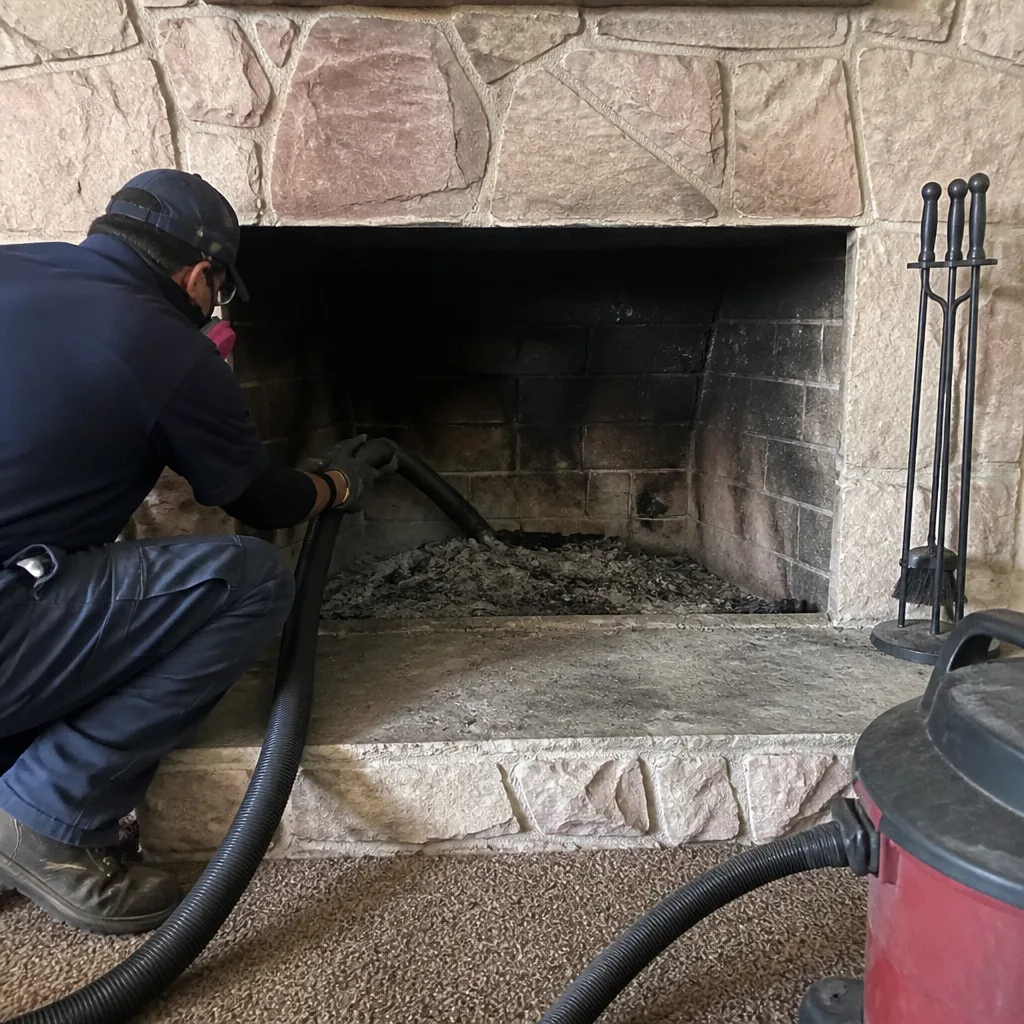
- Property protection. Drop cloths and a contained vacuum system go down before any tool touches the firebox. This is not optional in an occupied home.
- Exterior and termination check. The cap, crown, and chimney top are inspected first, before the flue is disturbed, because debris from below can obscure damage from above.
- Firebox and damper check. The firebox interior, damper plate, and smoke shelf are evaluated for soot depth, creosote grade, and any signs of prior overheating.
- Flue cleaning from the bottom up. The technician sweeps upward with rods and brushes sized to the flue, working from the firebox to the top. Any obstruction, including bird nests, leaves, or a collapsed tile, is dislodged and captured.
- Camera inspection. A camera is run the full length of the flue. Every joint, offset, and termination point is checked for cracks, gaps, or deterioration.
- Creosote grading and record. The technician records the creosote grade present and, where applicable, the condition of any liner.
- Cleanup and walkthrough. The area is cleaned and the technician walks the homeowner through what was found, ideally with photos or video.
The camera step is where most cleaning differences show up. A sweep without a camera can only speak to what’s visible from the firebox. A sweep with a camera can speak to the whole flue. In Daly City, where older masonry and Stage 2 creosote are common, the camera is what turns a cleaning visit into a real safety assessment.
How to Verify a Chimney Cleaning Was Done Thoroughly
You don’t need to climb a ladder to check whether the job was done. There are specific signs you can see from inside the home, and a few you can ask to see on the report, that separate a thorough cleaning from a quick brush-out.
What to look for inside the firebox after the sweep:
- The firebox walls and floor are clean of soot and dust, not just clear of ash.
- The damper opens and closes freely without grit in the pivot or latch.
- The smoke shelf (the ledge just above the damper) is clean; this is the spot most often skipped and the easiest to check.
- No fine soot dust is left in the firebox after the vacuum is removed.
What to ask for on the report:
- Photo or video of the flue interior at multiple points, especially any joints or offsets.
- The creosote grade found, stated in plain numbers (Stage 1, 2, or 3).
- A written statement of the liner type (clay tile, stainless, or unlined) and its condition.
- Any recommendation labeled as urgent versus something that can wait.
The last item matters most for the homeowner’s peace of mind. A recommendation to replace a liner should come with visual evidence of the reason. If a technician says “your liner is cracked” without showing you the crack, it’s fair to ask for the camera footage before proceeding. A thorough sweep produces that footage as part of the visit, not as a separate request.
If you’re not sure whether your last cleaning was actually thorough, the simplest test is to ask for the camera record. If nobody has one, that’s your answer about the visit.
How Often Should You Clean Your Chimney in Daly City?
The general rule is to sweep once a year for a home that burns wood regularly, or once per cord of firewood, whichever comes first. That rule was written for colder climates, and in Daly City it needs interpretation rather than blind application.
The better Daly City rule has three parts:
- Burn-pattern rule: If your fireplace sees frequent fires through the cool months (roughly October through March), schedule the annual sweep before the burn season starts. If you burn fewer than twenty fires a year, schedule a sweep and camera inspection at least every other year, and after any year with visible soot or glaze at the top of the firebox.
- Event rule: Any new appliance connection, any property purchase, any earthquake felt locally, or any suspected chimney fire calls for a Level 2 inspection regardless of how recently the last sweep happened. Events change the chimney’s condition in ways that fire count can’t track.
- Evidence rule: If you can see Stage 2 or Stage 3 creosote on the inside of the firebox or the smoke shelf, the chimney needs cleaning regardless of last year’s schedule.
For a gas insert or solid-fuel stove, the frequency is lower but the inspection still needs to happen. Corrosion, blockages, and liner degradation don’t care how much you burn. A gas appliance’s flue that has been unused for years can be full of bird nests, leaves, or a collapsed tile from above, and that’s a safety issue before the first fire.
If you’re uncertain how your Daly City home fits these rules, an annual inspection gives you a clean baseline. Inspect first, then schedule cleanings based on what the flue actually looks like.
Common Mistakes to Avoid
- Judging by fire count alone. A Daly City home with twenty small fires can have more creosote than a home with fifty hot ones because cool burns condense more. Sweep based on what’s in the flue, not on how often you light it.
- Skipping the camera inspection. A cleaning without a camera only reaches the visible part of the flue. In older Daly City masonry, the most important problems sit exactly where the camera goes and the flashlight does not.
- Burning pressure-treated or wet wood. Both produce more creosote than dry, untreated wood. In mild Daly City winters, wood can look dry on the outside while still holding moisture, so check with a moisture meter before stacking it for the season.
- Assuming a lined flue is a safe flue. Clay tile joints crack with heat cycling and moisture over time, and a liner that looked fine two years ago can have failed joints today. The camera check is what separates assumption from evidence.
- Treating a gas insert like a wood fireplace. Gas produces less creosote, but its flue still needs inspection for corrosion and obstruction. Skipping it because the fire is “clean” leaves the venting path untested.
- Agreeing to a full reline without seeing the evidence. Some flues can be restored with a ceramic resurfacing system like HeatShield rather than a full reline. Ask to see the camera footage before deciding, and ask why a less invasive fix wouldn’t work.
- Waiting until the first cold snap to book. Chimney work is seasonal, and scheduling before the burn season means finding the problem while there’s still time to fix it before the first fire.
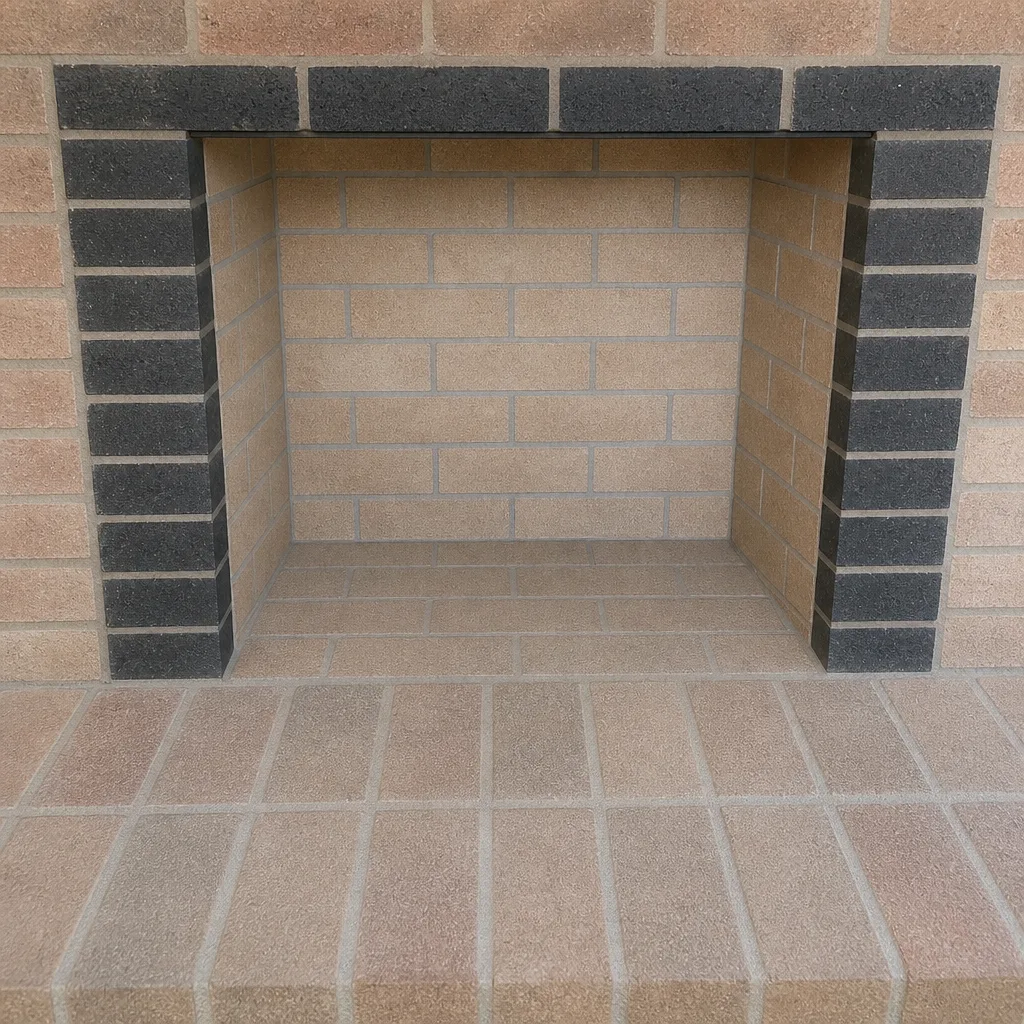
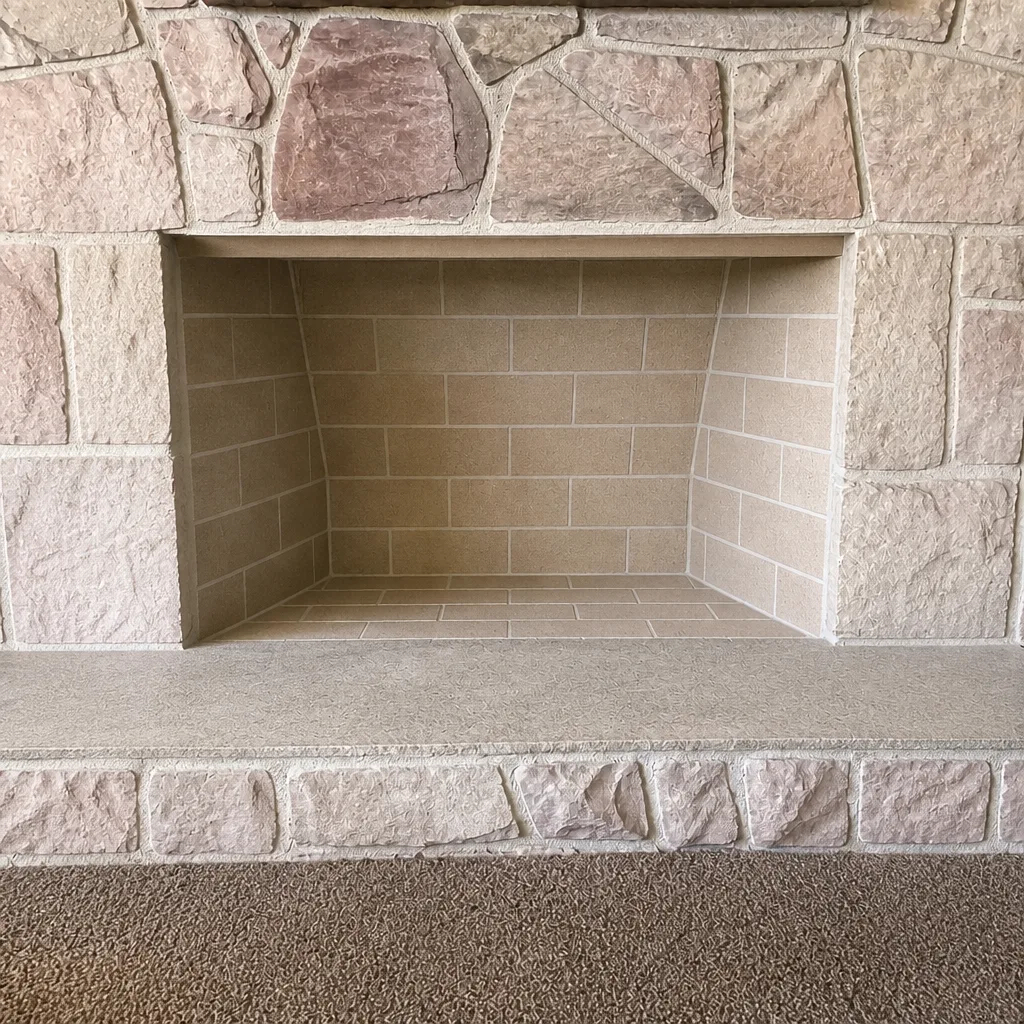
See the difference
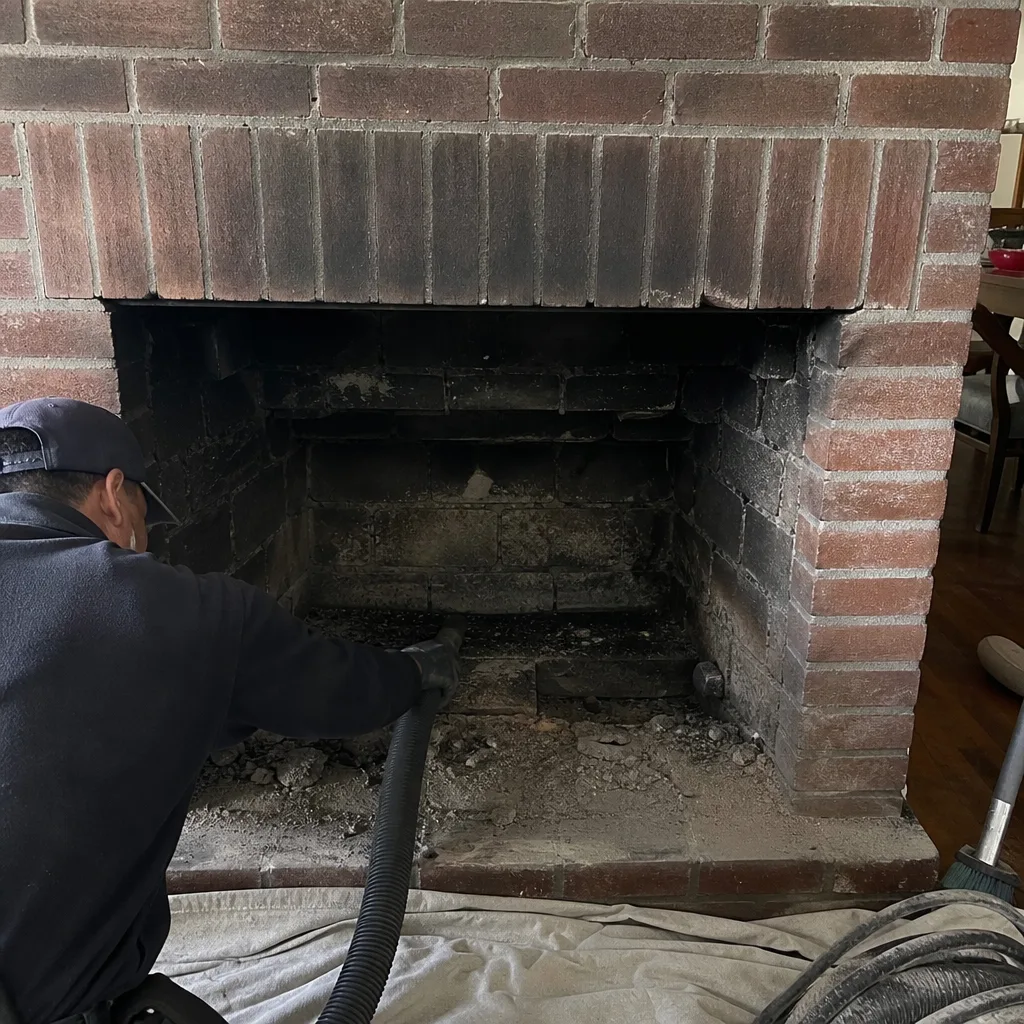 Before
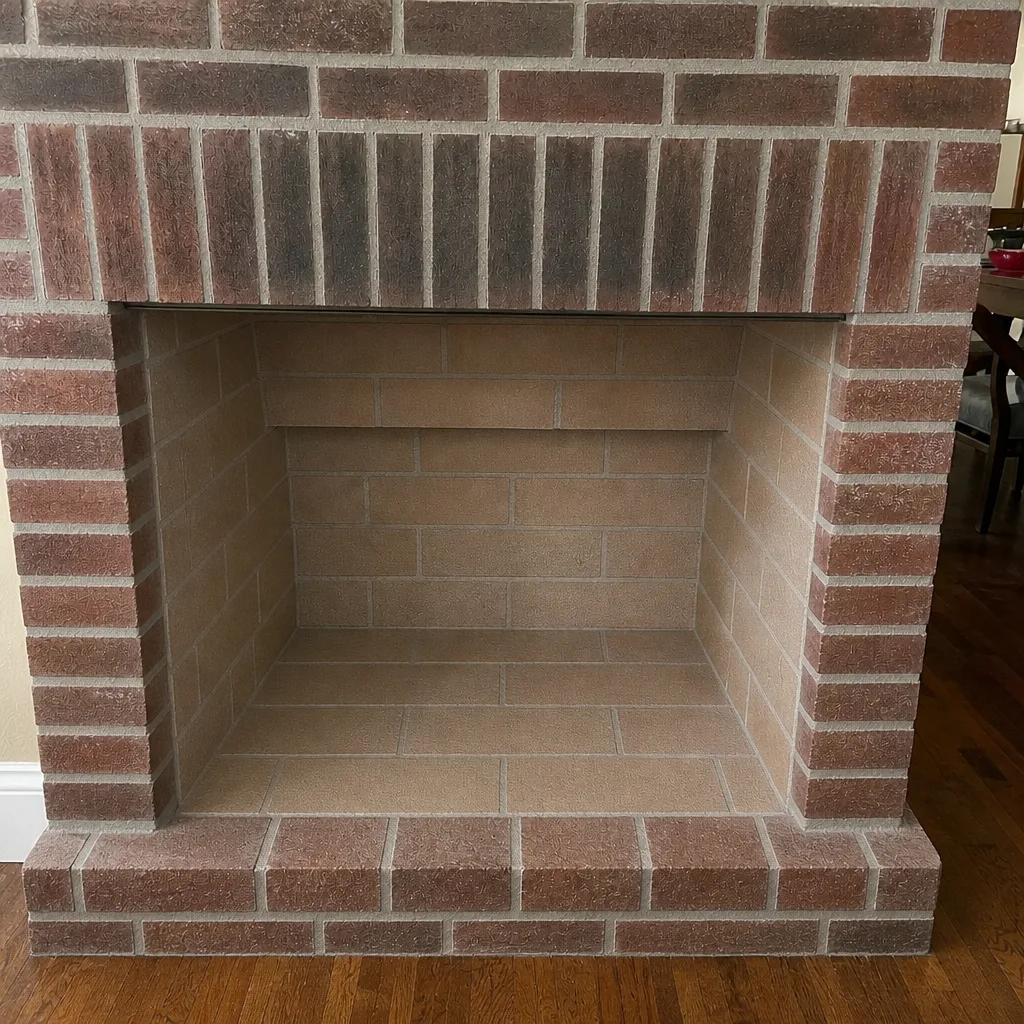 After
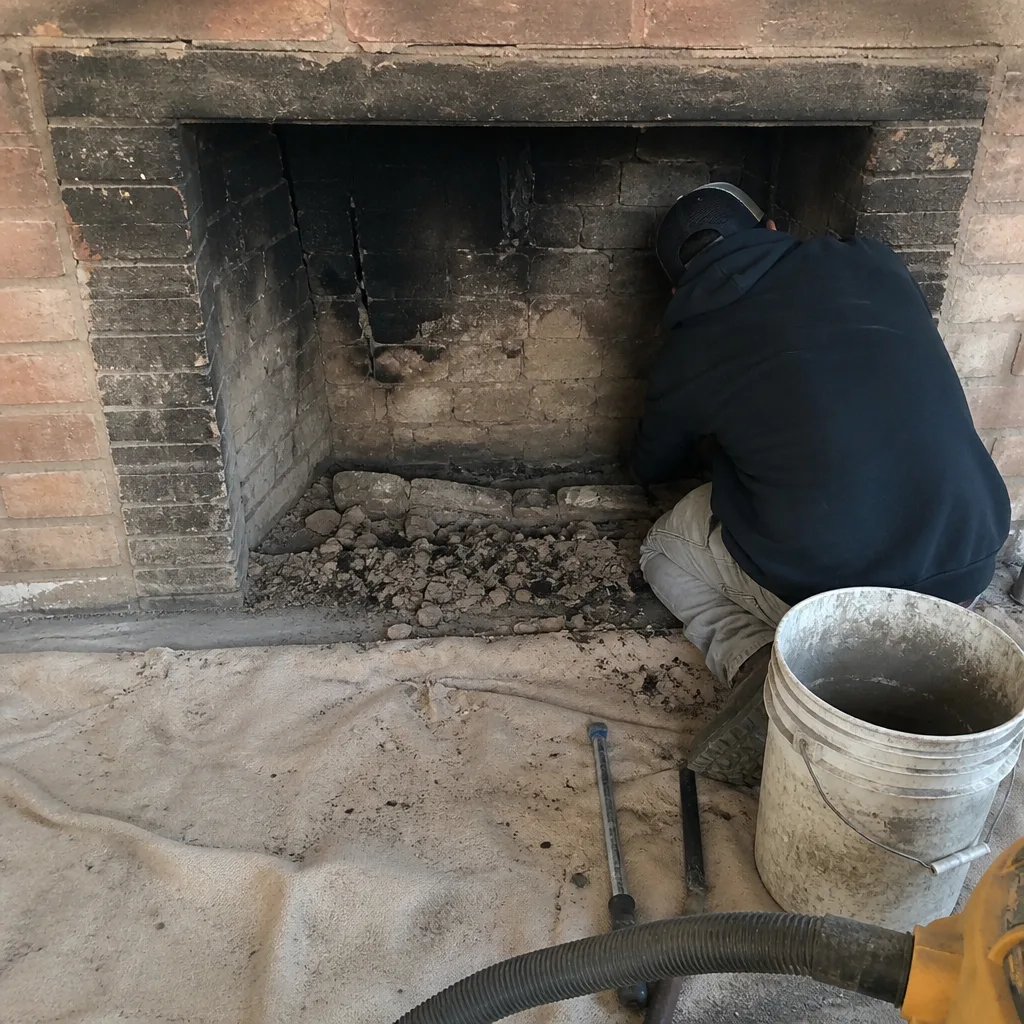 Before
 After
 Before
 After
When to Call a Professional
Call a chimney professional when you can’t remember the last sweep, when you notice soot or glaze on the firebox walls, when smoke rolls back into the room on lighting, when you suspect a chimney fire or hear a low rumble from the flue, or when you’ve bought a Daly City home and don’t know the chimney’s history. These are all situations where a camera inspection answers more than a visual check can, and where the cost of a proper evaluation is small compared to the cost of missing something. Chimney Sweep Daly City offers free estimates in Daly City. Call (866) 885-7416. We answer 24/7. Fast dispatch from 7am to 7pm, Sunday through Friday.
Frequently Asked Questions
A standard sweep in Daly City typically falls in a range that covers flue cleaning, firebox cleaning, and a basic visual check, with a full-service sweep that includes camera inspection priced somewhat higher. The written estimate is what sets the final price, and it should be given before any work begins. Call (866) 885-7416 for an exact quote; estimates are free.
Often yes, and Daly City is exactly the climate where low fire count can mislead. Cool, short burns and marine layer moisture combine to produce creosote in small-use fireplaces just as it forms in heavier use. A camera inspection is the only way to know what’s actually inside the flue. Call (866) 885-7416 to schedule one and get a straight answer about what your chimney needs.
Not always. Some clay tile liners can be restored with a ceramic resurfacing system rather than replaced, which avoids a full reline. The decision should come from camera evidence you can see, not a verbal diagnosis. Ask for the footage before agreeing to any liner work, and call (866) 885-7416 if you’d like a second opinion on what’s been recommended.
Creosote accumulates, and at Stage 3 it becomes a fire risk inside the flue. A blocked or deteriorated flue can also push combustion gases back into the home instead of venting them outside. Neither is a scare tactic; both are the reason annual inspection exists. If it’s been more than two years since your last sweep, call (866) 885-7416 for an evaluation.
Once a year for a fireplace that gets regular use through the cool months, and at least every other year with a camera inspection for a low-use fireplace. Any event (new appliance, home purchase, suspected chimney fire, earthquake) calls for an inspection regardless of schedule. Call (866) 885-7416 to set up a baseline inspection for your home.
A basic brush-out of the accessible flue is possible for a confident homeowner, but it can’t reach the parts that matter most, and it can’t identify cracked joints, failed tile, or Stage 3 glaze. The camera inspection and creosote grading require professional equipment. If you’re considering DIY, at least have the flue inspected once to know its baseline condition. Call (866) 885-7416 for an evaluation.
The Bottom Line
Chimney cleaning in Daly City is not the same job it is in a cold-weather climate. The mild winters, the marine layer moisture, the older masonry, and the low-but-steady fire patterns all change what a sweep should focus on. Annual cleaning, camera-equipped inspection, and honest reporting are the three pieces that make a Daly City chimney safe to burn in. Our team inspects, sweeps, and repairs with the same set of hands, using professional materials from DuraFlex, HeatShield, Gelco, and Olympia Chimney, and we show you what we find before we recommend anything. If a finding can wait, we say so.
Call (866) 885-7416 for a free estimate. We answer 24/7. Fast dispatch from 7am to 7pm, Sunday through Friday.
Written by the team at Chimney Sweep Daly City.