
Last updated November 16, 2026
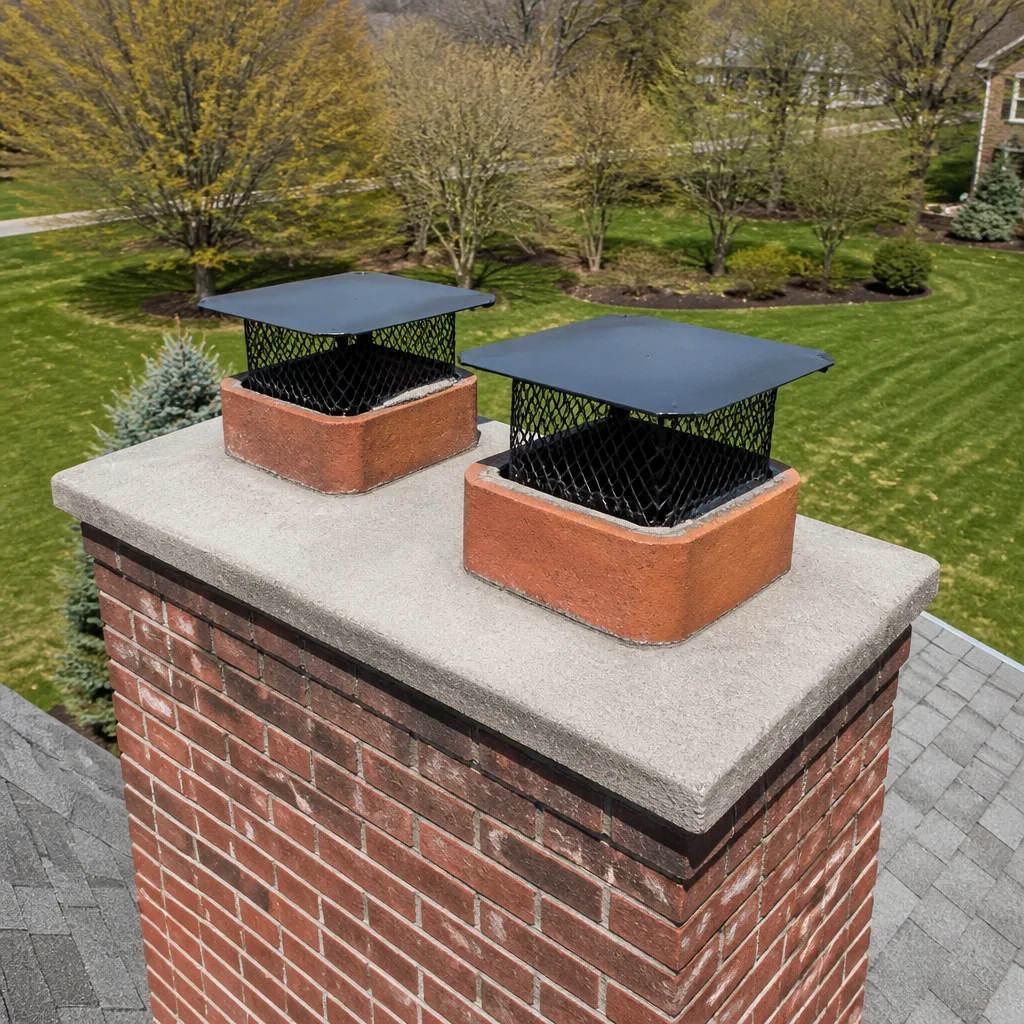 Sweep & inspection
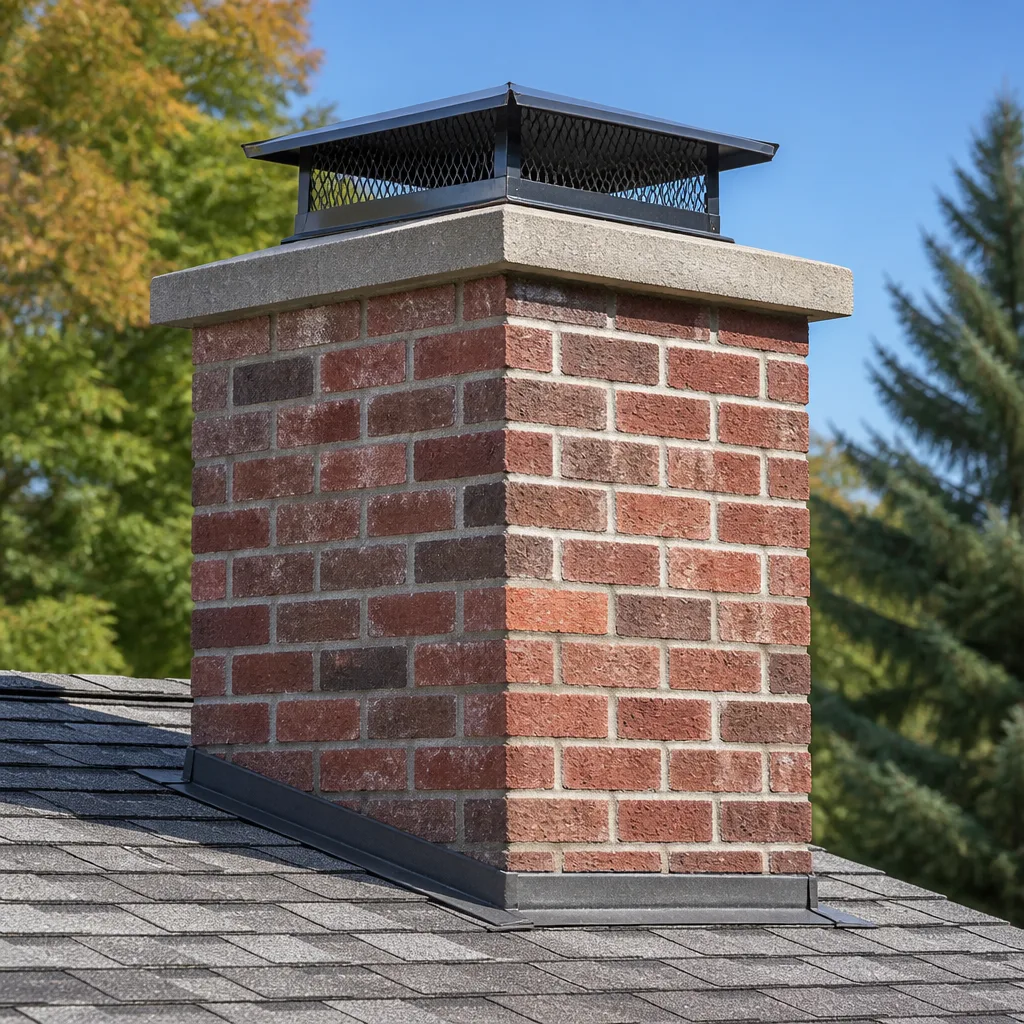 Caps & crowns
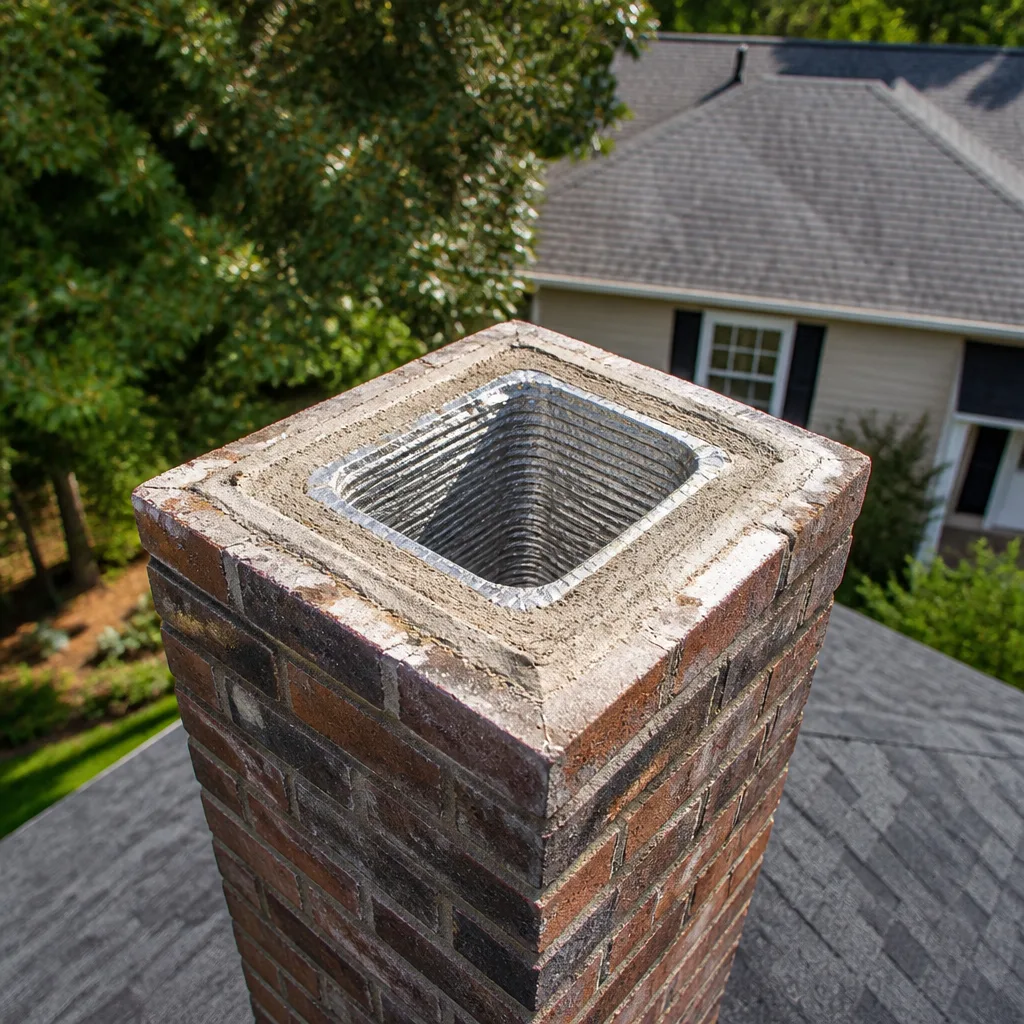 Flue relining
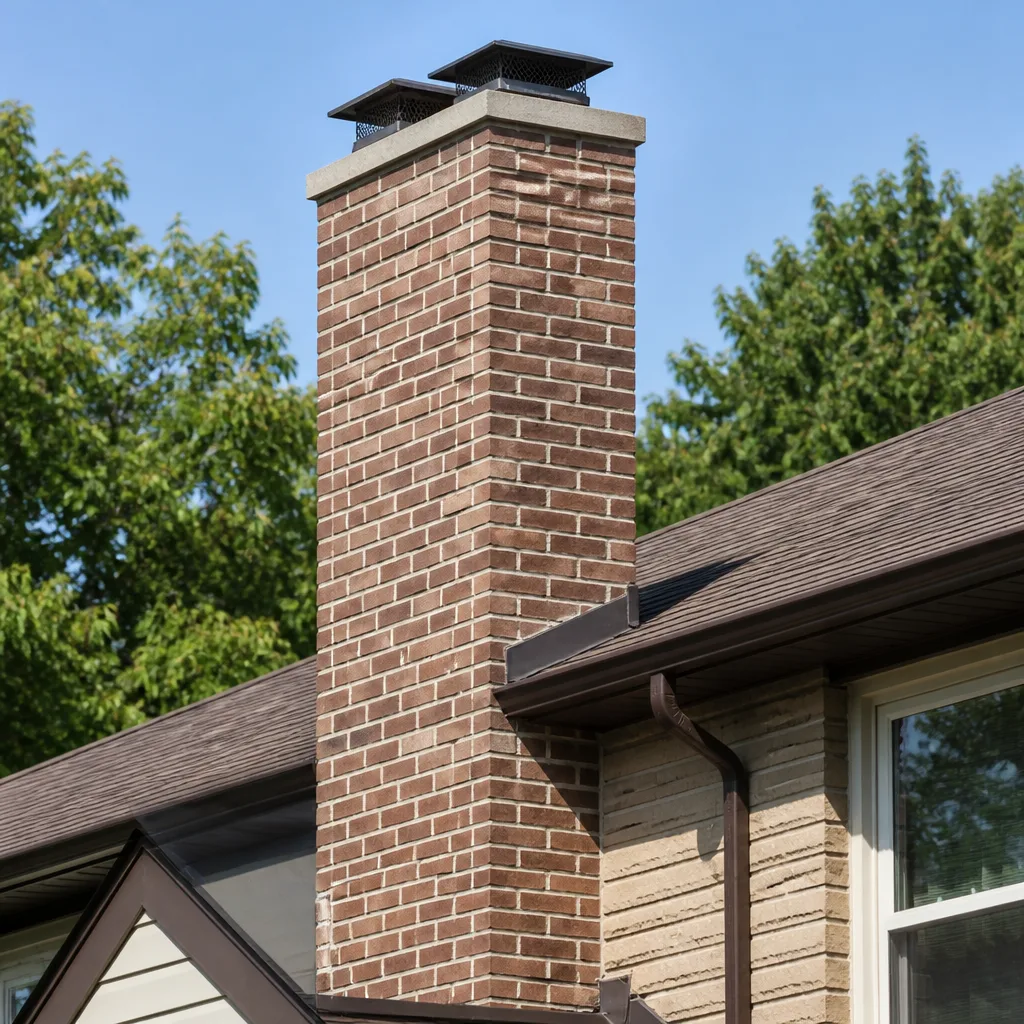 Masonry repair
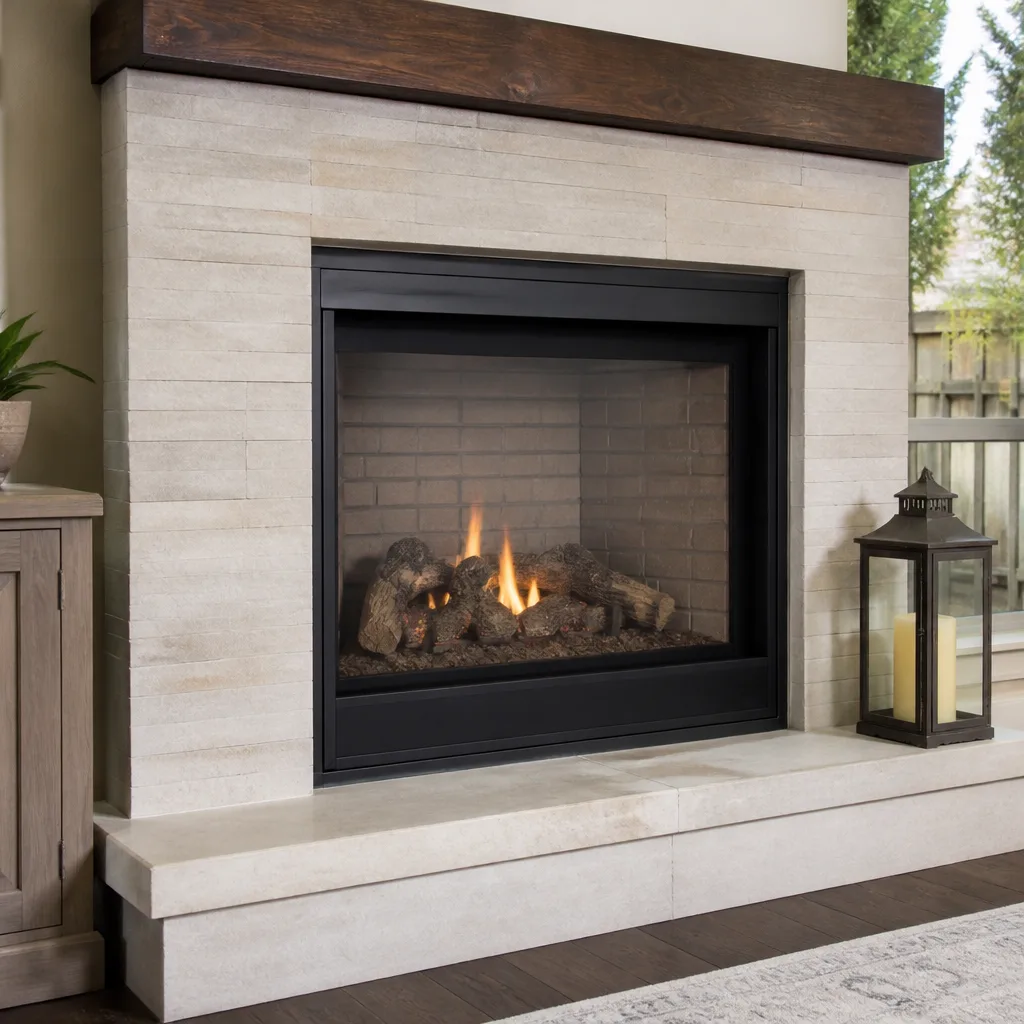 Gas fireplace service
Level 1 sweep and inspection to the NFPA 211 annual standard - flue, crown, cap, and flashing checked and photographed
Chimney sweep logs do not sweep chimneys. They loosen some creosote - which then falls where a brush and vacuum still have to collect it.
Seasonal Chimney Cleaning Care for Daly City: Year-Round Homeowner’s Guide
If you wait until October to schedule your chimney cleaning in Daly City, you’re already behind, and you’re competing with every other homeowner who read the same generic advice. The real chimney care calendar here runs opposite to what most national guides recommend. Daly City doesn’t get a clean, cold “fireplace season.” Fog rolls through in summer, winters stay mild, and fires get lit in short bursts whenever the evening turns cool, not in a steady six-month burn. That changes what creosote does inside your flue and when the smartest time to clean it actually falls. This guide walks through what happens to a Daly City chimney in each part of the year and gives you a two-visit annual schedule that fits how homes here really get used.
Quick Answer
In Daly City, the best time to clean your chimney is late spring, before summer fog pushes moisture into an uncleaned flue. A two-visit schedule works best: a full sweep and inspection in late spring, then a readiness check in early fall before you start lighting fires again. Year-round care means paying attention to your damper and firebox during the foggy months when the chimney sits idle.
Styles & brands we work with
- Sweep & inspection
- Caps & crowns
- Flue relining
- Masonry repair
- Gas fireplace service
Table of Contents
- Why Daly City Chimneys Don’t Follow the National Calendar
- Why Late Spring Is the Best Cleaning Window in Daly City
- What Happens Inside a Daly City Chimney During Fog Season
- Fall Tasks That Go Beyond Booking a Sweep
- Winter Use in a Mild Climate: Why Occasional Fires Can Be Harder on Your Chimney
- The Two-Visit Annual Schedule That Fits Daly City
- Neighborhood Notes: How Housing Stock Shapes Chimney Care
- Common Mistakes to Avoid
- When to Call a Professional
- Frequently Asked Questions
Why Daly City Chimneys Don’t Follow the National Calendar
Most chimney advice is written for places with four hard seasons. Clean in fall, burn through winter, rest in spring and summer. That pattern assumes a long, cold stretch where the fireplace runs often enough to keep the flue warm and dry between fires. Daly City doesn’t work that way. Winters are mild, summers bring fog, and homes here tend to light fires in short, irregular stretches whenever the marine layer settles in and the evening cools down.
That irregular use has real consequences inside a chimney. Creosote forms from incomplete combustion, and a fire that burns hot and steady produces less of the problematic glazed creosote than a series of short, cool fires that never fully heat the flue. A Daly City homeowner who lights a fire a few evenings a month through the cool season can build up more of the sticky, hard-to-remove creosote than someone in a colder climate who burns daily and keeps the flue consistently warm.
There’s a second local factor: moisture. The summer fog that defines Daly City weather keeps the air damp for months. An uncleaned flue holding soot and creosote draws that dampness in, and creosote that stays wet becomes more corrosive to the liner and harder to sweep clean later. That’s why the timing of your cleaning matters more here than the simple “once a year” rule most guides repeat.
Our technicians have up to 15 years of experience, and the pattern we see across Daly City homes is consistent: the cleanest flues belong to homeowners who schedule around the local climate, not the national calendar. If you want the full picture of what a proper cleaning involves, our chimney sweep page covers the process step by step.
Why Late Spring Is the Best Cleaning Window in Daly City
Late spring is the optimal time to clean a chimney in Daly City because you remove the winter’s creosote before the foggy summer months can drive moisture into it. It’s the reverse of the national advice, and it makes sense once you look at what the flue is exposed to through the year.
Here’s how the season plays out:
- Winter leaves its residue. Whatever fires you burned through the cool months leave soot and creosote on the flue walls. That material is at its freshest and easiest to remove in spring.
- Fog season arrives in early summer. From June through September, Daly City sits under its marine layer. An uncleaned flue pulls damp air in, and wet creosote turns acidic against the liner.
- A clean flue dries out faster. Bare, swept flue walls don’t hold moisture the way soot-caked ones do. Cleaning in late spring lets the chimney ride out the damp months in the best condition possible.
- You get months to plan repairs. If the inspection turns up a cracked crown, a failing damper, or a liner that needs attention, a late-spring sweep gives you the whole summer to get it handled before you want to light a fire again.
The practical upshot: booking your sweep in April or May means the job is done before the fog settles in, and you’re not fighting the October rush when every homeowner in the region suddenly remembers their fireplace. Cleaning in Daly City on this schedule also means any repair work can happen in dry, mild weather rather than waiting for a break in the winter rains.
If you’re ready to set that up, our Chimney Sweep Daly City team can walk you through what a spring visit includes and how it differs from a fall check.
What Happens Inside a Daly City Chimney During Fog Season
During fog season, a Daly City chimney sits mostly idle while damp air works on whatever’s inside it. This is the stretch of year that most national guides ignore entirely, and it’s the one where passive maintenance attention pays off most. You’re not lighting many fires from June through September, but the chimney isn’t “resting” in any useful sense.
What’s actually happening:
- Moisture migration. Damp summer air moves down the flue and condenses on cooler interior surfaces. Any creosote or soot left from winter holds that moisture against the liner.
- Corrosion risk. Creosote mixed with water becomes acidic. Over a season, that can pit a metal liner or soften mortar joints in a masonry flue.
- Odor. A dirty flue in a damp climate can start to smell musty, and that smell can drift into the living space through the firebox even when there’s no fire burning.
- Debris and animal activity. An open flue with a missing or damaged cap gives birds and other animals a place to nest. A cap in good repair keeps them out.
- Damper condition. A damper that doesn’t seal properly lets damp air and odor into the room all summer. It’s worth checking before the fog sets in.
Passive maintenance through these months is simple: keep the damper closed when the fireplace isn’t in use, confirm the chimney cap is intact, and address any musty odor rather than ignoring it. These aren’t repairs so much as small habits that protect what a spring cleaning accomplished.
If you notice a persistent smell or you’re not sure your damper is sealing, that’s worth a look. Our chimney repair service covers dampers, caps, and the smaller fixes that keep a fog-season chimney out of trouble.
Fall Tasks That Go Beyond Booking a Sweep
Fall in Daly City is a readiness check, not a deep cleaning. If you swept in late spring, the heavy work is done. What fall needs is a pass over the moving parts and the fire-facing surfaces so that the first fire of the season lights safely. Think of it as a systems check rather than a scrub.
Here’s what to cover before you light that first fire:
- Damper function. Open and close it fully. It should move freely and seal when closed. A damper stuck open wastes heat and lets damp air in; one stuck closed lets smoke back into the room.
- Smoke chamber inspection. The smoke chamber sits between the firebox and the flue and is where smoke slows and changes direction. Rough or poorly shaped chamber walls collect creosote that a simple sweep can miss, so it deserves a direct look.
- Firebox readiness. Check the firebox for cracked bricks, loose mortar, or gaps in the firebrick. These aren’t cosmetic; they let heat reach materials that weren’t built to take it.
- Crown and cap. Look at the chimney crown at the top for cracks, and confirm the cap and spark screen are intact. A damaged crown lets water into the chimney structure.
- Liner condition. The liner is what keeps heat and combustion gases away from the framing. A visual check on the liner belongs in any fall readiness pass.
- Clear the firebox. Remove old ash and any debris, and confirm nothing is stored near the fireplace opening.
A single inspection covers your flue, liner, crown, and firebox, so you get the full picture rather than one piece of it. If the check turns up something that needs attention, we can match the fix to a proven, warrantied part. Fall is also when many homeowners realize they’d rather restore a liner than replace it, and systems like HeatShield’s ceramic resurfacing can handle certain jobs without the cost of a full replacement. If you want to understand what’s inside your chimney before the season starts, our page on Daly City covers local conditions and what area homes typically need.
Winter Use in a Mild Climate: Why Occasional Fires Can Be Harder on Your Chimney
In a mild climate like Daly City’s, occasional fires can actually produce more problematic creosote than consistent heavy use in a cold climate. That runs against intuition, but it comes down to how combustion works. Creosote is a byproduct of incomplete burning, and cool, short fires burn incompletely.
When someone in a cold climate lights a fire daily through the winter, the flue stays warm between burns, the fire gets hot and stays hot, and combustion is efficient. When a Daly City homeowner lights a fire a couple of evenings a month, every fire starts from a cold flue. The firebox doesn’t reach the same temperature, the smoke cools as it rises, and the creosote that condenses on the flue walls is the sticky, dense kind that’s hardest to remove. Short fires that get smoldered out at bedtime produce more of it still.
A few habits help with this:
- Burn hot rather than long. A smaller, hotter fire burns more completely than a large one that’s damped down to last.
- Use dry, seasoned wood. Wet wood spends its heat boiling off moisture instead of burning cleanly.
- Don’t smother a fire overnight. Damping a fire way down before bed is a common source of dense creosote.
- Warm the flue first. A brief hot start before settling into a steady burn helps the flue draw properly.
- Watch for the warning signs. A restricted draft, a smoky smell in the room, or visible soot at the top of the firebox all suggest it’s time to have the flue checked.
If you notice any of those signs partway through winter, don’t wait for the spring sweep. A professional inspection tells you whether you’re looking at an easy cleaning or something that needs repair.
The Two-Visit Annual Schedule That Fits Daly City
A two-visit annual schedule works best for Daly City because it matches the local climate: one visit cleans off the winter’s creosote before fog season, and the second checks everything before you light a fire again. It replaces the one-size-fits-all “clean it in fall” advice with something built for how homes here actually get used. Here’s what each visit should include.
Visit 1: Late Spring (April to May)
- Full sweep. Remove soot and creosote from the flue, firebox, and smoke chamber. This is the deep clean for the year.
- Camera inspection. Run a camera down the flue and look at the liner, joints, and any offsets. A photo report lets you see what we see.
- Structural check. Look at the crown, cap, flashing, and firebox for cracks, gaps, or water intrusion.
- Written assessment. Note anything that should be watched, anything that can wait, and anything that needs attention before fall.
- Repair planning. If a liner, damper, or crown fix is needed, use the dry months to get it done.
Visit 2: Early Fall (September to October)
- Readiness inspection. Confirm nothing changed over the fog season, and check the damper, firebox, and cap.
- Light sweep if needed. A light pass to clear any debris or animal nesting that found its way in.
- Draft check. Confirm the flue draws properly before the first fire.
- Any follow-up repair from the spring assessment gets finished here.
Two visits a year is the standard for a home with regular use. A home that burns a fire most evenings may want the spring sweep to be enough and the fall check to be lighter; a home that burns only a handful of times a year can safely stretch to a single thorough annual visit. The right cadence depends on how you use the fireplace. If anything is recommended, it comes with camera evidence you can see for yourself, and we’ll tell you plainly when work can safely wait.
Neighborhood Notes: How Housing Stock Shapes Chimney Care
Chimney care in Daly City isn’t uniform across the city, because the housing stock isn’t. Homes in different neighborhoods were built in different eras, with different chimney materials, and that shapes what a sweep and inspection are likely to turn up.
The older homes nearer the Daly City BART corridor and the neighborhoods around Westlake and St. Francis Wood-style mid-century layouts tend to have masonry chimneys with clay tile liners. These hold up well but develop mortar joint issues over time, and that’s where a camera inspection earns its keep. The mid-century homes on the hillside blocks above Serramonte often have smaller or offset flues, which can make a flexible liner system the right call when the original liner needs attention. Newer construction closer to the Daly City shoreline blocks and along the edges near Colma and Broadmoor tends to have framed chimneys with metal liners, which are easy to inspect but worth checking for corrosion after years of occasional, cool-burning fires.
What ties these together is that every one of them benefits from the same two-visit calendar. The difference is what the inspection finds, and that’s where our brand-specific approach helps. We work with DuraFlex flexible liner systems for retrofits in older or non-standard configurations, and HeatShield’s ceramic resurfacing for qualifying chimneys where a full replacement isn’t necessary. Repair work draws on a curated set of product lines, including Gelco, Olympia Chimney, Famco, and Copperfield, so a recommended fix is matched to a proven, warrantied material rather than improvised on the spot. Cupertino and other nearby areas see similar housing patterns, but the fog exposure is more pronounced here, which is part of why the spring window matters so much for Daly City homes.
Common Mistakes to Avoid
- Waiting for October. National advice says clean in fall, but in Daly City that means an uncleaned flue sits through the entire fog season collecting moisture. Sweep in late spring and use fall for a readiness check instead.
- Burning short, smoldered fires. A fire damped down to last all evening in a mild climate produces more dense creosote than a hot, steady burn. Daly City homes that light fires only occasionally are the ones most likely to build up the sticky stuff.
- Assuming “once a year” covers it. A single annual visit is a floor, not a ceiling. Homes that burn irregularly still need the fall readiness check, because the fog months change the flue’s condition between visits.
- Ignoring the damper in summer. A damper left open through the fog season lets damp air and musty odor into the room. Check that it seals properly before summer arrives.
- Skipping the camera inspection. A sweep clears the flue, but only a camera shows you the liner joints, offsets, and smoke chamber. Without it, you’re guessing at what’s behind the sweep.
- Replacing a liner before considering restoration. A full liner replacement is a big job. In qualifying chimneys, a ceramic resurfacing system can restore the flue without the cost or disruption, so it’s worth asking about before committing.
- Waiting until something smells or smokes. By the time a fire smokes back into the room or the chimney smells, the problem has usually been building for a while. The two-visit schedule catches small issues before they turn into expensive ones.
When to Call a Professional
Call a professional when you notice smoke backing into the room, a strong creosote or musty smell from the firebox, visible soot at the top of the firebox, or a damper that won’t move freely. Call right away if you see cracked firebrick, gaps in the mortar, or anything that looks like a liner failure, since those are structural issues rather than cleaning ones. A home that hasn’t been inspected in more than a year, or a home that just changed hands, should get a full inspection before the next fire. If you’re unsure whether something needs attention, that’s a question we’re glad to answer, and we’ll show you what we find before we recommend anything. Chimney Sweep Daly City offers free estimates in Daly City, call (866) 885-7416. We answer 24/7. Fast dispatch from 7am to 7pm, Sunday through Friday.
Safety matters here for real reasons. A creosote buildup inside the flue is the fuel a chimney fire burns, and a blocked or damaged flue can let carbon monoxide back into the living space. Neither is a problem to leave until it’s convenient, and neither is a reason to panic if a spring inspection catches it early.
Frequently Asked Questions
Once a year for most homes, plus a lighter fall check if you burn fires through the cool season. In Daly City’s climate, that annual sweep works best in late spring, before the fog arrives. Homes that burn most evenings may want the full sweep and the fall check combined; homes that light a fire only a few times a year can usually get by with one thorough annual visit. Call (866) 885-7416 for an exact recommendation based on how you use your fireplace. Estimates are free.
Because spring cleaning removes the winter’s creosote before the summer fog can push moisture into the flue. Fog season runs roughly June through September here, and an uncleaned flue holds that damp air against the liner. A late-spring sweep lets the chimney dry out and stay in better condition through the damp months. Fall is better used as a readiness check before the first fire of the season.
They can, yes. Creosote forms from incomplete combustion, and short, cool fires that start from a cold flue burn less efficiently than a hot, steady burn. A Daly City homeowner who lights a fire a few evenings a month is more likely to build up dense, sticky creosote than someone who burns daily in a colder climate. Burning dry, seasoned wood and keeping fires hot helps.
Keep the damper closed when the fireplace isn’t in use, confirm the chimney cap is intact, and address any musty odor rather than ignoring it. Those three habits protect what the spring cleaning accomplished. You don’t need to sweep in summer; the flue isn’t in use. You do want to keep moisture out and animals from nesting in an open flue.
In many cases it can be restored, depending on the condition a camera inspection reveals. HeatShield’s ceramic resurfacing system lets us restore certain qualifying chimneys without the cost or disruption of a full liner replacement. When a full replacement is the right call, we work with DuraFlex flexible liner systems for retrofits and older configurations. You see the camera evidence before any recommendation is made.
A typical sweep in Daly City is priced per job by a written estimate, and the estimate is free. The cost depends on the flue’s condition, whether a camera inspection is included, and whether any repair work is needed. Nothing gets added without camera evidence you can review first. Call (866) 885-7416 for an exact quote. Estimates are free.
Creosote keeps accumulating on the flue walls, and in Daly City’s fog season it also absorbs moisture and turns corrosive against the liner. Over time that means a harder cleaning, a higher chance of liner damage, and a greater chimney fire risk. Most of it is avoidable by keeping to the two-visit schedule. An inspection tells you where you stand.
Usually, yes. Because inspection, sweeping, and repair all happen through the same company, a cap, damper, or firebox fix can often be handled alongside the sweep. Larger jobs, like a liner retrofit, get planned after the inspection so the material matches the job. Call (866) 885-7416 to book an assessment.
The Bottom Line
Daly City’s mild winters and foggy summers mean the standard “clean in fall” advice doesn’t fit here. The better calendar is a late-spring sweep that clears the winter’s creosote before the fog arrives, then an early-fall readiness check on the damper, smoke chamber, and firebox before you light the first fire. Occasional fires in a mild climate can build up more problematic creosote than steady use, so how you burn matters as much as how often you clean. A two-visit schedule covers both, and a camera inspection tells you the truth about what’s inside the flue before any repair is recommended. Chimney work is all we do, and we’ll show you what we find before we suggest anything.
Ready to set up your spring sweep or your fall check? Call Chimney Sweep Daly City at (866) 885-7416 for a free estimate. We answer 24/7. Fast dispatch from 7am to 7pm, Sunday through Friday.
Written by the team at Chimney Sweep Daly City.
See the difference
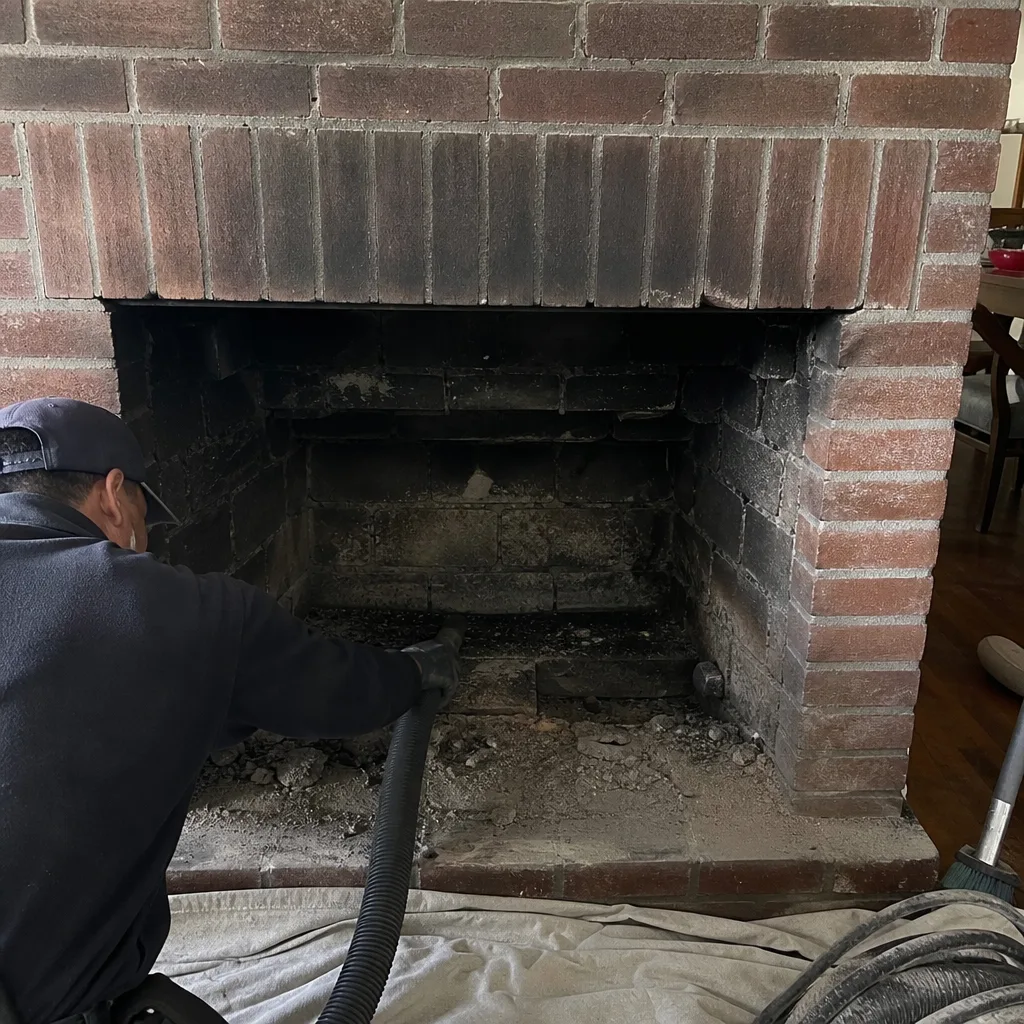 Before
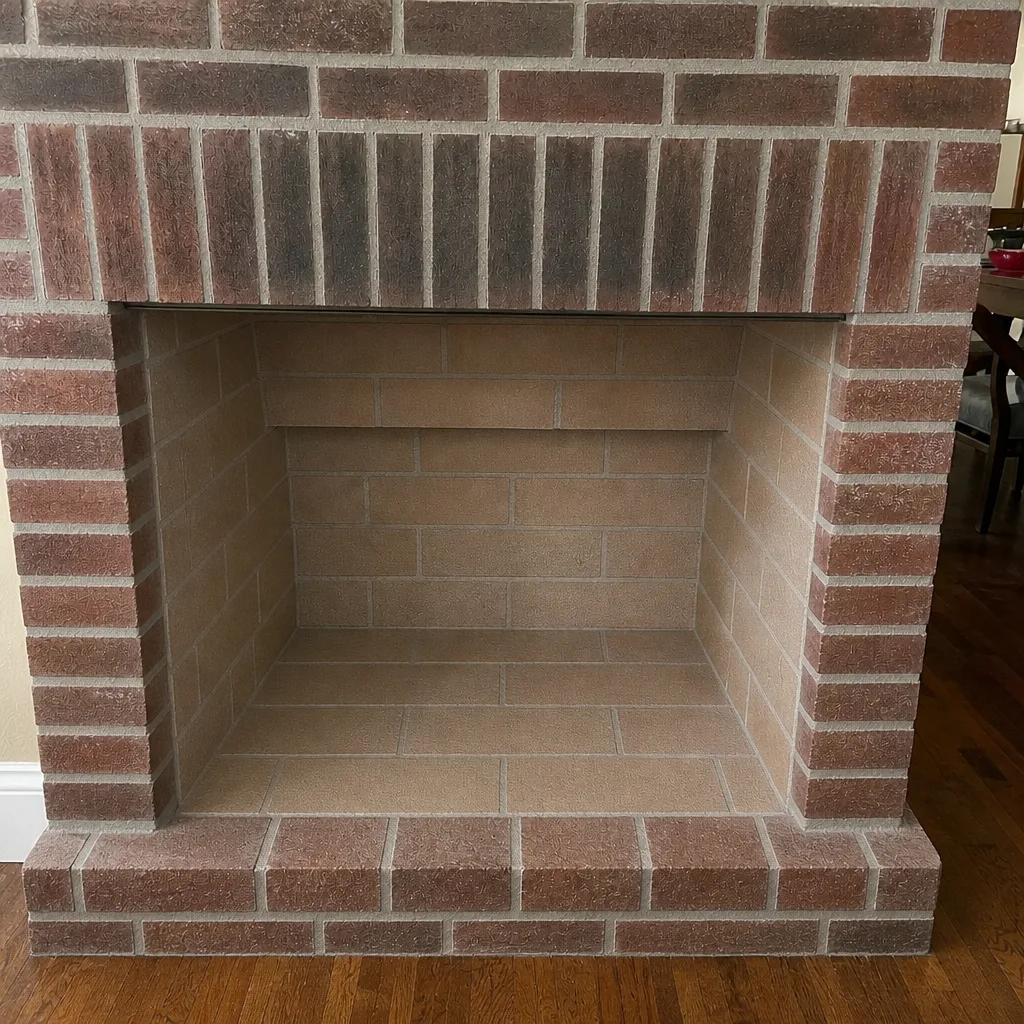 After
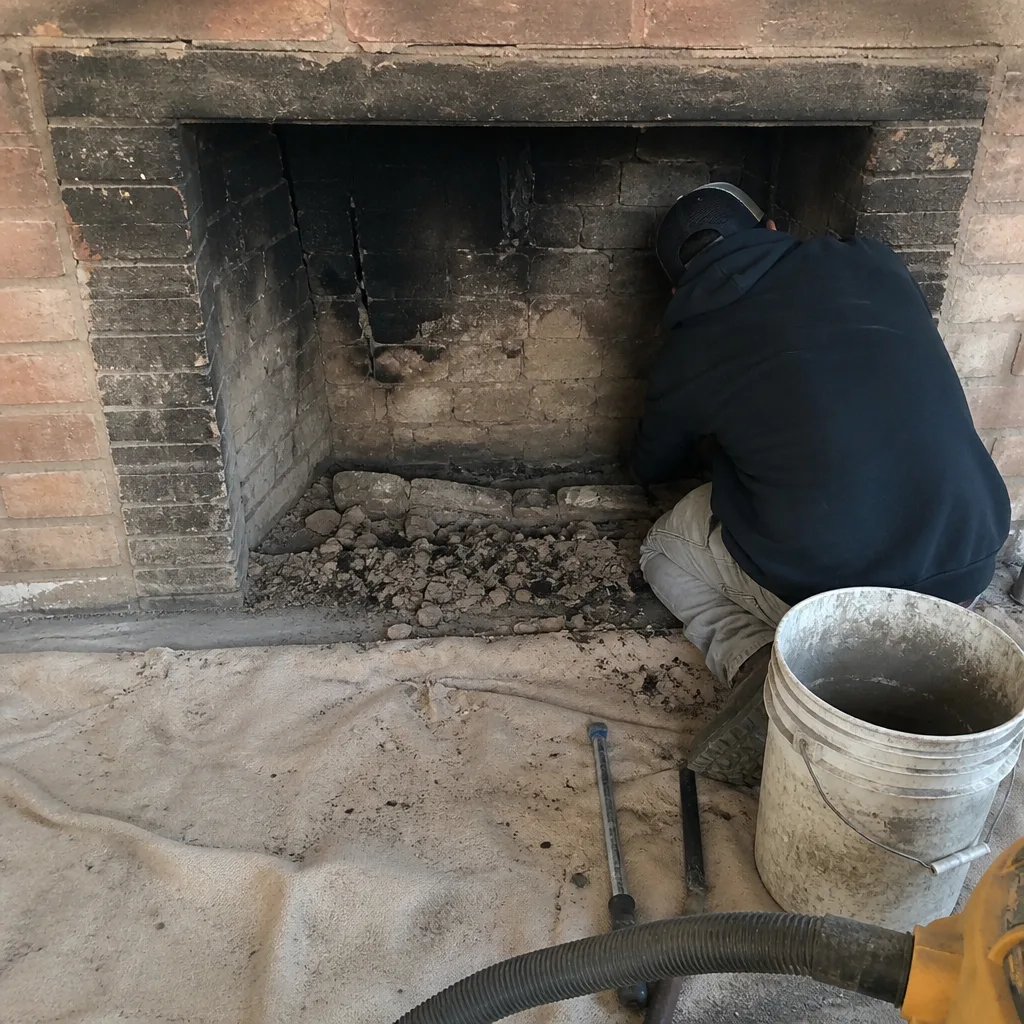 Before
 After
 Before
 After