
Last updated November 16, 2026
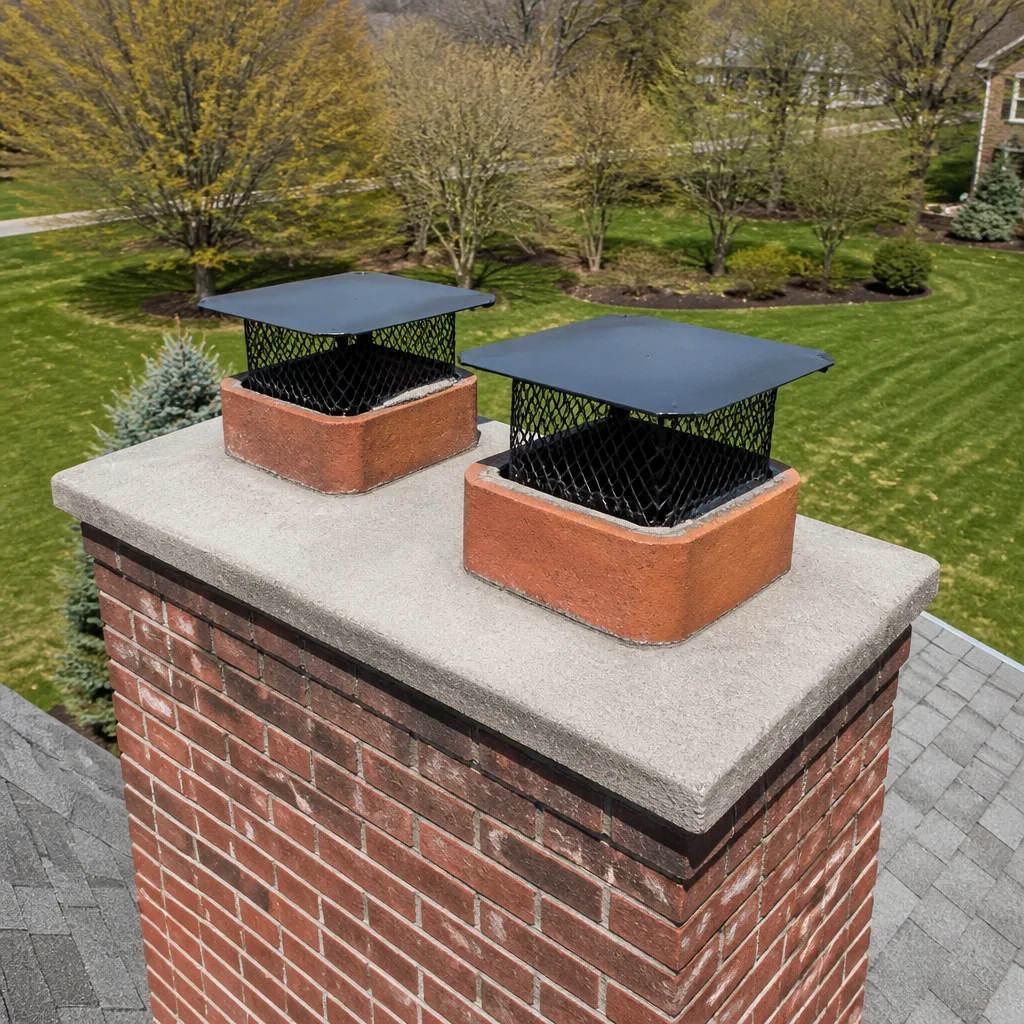 Sweep & inspection
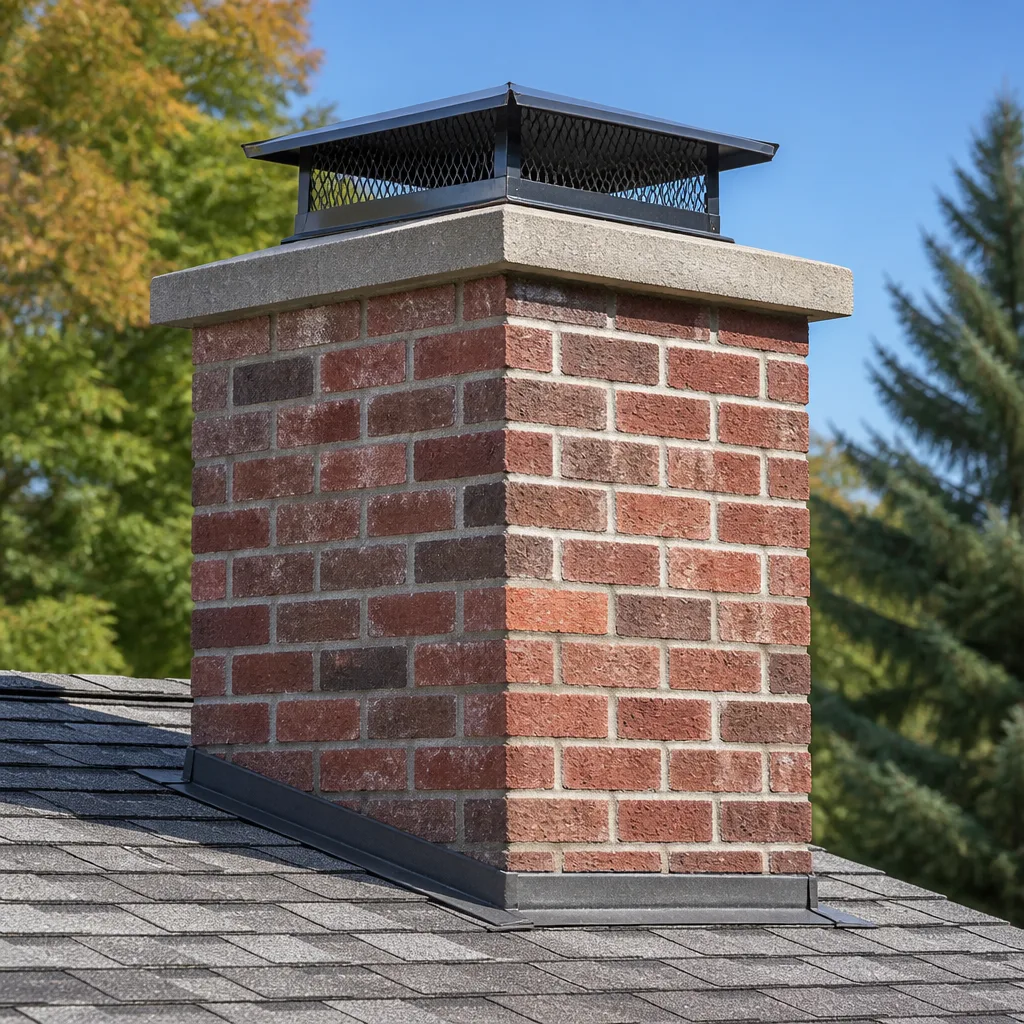 Caps & crowns
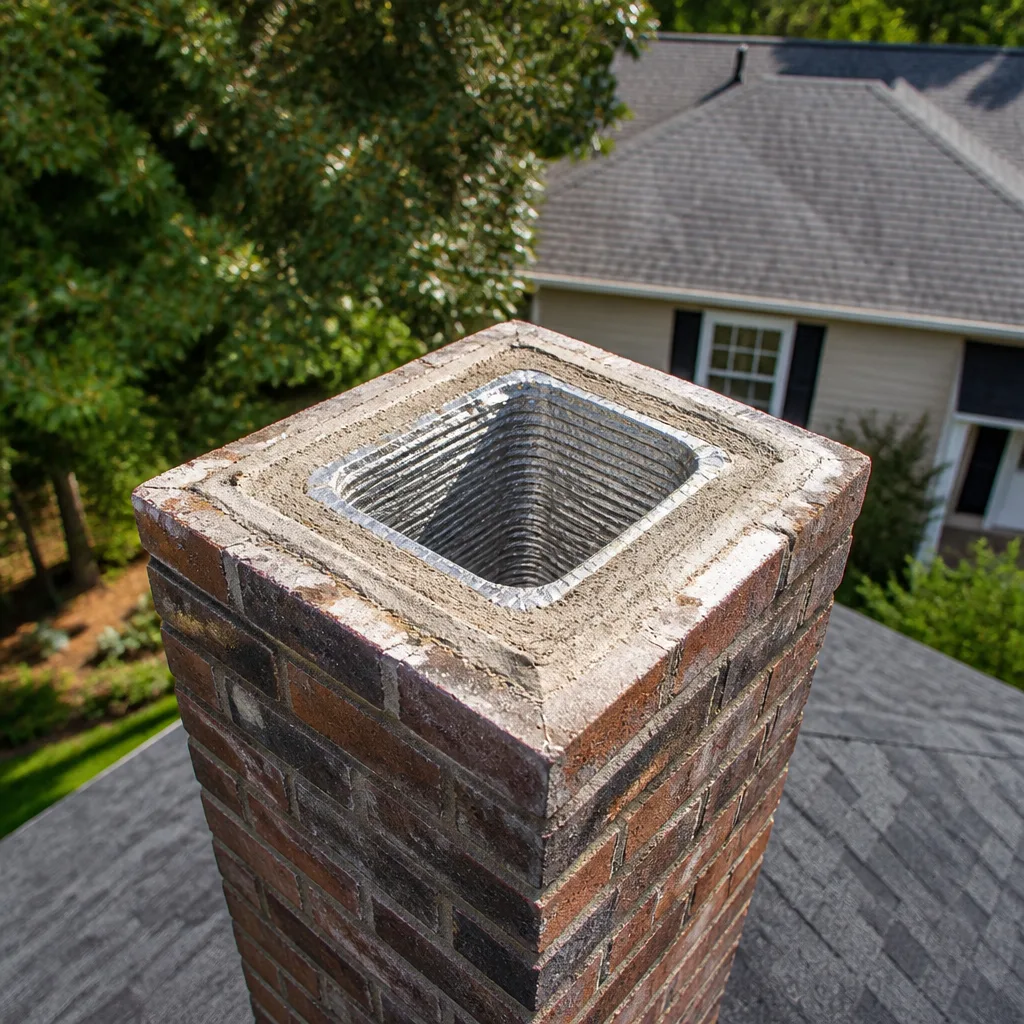 Flue relining
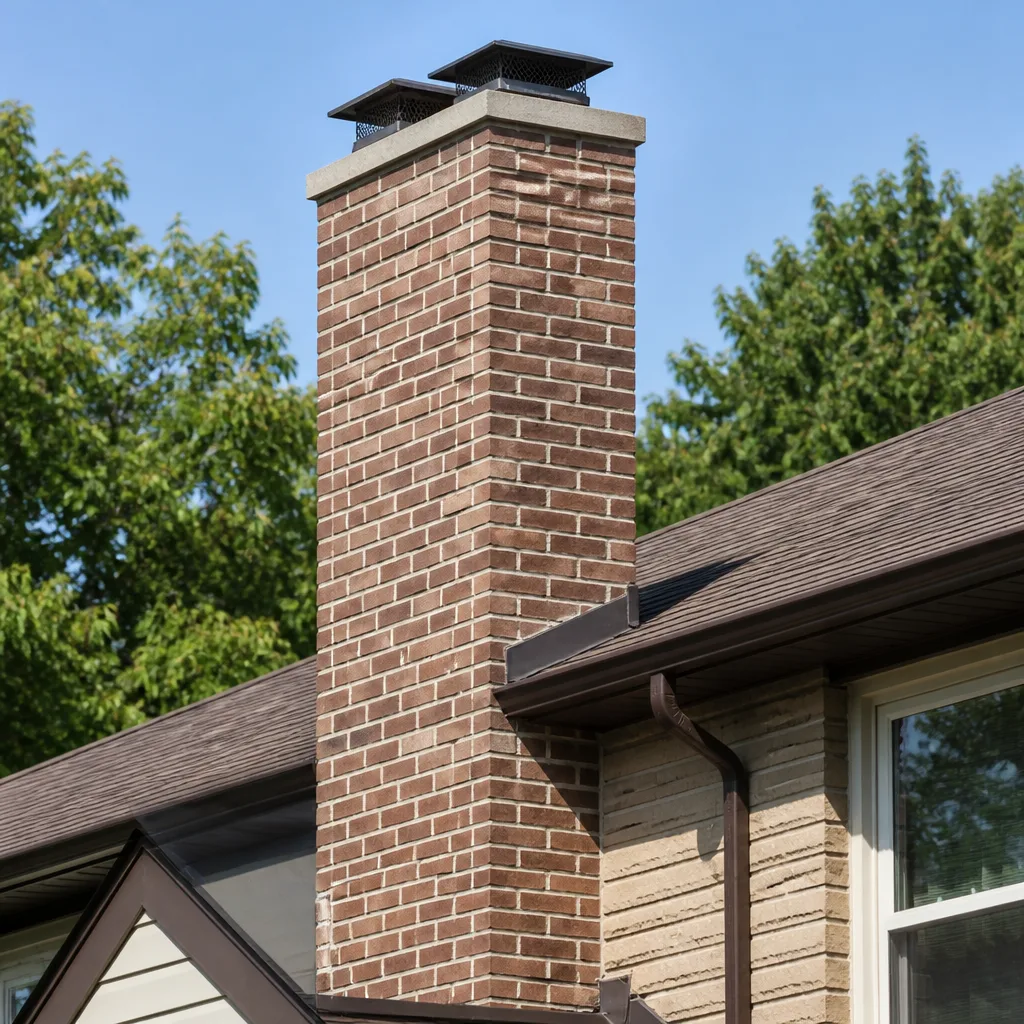 Masonry repair
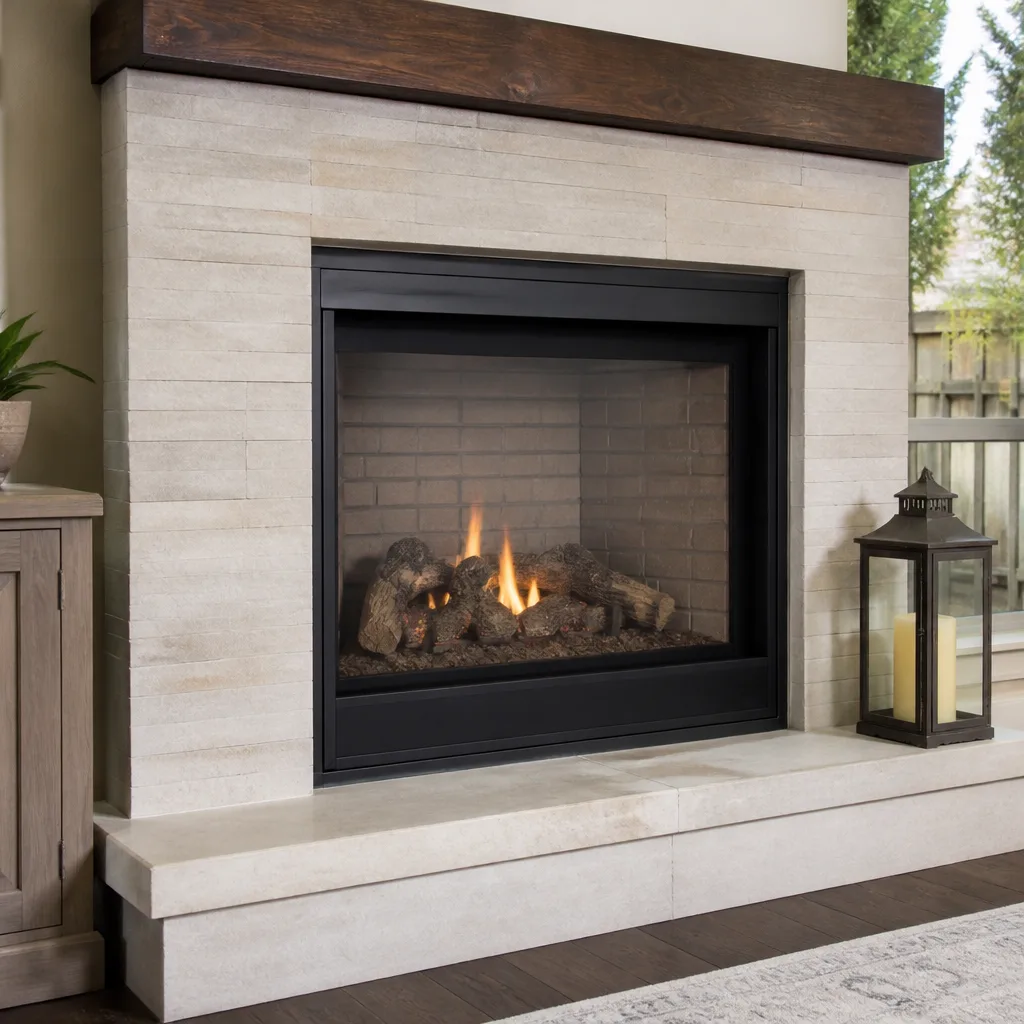 Gas fireplace service
Level 1 sweep and inspection to the NFPA 211 annual standard - flue, crown, cap, and flashing checked and photographed
Chimney sweep logs do not sweep chimneys. They loosen some creosote - which then falls where a brush and vacuum still have to collect it.
How to Hire a Chimney Cleaning Contractor in Daly City: A Step-by-Step Guide
There is no state license specifically for chimney sweeps in California, which means anyone with a Shop-Vac and a brush can legally market themselves as a chimney cleaning company in Daly City. That single gap is why vetting matters more than shopping. The cheapest quote you get this month may come from someone who never looks above the damper, and the most expensive may come from a company that found problems because it went looking for them. This guide walks you through a practical hiring framework: what credential to expect, which five questions expose an untrained sweep, how to compare written quotes line by line, and why it pays to hire someone who cleans and repairs. You’ll finish knowing how to interview a chimney contractor in Daly City before you book, not after.
Quick Answer
To hire a chimney cleaning contractor in Daly City, ask for the CSIA (Chimney Safety Institute of America) certification and verify it on the CSIA website before booking, request a written scope and a copy of the inspection report, and confirm the contractor does both sweeping and repair so findings aren’t bottlenecked through a middleman. Expect a camera-based inspection and a documented report, not just a verbal “you’re all set.” If a sweep can’t provide those basics, keep looking.
Styles & brands we work with
- Sweep & inspection
- Caps & crowns
- Flue relining
- Masonry repair
- Gas fireplace service
Table of Contents
- What CSIA certification actually means
- The five questions to ask before booking
- Red flags in low-cost chimney sweep offers
- How to read and compare written quotes
- Why hiring a contractor who cleans and repairs matters
- What happens during a chimney sweep visit
- Daly City-specific hiring considerations
- How often to schedule a chimney sweep
What CSIA Certification Actually Means
CSIA certification is the closest thing the chimney industry has to a recognized credential, and it’s the minimum bar to set before you accept any quote. CSIA stands for the Chimney Safety Institute of America, and certified sweeps complete a formal exam process covering code, venting, combustion safety and inspection standards. The certification is not a state license, but it signals that the person on your roof has been tested on the actual mechanics of what they’re cleaning and inspecting, not just trained by whoever hired them.
Here’s the part most homeowners miss: certification is something you can verify. The CSIA maintains a public directory of certified sweeps. Any contractor who claims certification should give you their name and you should be able to search it. If a company says “we’re certified” but can’t tell you which certification, or in which name, treat that as a marketing phrase rather than a credential.
What certification does not tell you
CSIA certification doesn’t guarantee a contractor is insured, doesn’t guarantee they carry the right repair materials, and doesn’t guarantee the quote you receive is honest. Think of it as a baseline – a starting filter, not a finish line. It tells you the sweep probably knows a flue from a firebox. It doesn’t tell you how they’ll behave when they find cracked mortar or a deteriorated liner mid-sweep.
What else to look for
- Insurance status. Ask for a certificate of insurance before anyone climbs onto your roof. A contractor who hesitates is one who doesn’t have coverage.
- Camera inspection capability. A digital camera inspection is standard practice now. A sweep who only uses a flashlight is working with 20-year-old methods.
- Written report. A serious sweep leaves documentation behind. If you don’t get a report, you don’t know what was found.
- Repair brand relationships. Ask what liner materials and repair systems they use. Answers like DuraFlex for flexible relining or HeatShield for ceramic resurfacing tell you they’re working with products designed for the job.
The Five Questions to Ask Before Booking
You can save yourself a bad job with five questions, asked over the phone before you book. Every one of them tests whether the contractor has thought through what happens when the sweep finds something serious. These aren’t trick questions. They’re the questions a trained sweep will answer without hesitation and an untrained one will fumble.
- “What certification do you hold, and can I verify it?” A real answer names the CSIA and expects you to check. A vague answer is an answer.
- “Do you use a camera during inspection, and do I get a copy of the report?” If the answer is “we don’t need a camera for a cleaning,” push back. Camera inspection is the ONLY way you can see the inside of your flue. No camera, no evidence.
- “What happens if you find liner damage or a blockage during the sweep?” The contractor should describe a process: they stop, show you photos, explain options, and let you decide. Not “we’ll just quote you a repair on the spot.”
- “Do you do the repair work yourself, or do you subcontract?” This is critical. A sweep who hands off repair to another company has no incentive to report honestly, and a full-company scope means one party is accountable for what’s found and what’s fixed.
- “What’s your written scope?” You want a document listing the sweep, inspection, and any expected extra work – before the visit, not after.
Ask about pricing on the same call. A reputable sweep will give a clear range and confirm the final number comes from the written estimate, not a surprise at the door. If the contractor won’t put numbers in writing before the visit, that’s your answer.
Red Flags in Low-Cost Chimney Sweep Offers
Chimney sweeping is a low-material, high-labor trade. That means a sweep’s biggest cost is the visit itself, and low-cost operators need to book a lot of visits to make the numbers work. The pressure to convert each visit into more work is real, and it shows up in predictable patterns. Here’s what to watch for.
- No written scope of work. If the pitch is “we’ll come out and see what you need,” you’ve got a blank check. A real contractor puts the sweep and inspection scope in writing before the visit.
- No inspection report. The verbal “you’re fine” is the oldest red flag in the trade. Without a written report – with camera images – you have no record of what was found, and no way to compare against a second opinion.
- Pressure to book same-day. Chimney work is not urgent for a healthy flue. A contractor who insists you commit today is telling you something about how they sell.
- Vague credentials. “Certified and insured” without naming the certification is a marketing phrase. Ask which certification and in whose name.
- Quotes with no line items. One lump-sum number with no breakdown between sweep, inspection and repair is a warning sign. You can’t compare what you can’t see.
- No repair capability. A sweep who can’t do the repair work is either going to hand you off to a contractor you never vetted, or ignore the problem.
- No mention of what happens with carbon monoxide. A trained sweep will talk about combustion safety and airflow. A brush-and-go outfit won’t bring it up.
None of these individually is fatal, but two or more together is a sign to keep looking. For a wider look at what a proper chimney sweep involves in this trade, the scope of a real visit is worth understanding before the quote conversation.
How to Read and Compare Written Quotes
A written quote should be a document you can compare, line by line, against another quote for the same job. If the two documents don’t have matching categories, one of them is not doing the same work. Here’s what always belongs in a well-built quote, and what an omission usually signals.
Line items that should always appear
- Sweep scope. What’s being cleaned – flue, firebox, smoke shelf, damper. A sweep quote that says only “chimney cleaning” tells you nothing about what gets cleaned.
- Inspection scope. Visual or camera-based, and whether a written report with photos is included.
- Repair work, itemized. Any repair identified during inspection should appear as a separate, itemized line, not folded into a bundled number. You should see the repair named and the material specified.
- Access and cleanup. How the technician protects floors, and what happens if roof access is difficult. Some pitches or roof types take more time and material to reach.
- Price basis. The estimate is a range, and the final price is set by the written estimate on the job. That’s honest – fixed quotes without inspection are guesses.
What omissions signal
If a quote leaves out the inspection report, you’re being sold a cleaning with no visibility into what’s inside the chimney. If it leaves out repair line items entirely, the sweep is either planning to sell you repairs after they’ve got a foot in the door, or they don’t do repairs at all. And if a quote bundles everything into one number without breaking out materials, ask which specific liner or resurfacing system is being called for. An answer of “certified materials” means nothing. An answer of “DuraFlex for the reline, HeatShield for the resurfacing option” means the contractor has thought about your flue.
One more comparison point: ask what the contractor will NOT do. A solid chimney company draws the line clearly – it repairs, it sweeps, it inspects, and that’s all. Specialization is a good sign, and it means the advice you’re getting isn’t filtered through a side business selling roofing or siding.
Why Hiring a Contractor Who Cleans AND Repairs Matters
A sweep with no stake in what they find has a hard time doing a thorough inspection. Not because they’re dishonest, but because there’s no institutional process behind the finding. They sweep, they see a crack, they shrug, they hand you a phone number for “a guy” they know, and you’re on your own again. When the same company does the cleaning, the inspection and the repair, the finding has somewhere to go.
We’ve seen this play out across Daly City homes. Daly City’s housing stock is a mix of mid-century single-family homes and dense postwar neighborhoods built through the 1940s, 50s and 60s. That timeline matters. Chimneys from the mid-century era were built to house codes that have since been updated, and many have clay tile liners that have developed cracks. A sweep company that also does repair will photograph the cracks, explain the two paths – HeatShield ceramic resurfacing in qualifying chimneys, or full DuraFlex liner replacement – and give you a documented recommendation you can actually evaluate.
What gets missed when the sweep has no repair capability
- Blockages and nesting. A camera inspection from a repair-capable contractor will catch bird nests, soot blockages and animal debris, and the same contractor can assess and remove them.
- Cracked tile liners. These don’t always announce themselves in smell or smoke. A camera catches them; a flashlight often doesn’t.
- Crown and mortar issues. Water infiltration at the crown is a slow, quiet problem. A trained sweep looks for it during the inspection and files it in the report.
- Firebox and damper condition. The firebox bears the heat; the damper controls the flow. Both should be documented on every visit.
- Carbon monoxide risk. A flue that vents poorly can push exhaust back into the home. A sweep-and-repair contractor is the one who can identify and correct venting problems, not just notice them.
This is the practical argument for full-service: one report, one visit, one point of accountability. If you want to know what repair work looks like under that model, the chimney repair scope covers structural and liner work in the same full-service frame.
What Happens During a Chimney Sweep Visit
Knowing what a good sweep visit looks like is part of hiring well. If you know the sequence, you’ll spot a shortcut in real time. Here’s the general flow from arrival to report, as it should go in a properly run visit.
- Set up and protect. Floor coverings go down. Access to the roof or firebox is confirmed and the work area is protected before anything is moved.
- Inspect and photograph. Before cleaning, the technician documents the firebox, damper, smoke chamber and flue with camera equipment. Photos are catalogued.
- Sweep. The flue is swept with the appropriate brush for the liner type, and soot and creosote are collected. Creosote buildup level is noted, because it drives how often the chimney needs to be swept.
- Second inspection. After sweeping, the camera confirms the flue is clean and re-checks for damage that the soot was hiding. Anything found is photographed again.
- Assessment and options. The technician walks you through the findings and gives you the honest version: which items need attention now, which can wait, and which materials apply if repair is indicated.
- Report. A written report with the photo record is provided. You keep it. It becomes the baseline for every future visit.
If any of those steps is skipped – especially the second inspection or the written report – ask why. A sweep that doesn’t document its work is a sweep you can’t compare against anything.
Daly City-Specific Hiring Considerations
Daly City’s climate is mild and temperate – cool, fog-influenced air much of the year, wet winters, and no salt-air concerns to plan around. That climate means two things for chimney owners here. First, wood-burning season runs longer and lighter than in colder parts of the state, so fires are often “weekend fires” that produce steady, low-heat creosote buildup over many months. Second, moisture from the wet season is the main external pressure on the chimney exterior. Cracks at the crown and masonry joints take on water and worsen quietly. If your chimney has visible masonry damage, schedule a repair and inspection before the next wet season rather than after.
Daly City is also a majority-renter city in some of its neighborhoods, and many older homes have been through owner changes and remodel cycles. That’s another reason to get a written inspection report on the record: it establishes a baseline for what the chimney looked like when you took possession or when you began using it. If you’re a newer homeowner in one of the city’s mid-century neighborhoods, an initial documented visit is worth the cost regardless of whether you’ve been using the fireplace.
For Daly City homeowners, the specific hiring considerations are:
- Cool-weather use pattern. Fireplaces here are often used lightly over many months. Light use still produces creosote, and a lower-volume fire can produce wetter, stickier creosote than a hot fire. Sweep schedule should reflect actual use, not a fixed annual rule.
- Wet-season moisture. Water infiltration at the crown and joints is the biggest non-fire risk to a Daly City chimney. Inspecting in late summer or early fall catches most issues before the rains.
- Housing age. Mid-century homes often retain original clay tile liners. Those liners can be intact or cracked, and only a camera inspection tells you which.
- Contractor availability and travel. Chimney work is a specialist trade; confirm the contractor actually serves Daly City before you book, and confirm there’s no trip-charge surprise in the quote.
One more point specific to the trade: many local chimney companies are one-service operations that handle cleaning only and refer repair work out. The Chimney Sweep Daly City model is different – inspection, sweep and repair under one scope – and that single-company structure removes the handoff problem you’d otherwise hit here.
How Often Should a Chimney Be Swept in Daly City?
The honest answer is “based on use and inspection findings,” not a calendar rule. A chimney used for regular wood fires accumulates creosote faster than one used occasionally, and a chimney with a gas insert has different inspection needs. For a fire used regularly through the cooler months, an annual inspection is a reasonable interval, with sweeping as findings require. For light or occasional use, a longer interval is common, but the annual inspection should still be on the schedule so no condition goes unseen for years.
If you’re unsure, schedule the inspection and let the findings set the interval. Ask the contractor directly: “Based on what you found, when should I book the next visit?” A trained sweep will give you a specific answer, not a sales pitch. And when the answer matters – liner cracks, creosote level, venting condition – a camera inspection is the difference between a guess and a documented recommendation.
Common Mistakes to Avoid
- Hiring on price alone. Two quotes that differ sharply are usually not quoting the same work. Compare line items before you compare totals.
- Accepting a verbal-only inspection. “You’re all set” without a camera report is an opinion, not a finding. Ask for the report in writing.
- Hiring a sweep who can’t do repairs. If your sweep has no repair capability, you get a diagnosis with nowhere to go. Full-service means the same team sees the whole picture.
- Skipping the pre-visit questions. The five questions in this guide take minutes on the phone and save you a bad job. Ask them before booking.
- Waiting for smoke or a smell before calling. Chimney problems are quiet. Cracks, blockages and creosote buildup don’t announce themselves.
- Not confirming local service. Chimney contractors sometimes serve a wide region. Confirm the contractor actually services Daly City before you book, not after they’ve sent a quote.
- Ignoring the written report once you have it. Keep it, compare it against the next visit, and use it as the baseline for repair decisions. The report is the value of the inspection.
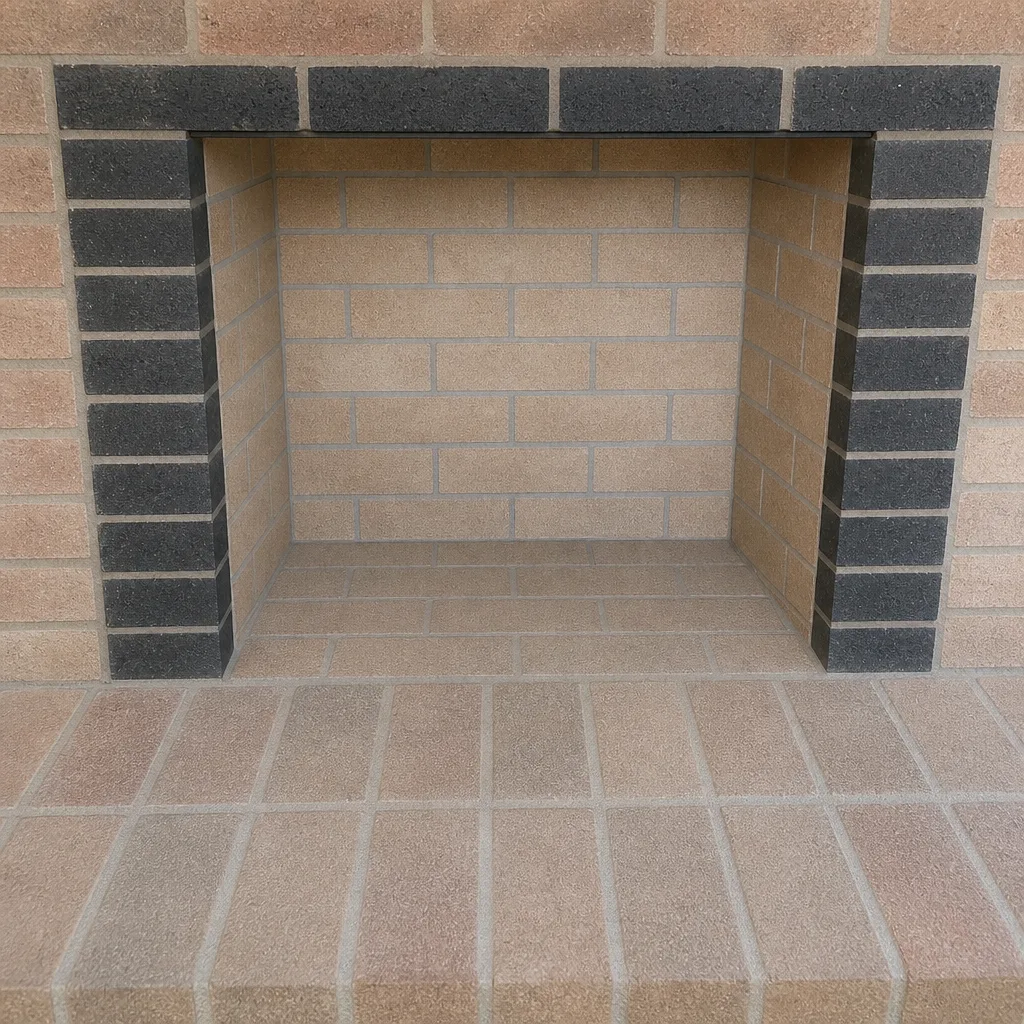
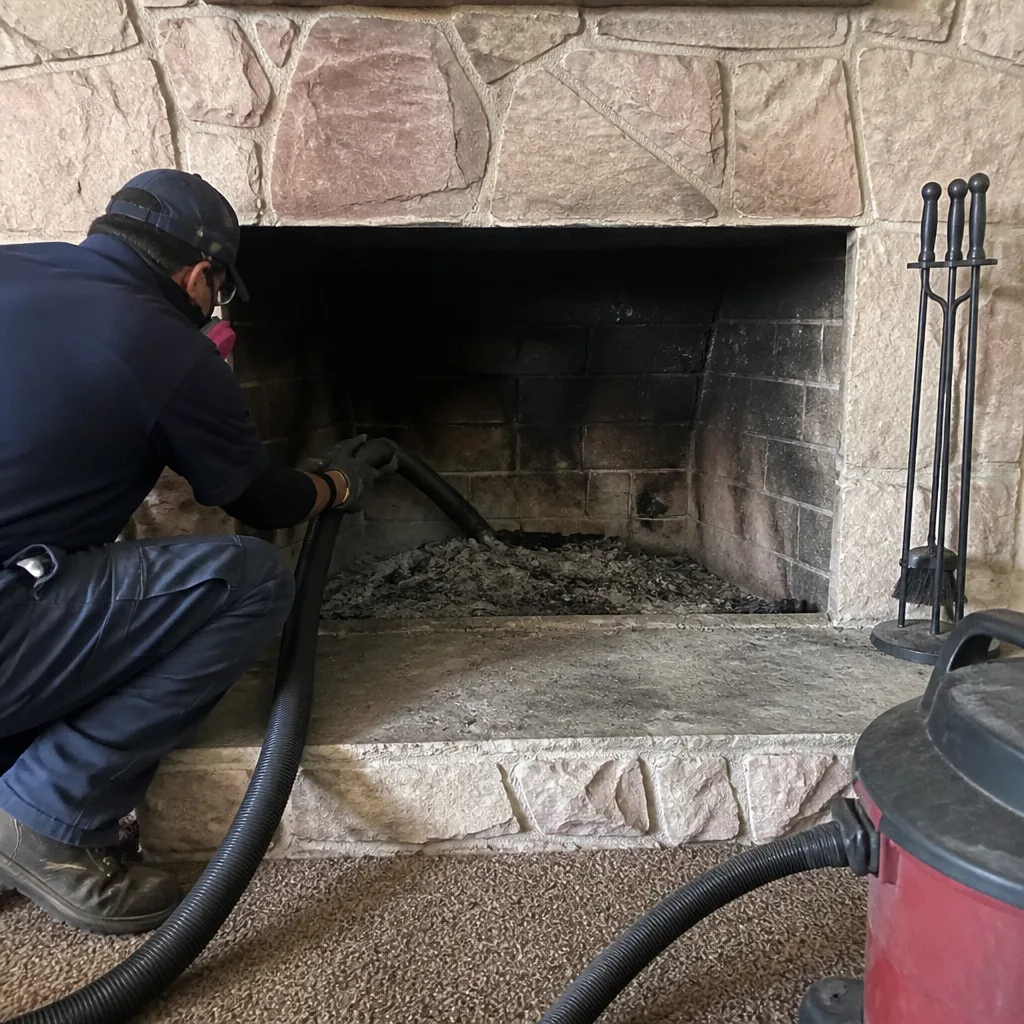
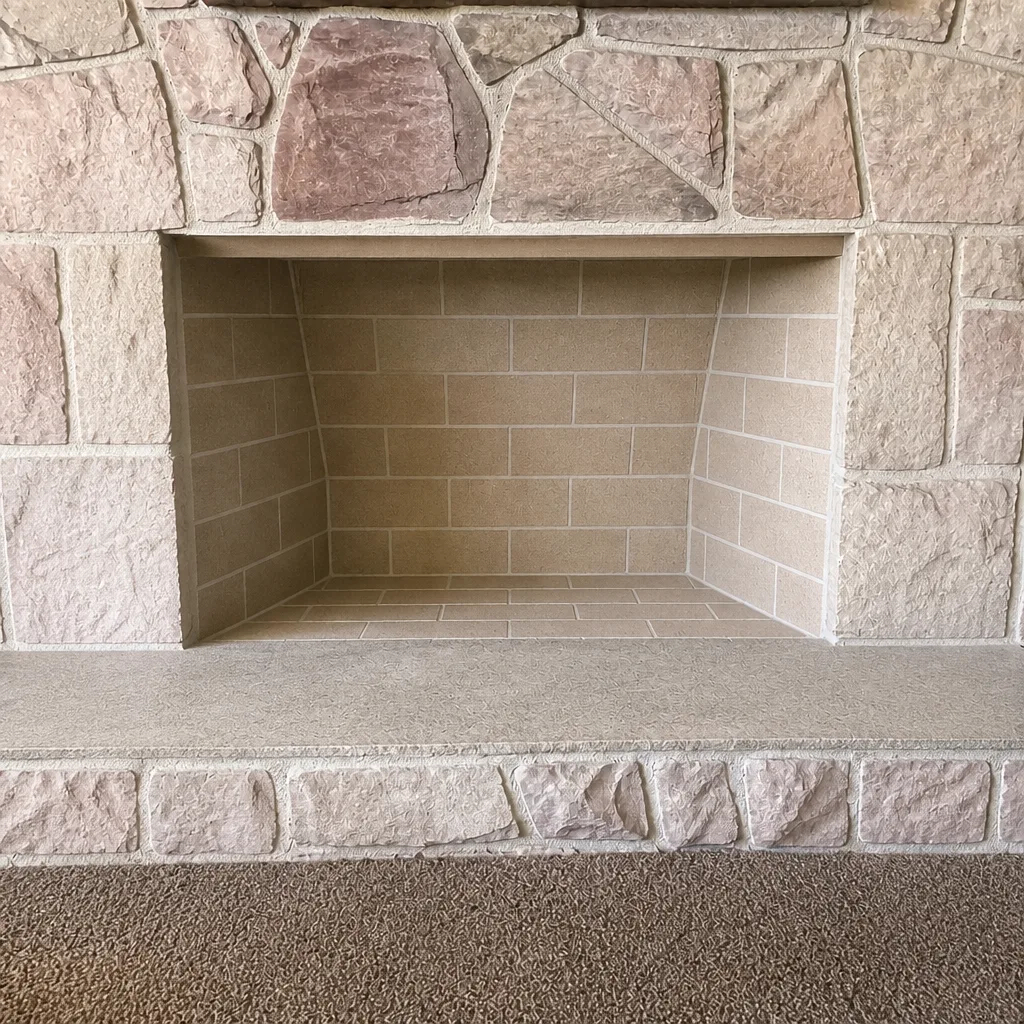
See the difference
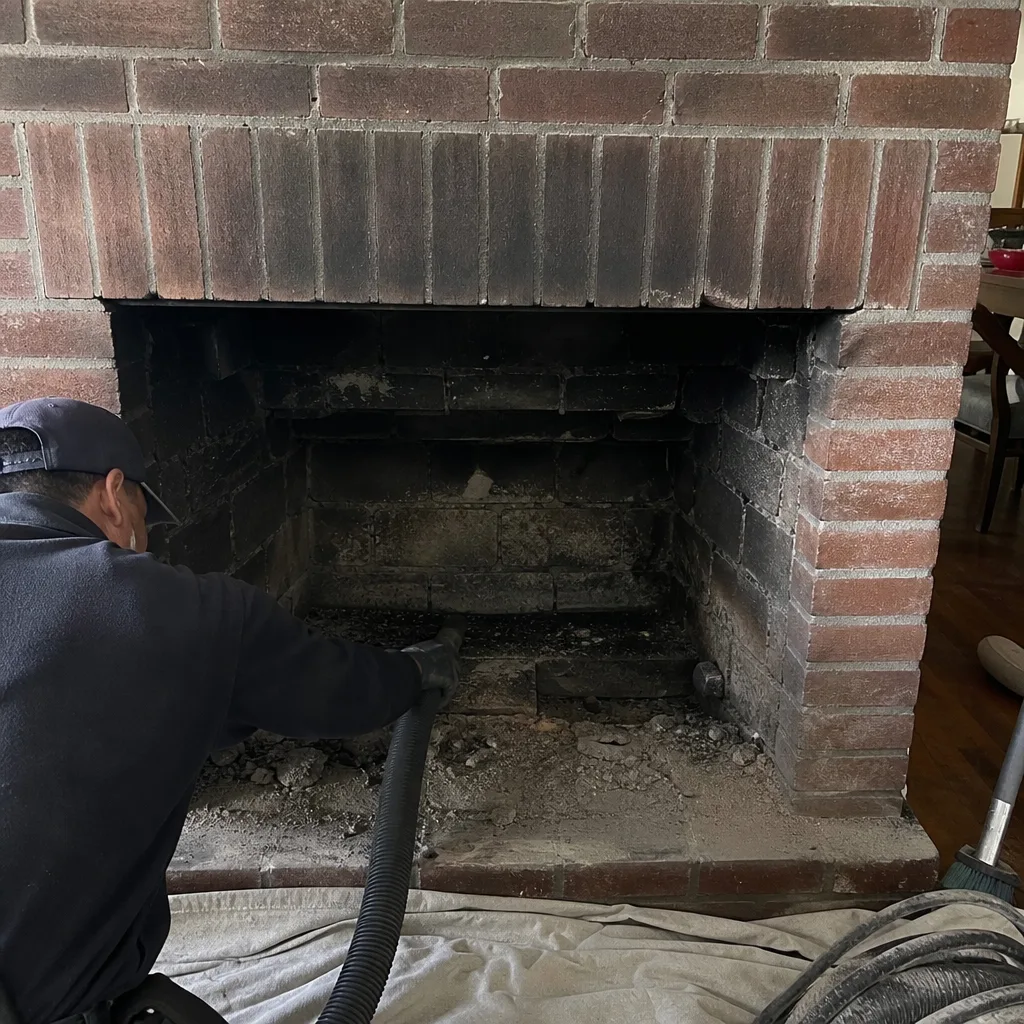 Before
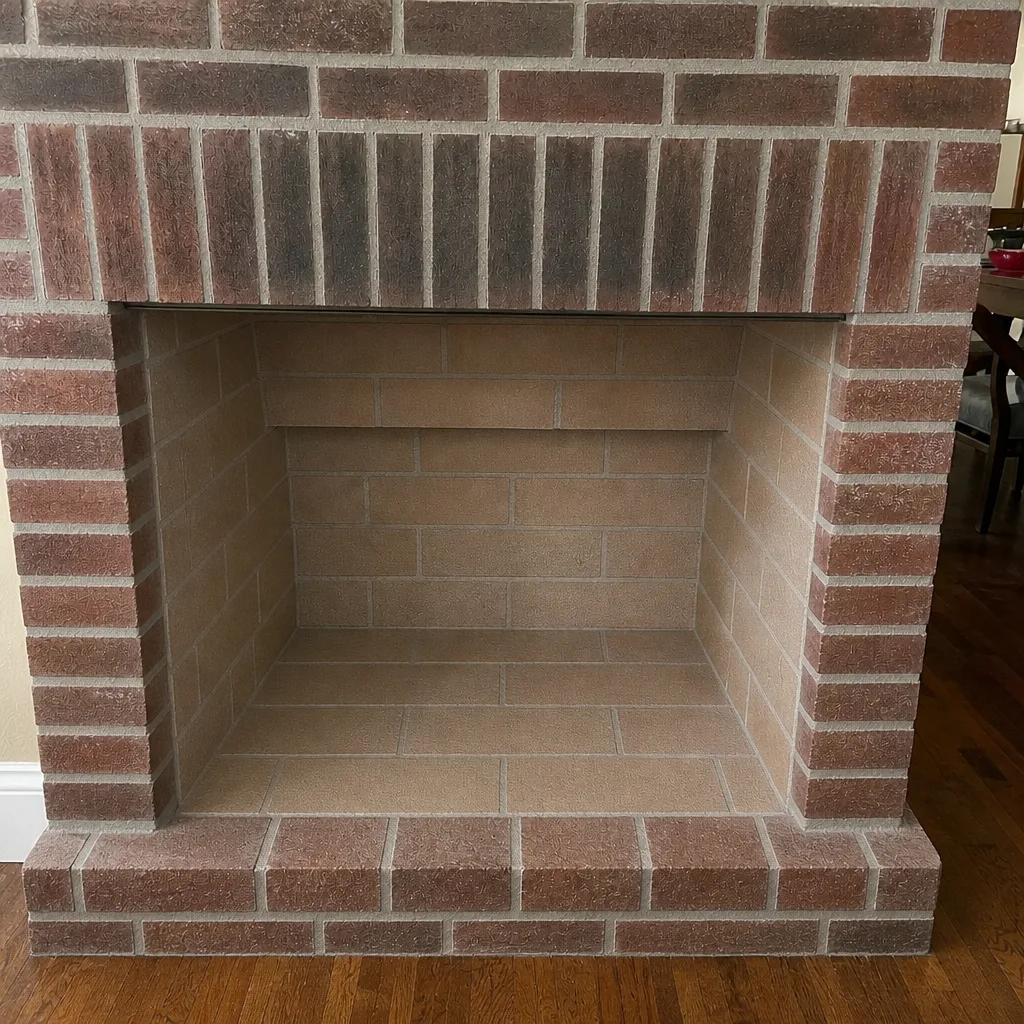 After
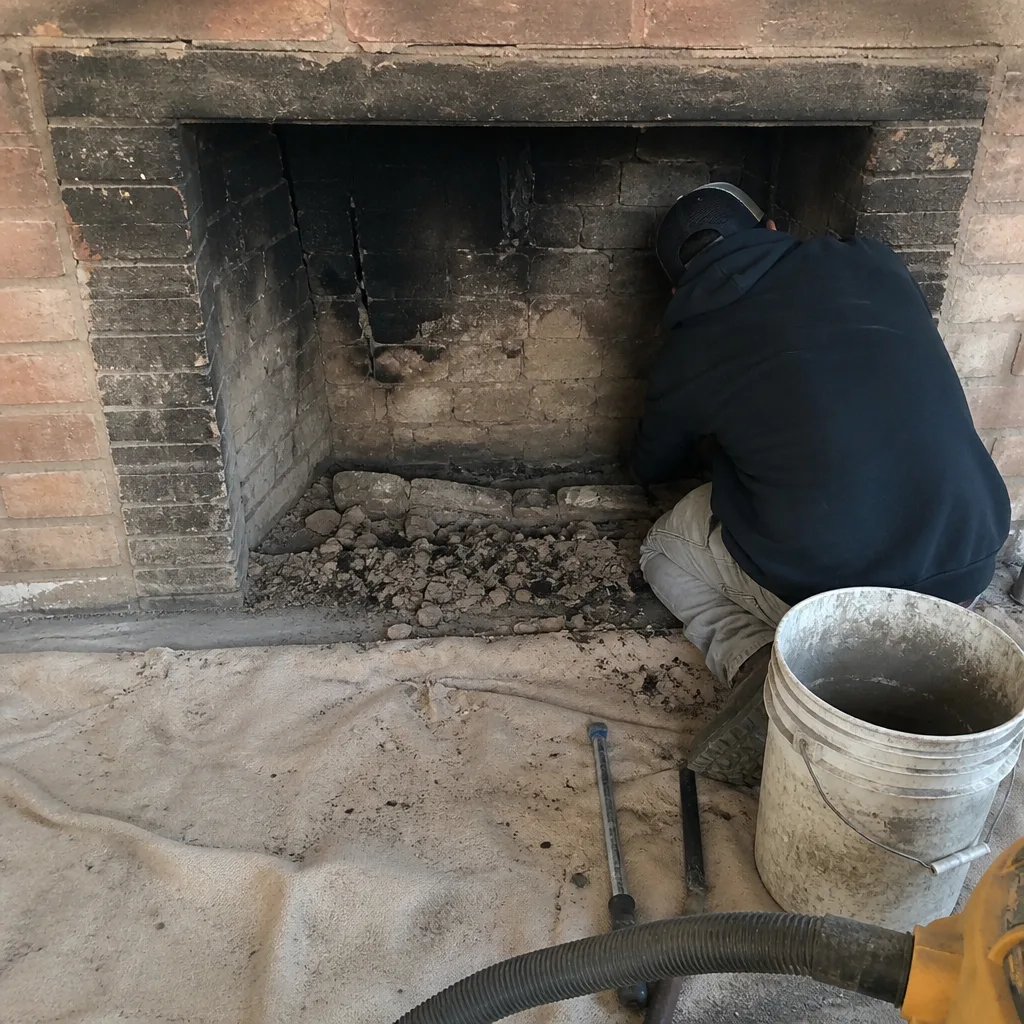 Before
 After
 Before
 After
When to Call a Professional
Most chimney conditions don’t need a same-day call, but a few do. Call a professional if you smell smoke in the room when the fire is burning, if smoke blows back into the room rather than up the flue, if there’s visible masonry damage or a loose crown, if you’ve had a chimney fire (even a small one that appeared to go out), if you see animals or nesting material in the firebox, or if a carbon monoxide alarm has sounded in the house with a wood or gas appliance in use. Also call if you’ve just moved into a Daly City home with an unknown chimney history – a documented first inspection is a smart baseline. Chimney Sweep Daly City offers free estimates in Daly City – call (866) 885-7416. We answer 24/7. Fast dispatch from 7am to 7pm, Sunday through Friday.
Frequently Asked Questions
A chimney sweep in Daly City typically falls in a range set by the flue length, access, and whether the visit includes camera inspection. Because scope varies, the number that matters is the written estimate for your specific chimney – not a headline price. Call (866) 885-7416 for an exact quote – estimates are free.
CSIA certification is the minimum credential bar to set. It’s not a state requirement, and California doesn’t license chimney sweeps, so certification is the fastest way to confirm the person on your roof has been tested on chimney mechanics and venting standards. Verify it on the CSIA directory before you book.
Yes. An unused chimney can develop blockages, nest debris, moisture damage and liner cracks without any visible sign from the firebox. If you’re planning to start using it, or you’ve just moved in, get a documented inspection before you light the first fire. Call (866) 885-7416 to schedule one.
It should include camera images or video of the flue, a written description of conditions found, itemized repair recommendations separated from routine maintenance, and a clear label on anything that can safely wait. If a report has no photo record and no itemization, ask for one – you can’t evaluate an opinion.
You can, but you’ll probably end up hiring two contractors. A sweep without repair capability can identify a problem but can’t fix it, which means a handoff to another contractor you haven’t vetted. Full-service contractors keep the inspection, cleaning and repair under one accountability.
Base the interval on actual use and inspection findings, not a fixed calendar rule. Regular wood-burning typically calls for an annual inspection with sweeping as needed; occasional use often allows a longer interval. The inspection findings should set the next appointment. Call (866) 885-7416 to book an inspection and get a specific answer for your chimney.
The Bottom Line
Hiring a chimney cleaning contractor in Daly City comes down to verification, not price comparison. Look for CSIA certification you can confirm, a camera-based inspection with a written report you keep, and a contractor who can do the sweep AND the repair so findings aren’t lost in a handoff. Ask the five pre-booking questions, read the written quote line by line, and treat omissions – no report, no itemization, no repair scope – as the red flags they are. Do that, and the interview happens before the booking, not after a bad job. It’s a small amount of homework that protects your home’s most important venting system.
If you’d like a straight answer on your chimney’s condition, we’ll show you what we find before we recommend anything – inspection, sweep and repair under one scope, working with professional-grade products like DuraFlex and HeatShield. Chimney Sweep Daly City offers free estimates in Daly City – call (866) 885-7416. We answer 24/7. Fast dispatch from 7am to 7pm, Sunday through Friday.
Written by the team at Chimney Sweep Daly City.