
Last updated November 16, 2026
 Sweep & inspection
 Caps & crowns
 Flue relining
 Masonry repair
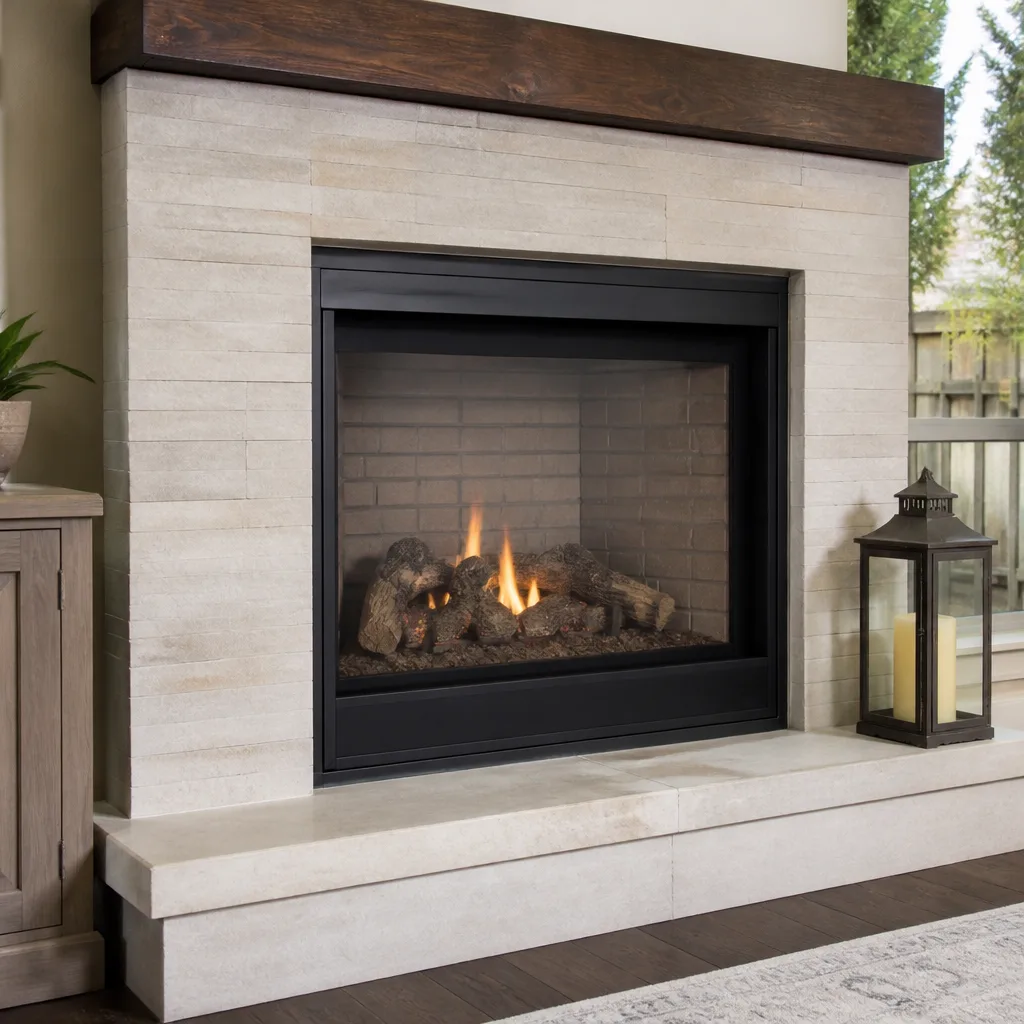 Gas fireplace service
Level 1 sweep and inspection to the NFPA 211 annual standard - flue, crown, cap, and flashing checked and photographed
Chimney sweep logs do not sweep chimneys. They loosen some creosote - which then falls where a brush and vacuum still have to collect it.
DIY vs Professional Chimney Cleaning: The Daly City Homeowner’s Decision Guide
You can buy the same chimney brush a professional sweep uses. What you can’t buy at a hardware store is the trained eye that knows whether the dark deposit you just brushed loose is first-degree creosote or glazed third-degree buildup that changes everything about what happens next. That gap – between doing the motion and understanding what you’re looking at – is where most DIY chimney cleaning stories go sideways. This guide draws an honest line: which parts of chimney care a careful homeowner can safely handle, which parts genuinely require professional tools and training, and the specific conditions that should push anyone toward hiring a pro. We’ll be specific about Daly City housing stock and what it means for your flue.
Quick Answer
A competent homeowner can safely brush a firebox, lubricate a damper, and visually check a cap from the ground. Anything involving the flue interior, creosote assessment, liner condition, or draft performance needs a professional with rotary equipment and a video camera. In Daly City, where much of the housing stock predates modern stainless liners, the risk of missing a serious defect during DIY cleaning is higher than in newer construction. When in doubt, call a professional sweep before you light the first fire of the season.
Styles & brands we work with
- Sweep & inspection
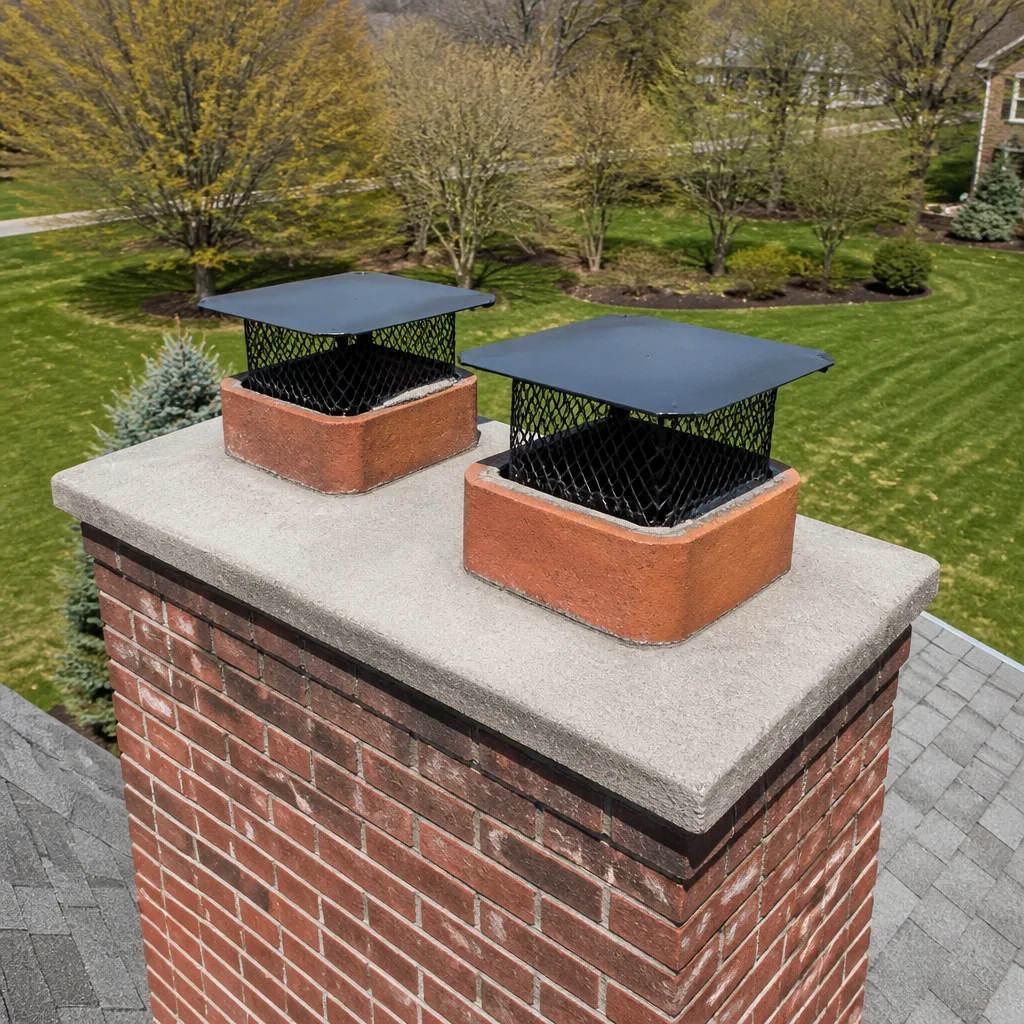
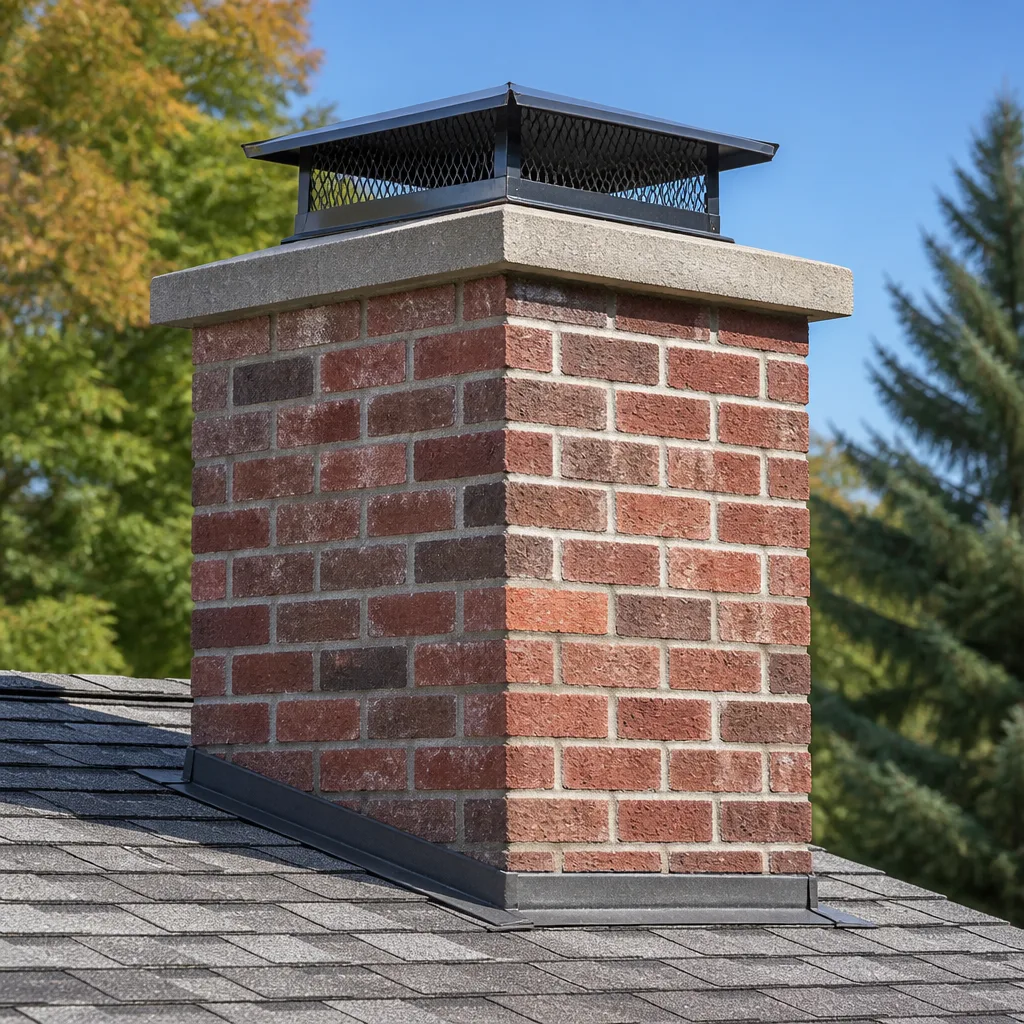
- Caps & crowns
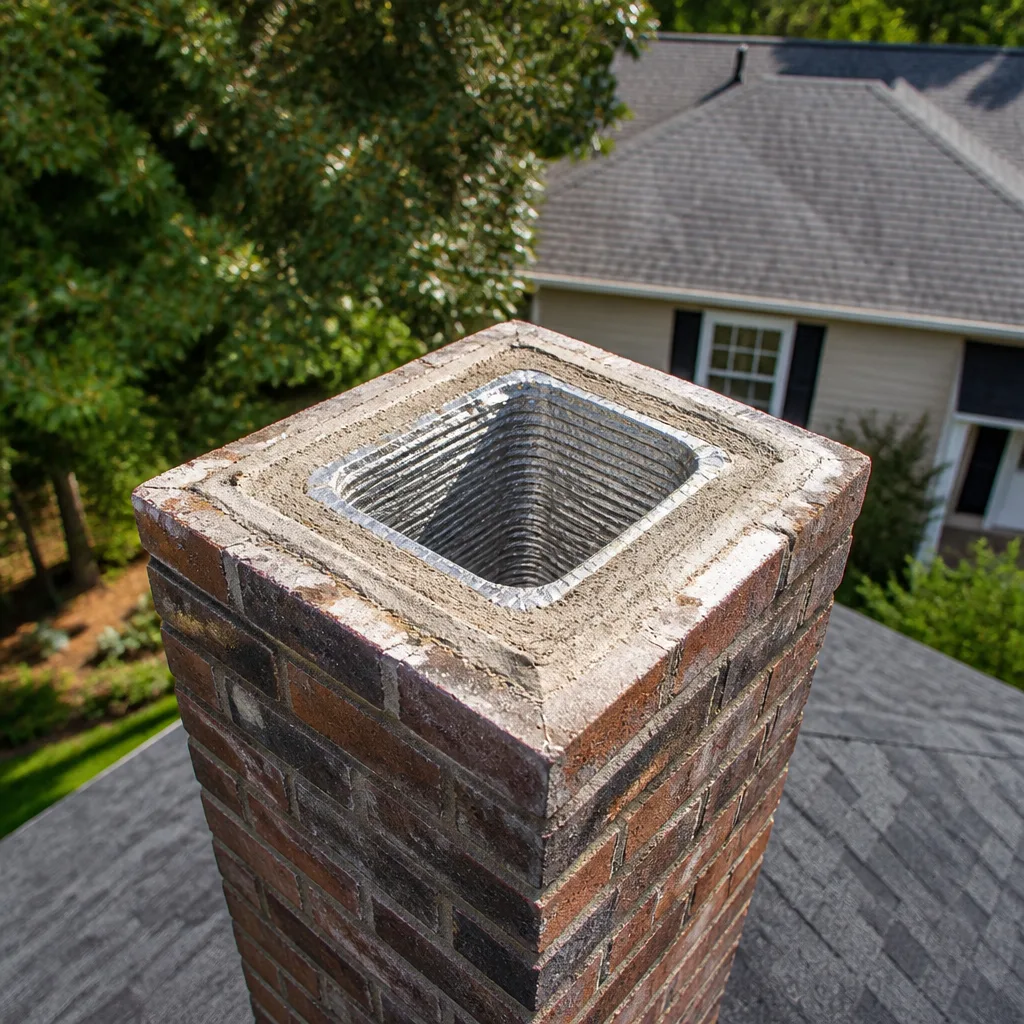
- Flue relining
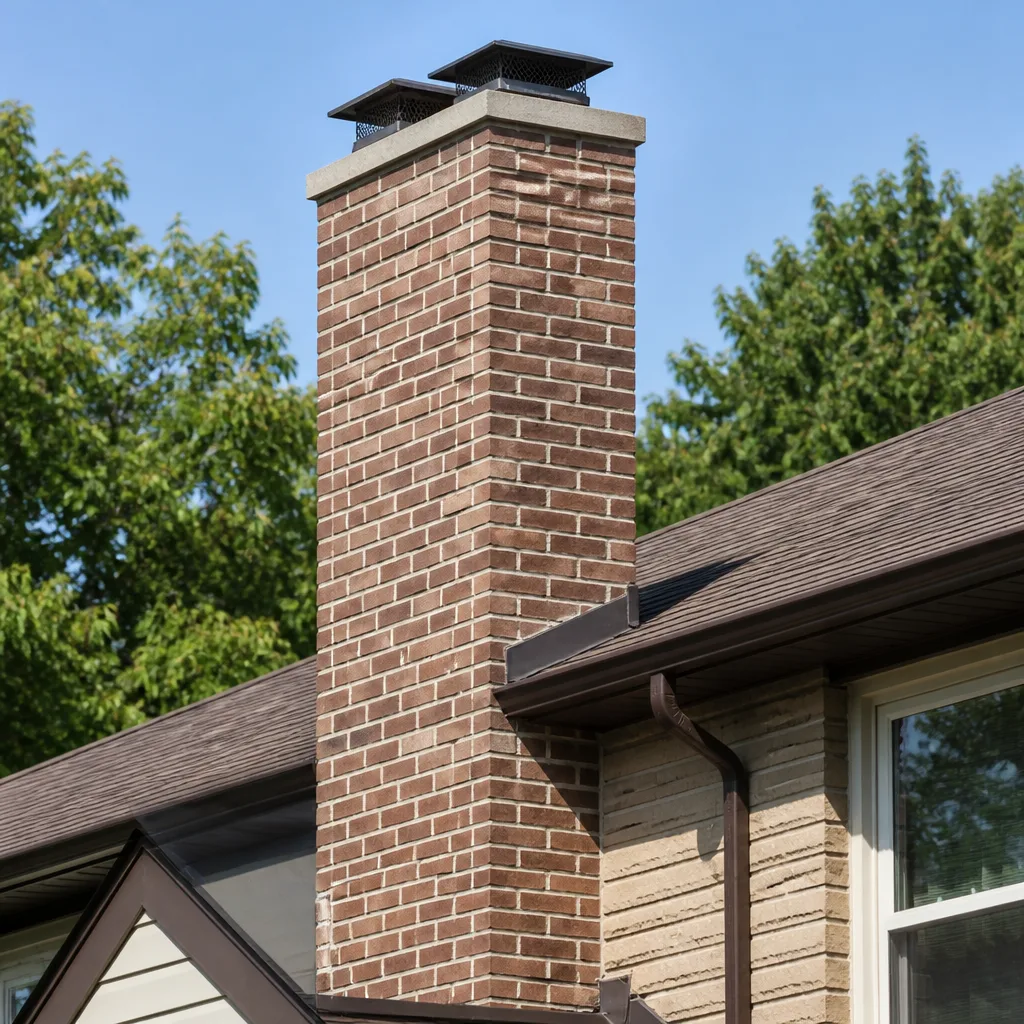
- Masonry repair
- Gas fireplace service
Table of Contents
- What DIY Chimney Cleaning Can Safely Cover
- What Genuinely Requires Professional Equipment
- The Liability Reality in California
- Why Daly City’s Older Housing Raises the Stakes
- Creosote Degrees and Why They Matter
- A Decision Framework for Your Home
- Cost Comparison: DIY vs Professional
- Common Mistakes to Avoid
What DIY Chimney Cleaning Can Safely Cover
The safe DIY zone is smaller than most homeowners assume, but it isn’t zero. There are real tasks you can do yourself without risking your safety or your chimney’s integrity. The key is knowing which ones those are and stopping cleanly at the boundary. Here’s the honest list.
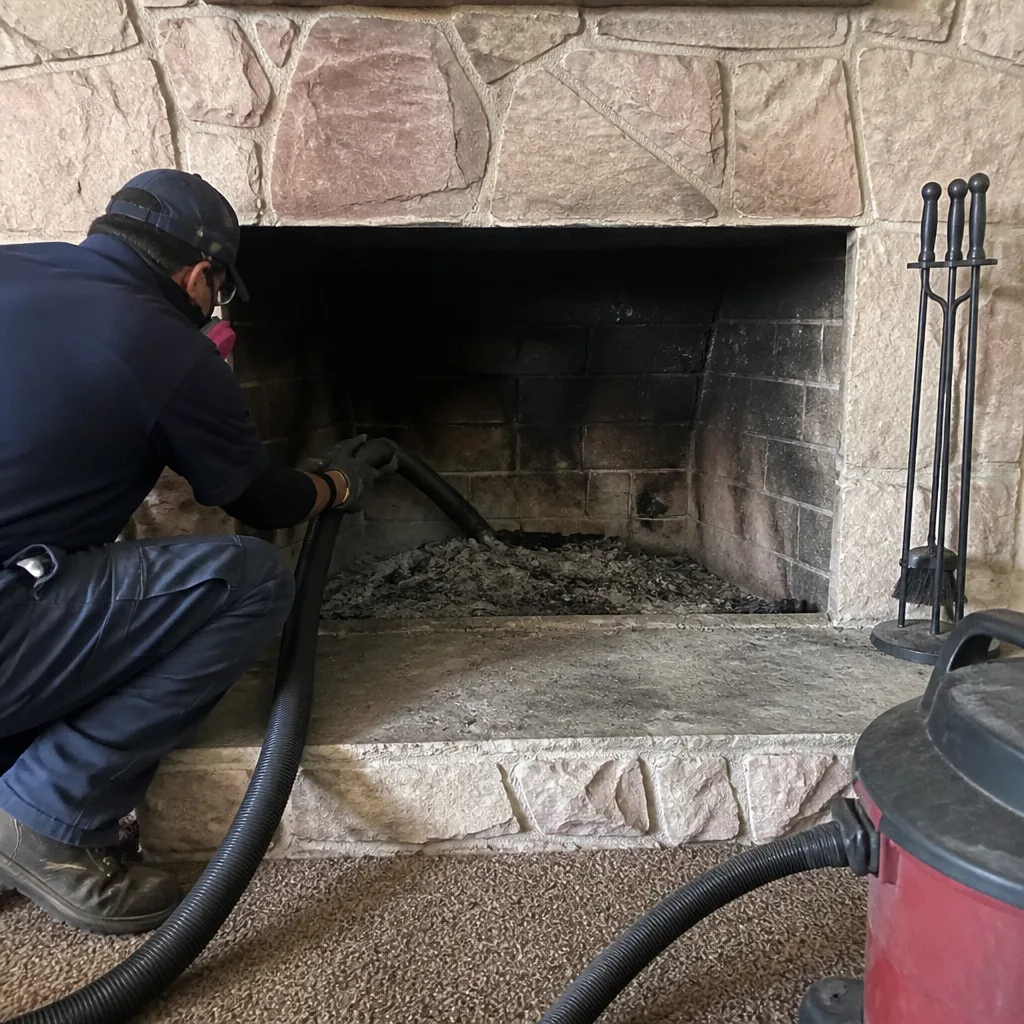
Firebox brushing tops the list. Sweeping down the firebox walls with a stiff nylon brush, clearing ash from the floor, and vacuuming the immediate area with a shop vac designed for fine ash are all well within reach. You’re not touching the flue, you’re not assessing creosote, and you’re not making decisions about the liner. You’re tidying the combustion chamber. That’s fine.
Damper lubrication is next. A squeaky or stiff damper is usually a lubrication issue, and a few drops of graphite or high-temperature lubricant on the pivot points is a reasonable homeowner task. If the damper is stuck open, stuck closed, or visibly warped, stop and call someone – that’s a mechanical problem, not a lubrication problem.
Cap visual checks from the ground round out the safe DIY set. Binoculars from the yard, checking that the cap is still seated, that no obvious debris is blocking the mesh, and that nothing looks obviously displaced after a wind event. What you can’t do from the ground is confirm the cap is properly attached at the crown, inspect the mesh from above, or see whether animals have nested inside.
- Safe to DIY: Firebox brushing and ash removal
- Safe to DIY: Damper lubrication (if the damper isn’t stuck or warped)
- Safe to DIY: Ground-level visual check of the cap and exterior
- Safe to DIY: Scheduling and record-keeping of past professional inspections
- Not safe to DIY: Anything inside the flue above the damper
- Not safe to DIY: Creosote assessment and removal
- Not safe to DIY: Liner, crown, or masonry evaluation
That’s the full DIY list, and it’s short on purpose. If your goal is a genuinely clean and safe chimney in Daly City, the firebox work gets you partway and the professional sweep does the rest. For a thorough chimney sweep, book the pros and skip the guesswork on the parts you can’t see.
What Genuinely Requires Professional Equipment
Three categories of chimney work require tools a homeowner can’t practically buy, rent, or learn to use safely. These are the hard boundaries of the DIY debate, and they aren’t arbitrary.
Rotary cleaning systems. A professional rotary sweep uses a motorized whip or chain head that spins inside the flue at controlled speed and pressure. It removes glazed creosote that a hand brush simply slides over. The equipment costs considerably more than a homeowner brush kit, and misusing it can crack a terracotta liner or score a stainless flue. Rotary work isn’t about power – it’s about knowing which head to use on which liner material at which speed.
Video inspection cameras. This is the biggest gap. A camera run down the flue shows the difference between a hairline crack and a failing joint, between light soot and glazed third-degree creosote, and between a liner that’s seated correctly and one that’s shifted. Without that view, a homeowner is cleaning blind. We always show the camera footage before recommending anything, because the footage is the evidence.
Draft pressure testing. A draft gauge measures whether your chimney is pulling air correctly. Poor draft means smoke and carbon monoxide can spill into the living space – a serious safety concern that no amount of brushing will fix. Draft problems can come from a flue that’s too short, a flue that’s too large for the appliance, an obstruction above the damper, or a pressure imbalance in the home. Only testing tells you which.
- Assess the flue with a camera before any cleaning begins
- Select the rotary head based on liner material and creosote type
- Run the rotary system at controlled speed to remove deposits without damaging the liner
- Re-run the camera after cleaning to confirm the flue is clear
- Test draft pressure with the appliance running to confirm safe operation
- Document findings with photos for the homeowner’s records
That sequence is what professional chimney work looks like from the inside. It’s also why a professional sweep costs what it costs. When we do a Chimney Sweep Daly City inspection, the camera runs first and the brush runs second – never the other way around.
The Liability Reality in California
Here’s the part most DIY guides skip: if a chimney fire happens after a self-performed cleaning, your homeowner’s insurance will ask questions. And your answers matter more than you might expect.
California homeowner policies generally require that the insured maintain the property in a reasonable state of repair. Chimney maintenance falls under that umbrella. If a fire occurs and the investigation shows the flue was not professionally inspected within a reasonable timeframe, or that known deterioration was present and not addressed, the insurer has grounds to dispute the claim. This isn’t about catching you out – it’s about their process. A claim adjuster will ask when the chimney was last professionally serviced, who did the work, and what records exist.
DIY cleaning doesn’t automatically void a policy. But it does shift the burden of proof onto you. If you can show a documented professional inspection within the last year, and you brushed your own firebox in between, you’re in a much stronger position than a homeowner with no records at all. Insurance companies don’t penalize homeowners for doing small maintenance tasks – they penalize unexplained gaps in documentation.
This is why we think of chimney work as having two distinct records. The first is what you do yourself, logged with dates and what you did. The second is the professional inspection report, with camera footage and findings. The combination is what a claims adjuster wants to see. Without the professional side, the DIY side doesn’t carry much weight.
- What insurers typically want: A professional inspection report within the last year
- What strengthens a DIY record: Dated logs of firebox cleaning, damper lubrication, and any visible issues noted
- What weakens a claim: No professional records, no cleaning log, visible deterioration that was never addressed
- What to do if you’re unsure: Get a professional inspection before the first fire of the season and keep the report
The risk isn’t the DIY work itself. It’s the missing professional baseline. A trained professional chimney repair and inspection visit gives you the record that makes everything else defensible. Call (866) 885-7416 to schedule one before you need it.
Why Daly City’s Older Housing Raises the Stakes
Daly City’s housing stock includes a substantial number of homes built in the mid-20th century, and many of those chimneys were built with terracotta liners or, in some cases, no liner at all. That matters enormously for the DIY debate, because older liner systems have more failure modes than modern stainless steel.
A modern stainless liner is a single continuous tube. If it’s installed correctly and hasn’t been damaged, there’s not much that can go wrong that you can’t see from a camera run. A terracotta liner is different. It’s built from individual clay tiles stacked with mortar joints. Those joints are the weak point. Over time, they can crack, crumble, or separate. When that happens, the flue gases have an escape path into the surrounding masonry or wall cavity, which is a genuine fire hazard. A hand brush won’t tell you whether a joint is failing. The camera will.
Unlined flues raise the stakes further. A chimney without any liner sends flue gases directly against the interior masonry. That’s a code problem in most modern installations and a significant safety concern in older ones. Cleaning an unlined flue without assessing it first is like washing a car without checking whether the brakes work – you’re focused on the wrong thing.
The typical Daly City winter is mild and wet, which affects how chimneys are used here. Fires burn less continuously than in colder regions, which means more short hot burns and more idle periods. Short burns tend to produce more creosote than long sustained fires, because incomplete combustion leaves more unburned material to condense on the flue walls. That’s not a reason to panic – it’s a reason to inspect on a regular schedule.
If your home is in Daly City and was built before the 1980s, and you don’t have a record of a professional inspection in the last couple of years, we’d push you toward professional service before your first DIY cleaning. For that matter, get the inspection whether or not you plan to do any cleaning yourself. A Daly City chimney inspection costs less than the surprises it prevents.
Creosote Degrees and Why They Matter
Creosote is the single most important thing to understand in the DIY debate, and it’s the thing most homeowners know least about. The deposit on your flue wall isn’t one substance – it’s a continuum, and each stage calls for a different response.
First-degree creosote looks like soot or light flaky ash. It has a visible texture and comes off with a hand brush. This is the stage most homeowner cleaning attempts can address. It’s also the least dangerous stage, which is exactly why DIU-savvy homeowners tend to notice it and think “I can handle this.” They’re right about first-degree creosote and wrong about the rest.
Second-degree creosote is a harder, denser crust. It’s darker and more brittle, and a hand brush skips over the surface rather than removing it. You need a rotary system to break it up. This is the first real line where DIY cleaning stops working – you can’t tell second-degree from first-degree by looking up the flue from the damper, and you can’t remove second-degree with a brush.
Third-degree creosote is glazed and shiny. It looks almost like a varnished surface on the flue walls. It’s the most combustible form of creosote and the most dangerous. Third-degree creosote can ignite and cause a chimney fire, and it’s nearly impossible to remove without specialized equipment. A homeowner’s brush will glaze right over it.
Here’s the crucial point: you cannot reliably tell first-degree from third-degree creosote by looking up the flue from the firebox. The difference isn’t just darkness. It’s texture, thickness, surface gloss, and how firmly it’s bonded to the liner. A camera run shows it. Eyes at the bottom of the flue don’t.
- First-degree: Light, flaky, sooty. Brush-removable.
- Second-degree: Hard, crusty, dark. Requires rotary removal.
- Third-degree: Glazed, shiny, dense. Can ignite. Requires specialized removal.
- What you can see from below: Rorschach patterns and better guesses.
- What a camera shows: Which stage you actually have.
When we recommend anything after a sweep, we run a camera and show the homeowner what we see. That’s not a sales tactic – it’s the only way to distinguish a first-degree deposit you could have handled yourself from third-degree glazing that’s one hot burn away from a chimney fire. If the camera shows first-degree creosote only, we say so. If it shows glazing, we say that too.
A Decision Framework for Your Home
Enough theory. Here’s how to actually decide, based on your specific situation. Use this checklist before you schedule a DIY cleaning.
Push toward professional help if any of these are true:
- Your home was built before the late 1980s and you don’t have a record of a professional inspection within the last year. Older Daly City housing stock means terracotta or unlined flues, and those need eyes that know what they’re looking at.
- You’ve never had a professional inspection. You can’t DIY-evaluate a baseline you don’t have. Get the baseline first, then decide what’s safe to handle between visits.
- You’ve noticed smoke spilling into the room when you start a fire. That’s a draft problem, not a cleaning problem, and it needs pressure testing.
- You’ve seen obvious cracks, crumbling, or stains on the exterior masonry. Those are signs of interior deterioration that a brush won’t fix and a camera should evaluate.
- You’ve had a chimney fire at any point, even a small one you think you put out quickly. A fire can crack a liner without visible signs from the fireplace side.
- You’re using a wood-burning insert or a solid-fuel appliance rather than a simple open fireplace. Inserts run at higher temperatures and different burn profiles and generally need professional attention more often.
- You can’t remember the last time anyone looked at the chimney. That’s a red flag on its own.
Green light for DIY firebox work only if all of these are true:
- You’ve had a professional inspection within the last year
- The inspection report was clean or noted only minor first-degree creosote
- The flue has a modern stainless liner, or a terracotta liner confirmed intact
- Nothing on the camera findings suggested monitoring or repair
- You’re only planning to brush the firebox, lubricate the damper, and visually check the cap
Notice how heavily the green light depends on a recent professional inspection. That’s the pattern we see over and over. The homeowner who can safely do a bit of DIY is the homeowner who already knows the state of the flue. The homeowner who’s guessing is the one who should call. The cost of the inspection is small compared to the cost of missing something.
Cost Comparison: DIY vs Professional
Cost is one of the strongest arguments for DIY, and it deserves an honest look. The comparison is more nuanced than “brush costs twenty dollars, sweep costs a couple hundred.” Here’s the real picture.
DIY cleaning costs include the rod and brush kit, a shop vac rated for fine ash, drop cloths, gloves, eye protection, and a respirator. That’s a modest upfront investment, and the equipment is reusable. The hidden costs are the ones that don’t show up on a receipt: time spent learning what you’re doing, the risk of missing a serious defect, and the lack of a documented inspection record.
Professional chimney cleaning includes the sweep itself, camera inspection, draft testing, and a written report you can keep on file. The price is set per job by the written estimate, so there’s no surprise at the end. When we do chimney work for a Daly City homeowner, the estimate comes first and the price is flat once work is agreed. If the camera turns up something you didn’t know about, you’ll see the footage before any recommendation.
Here’s the calculation that matters: if a DIY cleaning runs you a bit less upfront but misses a cracked terracotta joint, you’re not saving money – you’re deferring a much larger repair. Liner replacement typically dwarfs the cost of an annual sweep. So does the smoke damage from a chimney fire. The value case for professional service is strongest when you think of it as prevention, not as a service you’re buying.
| Task | DIY Reality | Professional Reality |
|---|---|---|
| Firebox brushing | Reasonable; basic tools | Included in sweep |
| Flue interior cleaning | Hand brush only; misses glazed creosote | Rotary system, all creosote stages |
| Creosote assessment | Guesswork from below the damper | Camera-confirmed, photo-documented |
| Liner condition | Not possible | Camera run and written findings |
| Draft testing | Not practical | Measured with a gauge |
| Documentation | Home log you maintain | Written report on file |
The DIY case is honest about firebox work and honest about every other line. If you want the full picture, including the flue condition and a written record, that’s the professional column. Call (866) 885-7416 for a free estimate on a Daly City sweep. We answer 24/7.
Common Mistakes to Avoid
The mistakes below are the ones we hear about most often from Bailey City homeowners who tried DIY first. Each comes with two sentences: what goes wrong and what to do instead.
- Brushing a flue you’ve never seen inside. If a terracotta joint is cracked, a stiff brush can widen the gap and push debris into the wall cavity. Get a camera inspection before you run a brush down a flue of unknown condition.
- Assuming dark means dirty. Glazed third-degree creosote looks dark and shiny; some light soot looks dark and flat. It’s not the darkness that matters, it’s the texture, and you can only see texture with a camera.
- Cleaning a cold flue that’s been sitting all summer. A flue that hasn’t been used since last winter may have animal nests, debris, or a shifted cap. A visual check from the ground before the first cleaning is worth the effort.
- Using the wrong brush on a stainless liner. Wire brushes can score stainless flues; some liners require nylon or poly. Check the liner spec before choosing a brush, and when in doubt, use a professional sweep.
- Skipping the record. DIY cleaning with no date log is invisible to an insurance adjuster. Log every cleaning with the date, what you did, and any visible issues.
- Confusing “no visible problem” with “no problem.” Most serious liner defects aren’t visible from the firebox. The camera is the only check that counts.
- Ignoring a draft problem you notice but can’t fix. Smoke spilling into the room when you start a fire is a warning sign that a cleaning can’t solve. A draft pressure test at the chimney repair stage is what identifies the cause.
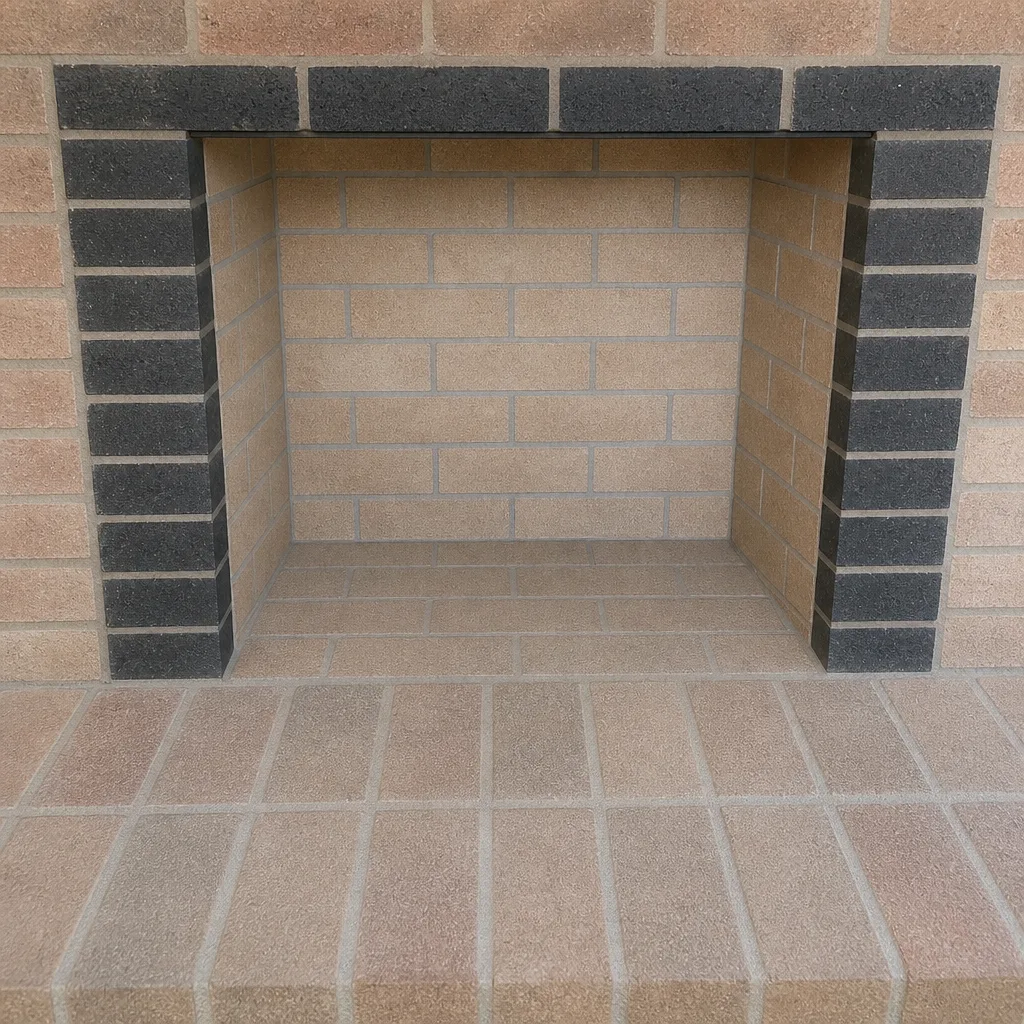
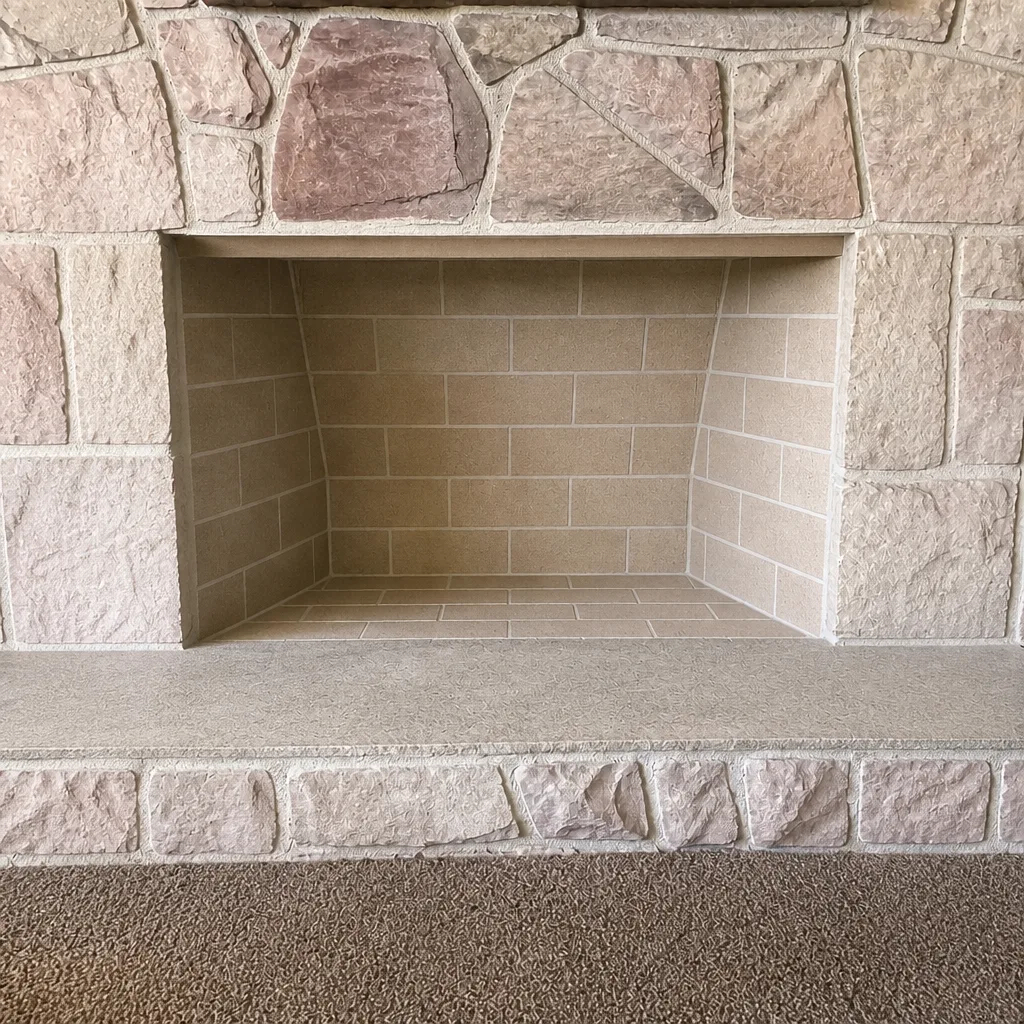
See the difference
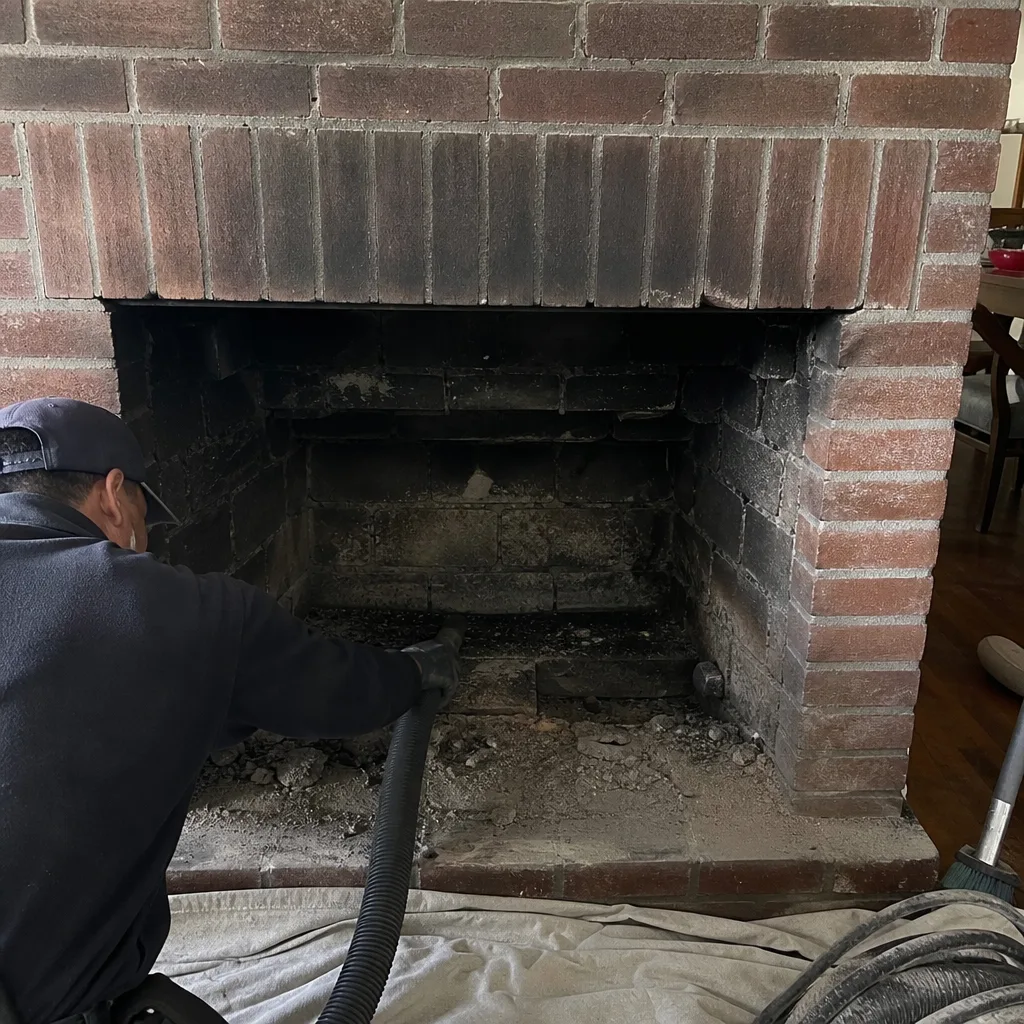 Before
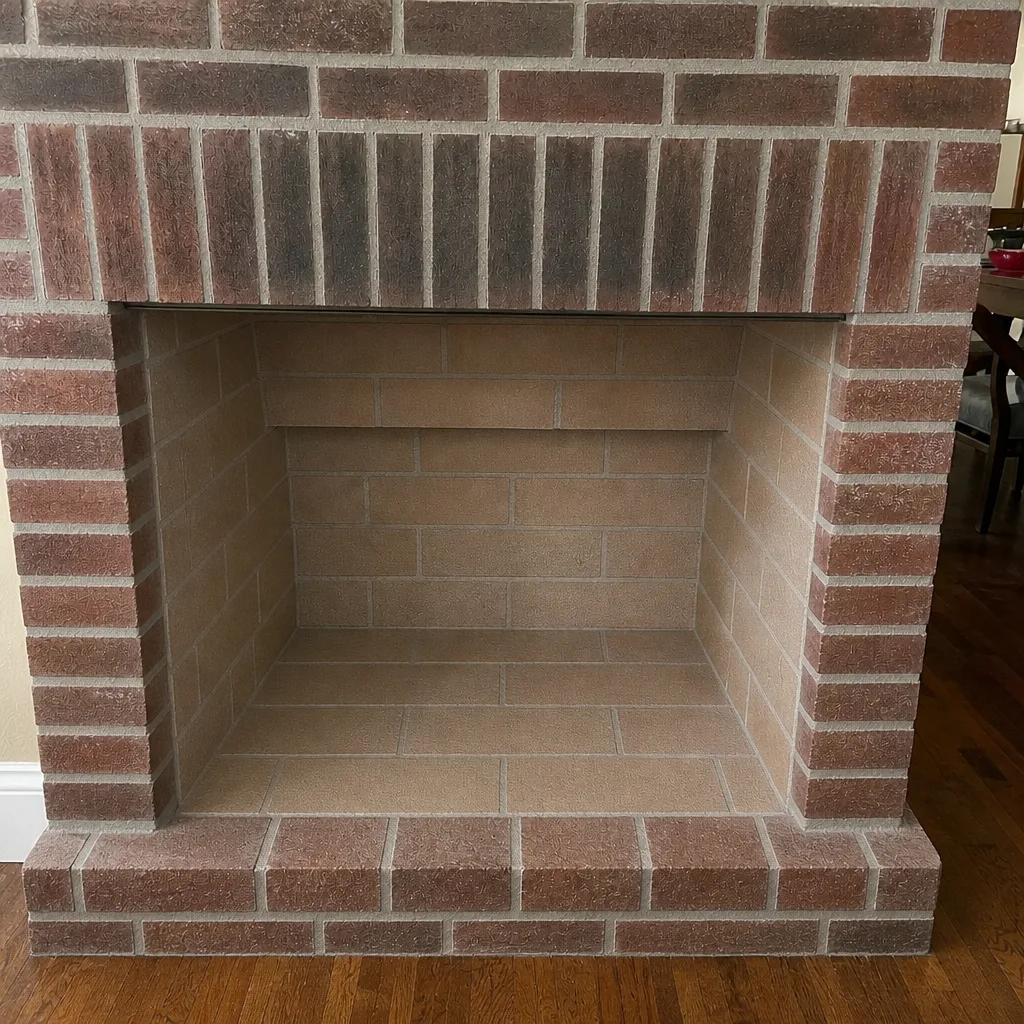 After
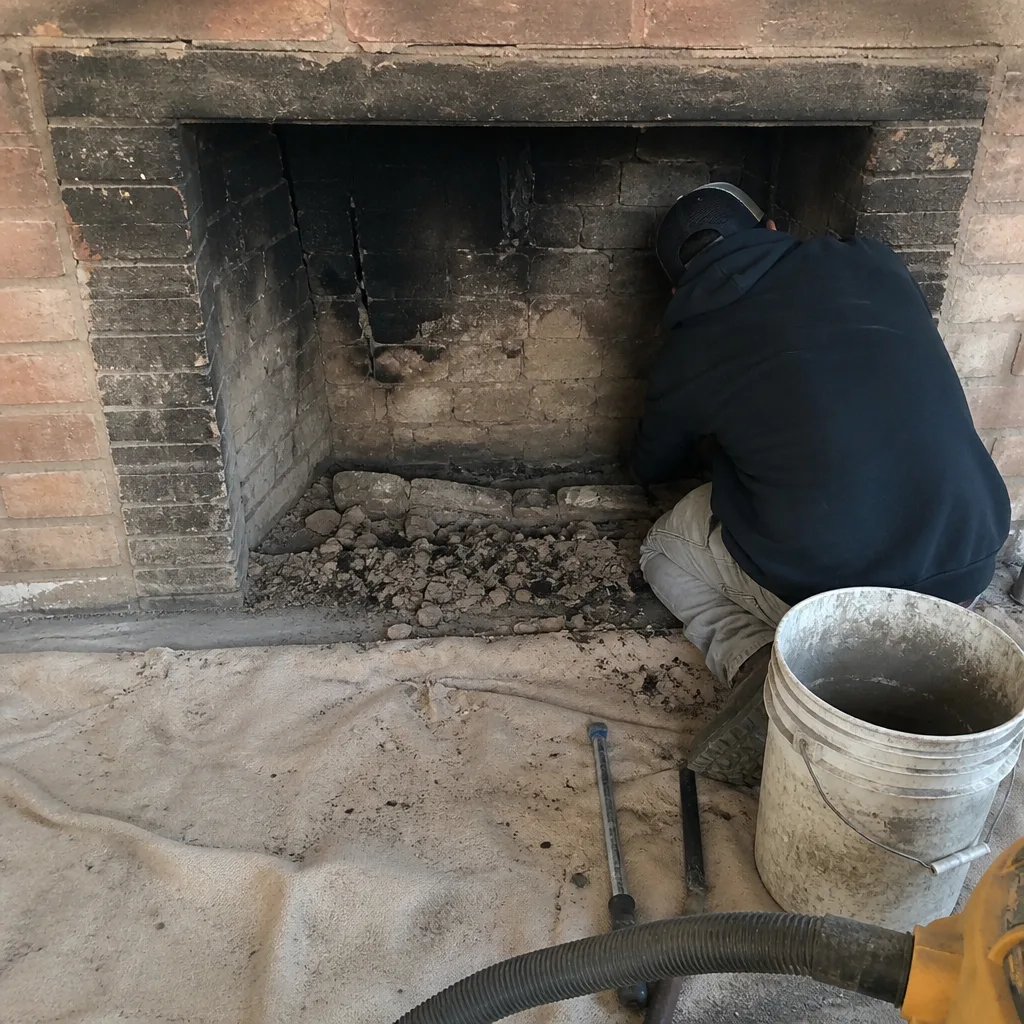 Before
 After
 Before
 After
When to Call a Professional
Call a professional if any of the following applies: your home is in Daly City and was built before the late 1980s, you don’t have an inspection record from the last year, you’ve noticed smoke or odor entering the room during burns, you use a wood-burning insert or solid-fuel appliance, you’ve ever had a chimney fire, or you see cracks, crumbling, or staining on the exterior masonry. Any one of these is enough. Two or more is a firm yes. The cost of a professional sweep is modest compared to the alternative, and the written report is worth keeping on file for insurance and for your own peace of mind. Chimney Sweep Daly City offers free estimates in Daly City – call (866) 885-7416. We answer 24/7. Fast dispatch from 7am to 7pm, Sunday through Friday.
Frequently Asked Questions
You can safely clean your own firebox, lubricate a damper, and visually check your cap from the ground. You cannot safely assess creosote stage, check a liner for cracks, or test draft without professional equipment. In older Daly City housing, the risk of missing a liner defect during DIY cleaning is higher than in newer construction. Get a professional inspection first, then decide what’s safe to handle between visits. Call (866) 885-7416 for a free estimate.
The price is set per job by the written estimate, so the exact cost depends on your flue, its condition, and what the sweep uncovers. Estimates are free and the flat price is agreed before any work starts. Call (866) 885-7416 for an exact quote.
Not always. A camera run shows whether the existing liner is intact, has minor joint issues that HeatShield resurfacing can address, or is failing badly enough to need full replacement. We show you the footage before recommending anything, and we’ll tell you plainly when a repair can wait. HeatShield ceramic resurfacing is an alternative to full liner replacement in qualifying chimneys. Call (866) 885-7416 to find out which scenario applies to your flue.
Once a year for most wood-burning fireplaces, and more often if you burn frequently or use an insert. Short hot burns – which are common in Daly City’s mild winters – tend to produce more creosote than long sustained fires, so the annual schedule matters. If you’ve never had a professional inspection, start with one now and set your schedule from there. Call (866) 885-7416 to book.
Creosote builds up in layers, and second-degree or third-degree glazing becomes more likely the longer you wait. Glazed creosote can ignite and cause a chimney fire, and it’s difficult to remove once it’s formed. Skipping years also means you have no professional record if an insurance claim ever comes up. Call (866) 885-7416 for a free estimate before your next fire.
You can brush the firebox and lower flue, but full-length brushing of a stainless liner requires matching the brush material to the liner spec. Some liners require poly brushes and can be scored by wire; some require rotary cleaning to remove glazed deposits. If you don’t know which liner you have, let a professional run the camera first. Call (866) 885-7416 for a free estimate.
The Bottom Line
DIY chimney cleaning isn’t a binary choice – it’s a boundary, and the boundary sits at the top of the firebox. Below it, a careful homeowner can safely brush, lubricate, and check. Above it, creosote stage, liner condition, and draft pressure all require a trained eye and equipment you can’t buy at a hardware store. In Daly City’s older housing stock, that boundary matters more than in newer construction, because terracotta and unlined flues have more ways to fail. Get a professional inspection so you have a baseline, keep a written record, and handle the safe parts yourself if you want. If anything looks uncertain, call.
Chimney Sweep Daly City offers all three phases – inspection, sweep, and repair – so you’re not coordinating between contractors. We work with DuraFlex, HeatShield, Copperfield, and other professional-grade brands, which means repairs are matched to proven, warrantied materials rather than generic substitutes. We show you what we find before we recommend anything, and we’ll tell you when work can safely wait. Our technicians have up to 15 years of experience.
Call (866) 885-7416 for a free estimate. We answer 24/7. Fast dispatch from 7am to 7pm, Sunday through Friday.
Written by the team at Chimney Sweep Daly City.