
Last updated November 16, 2026
 Sweep & inspection
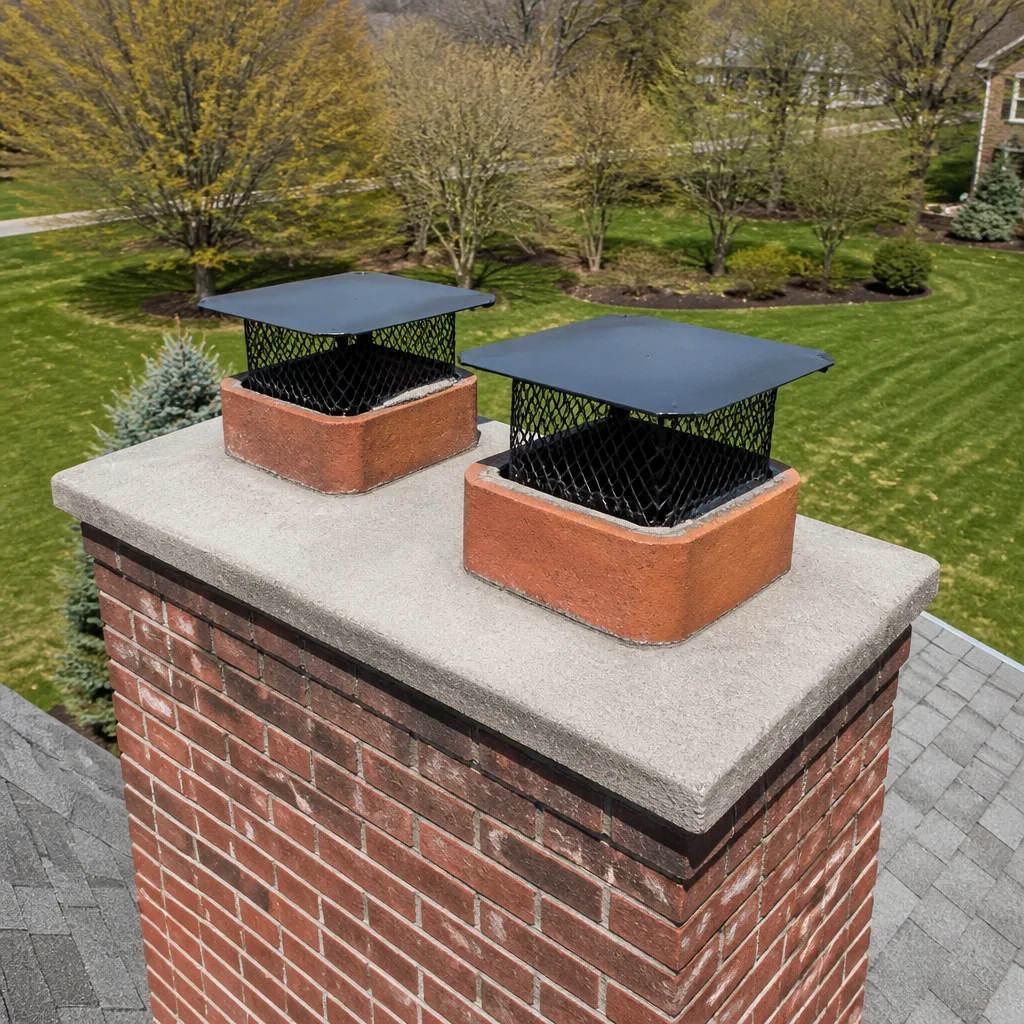
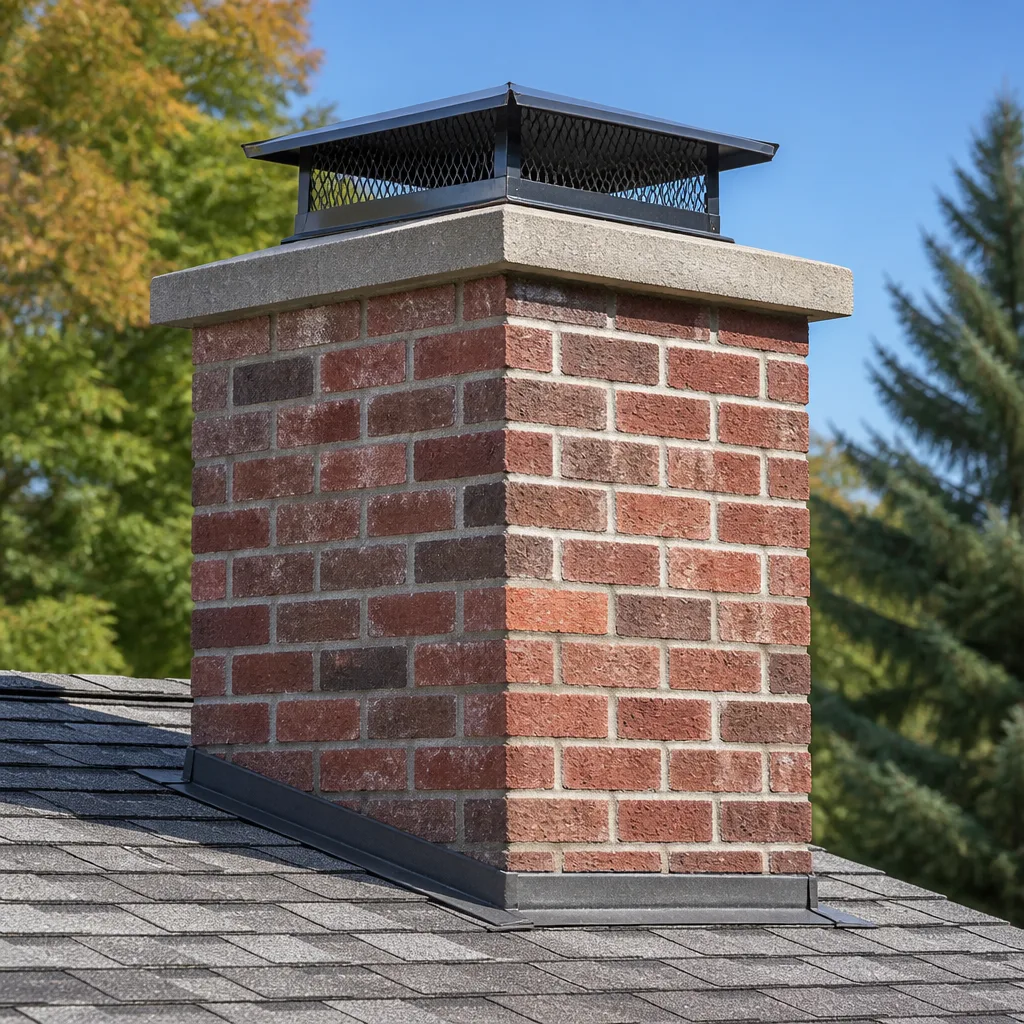 Caps & crowns
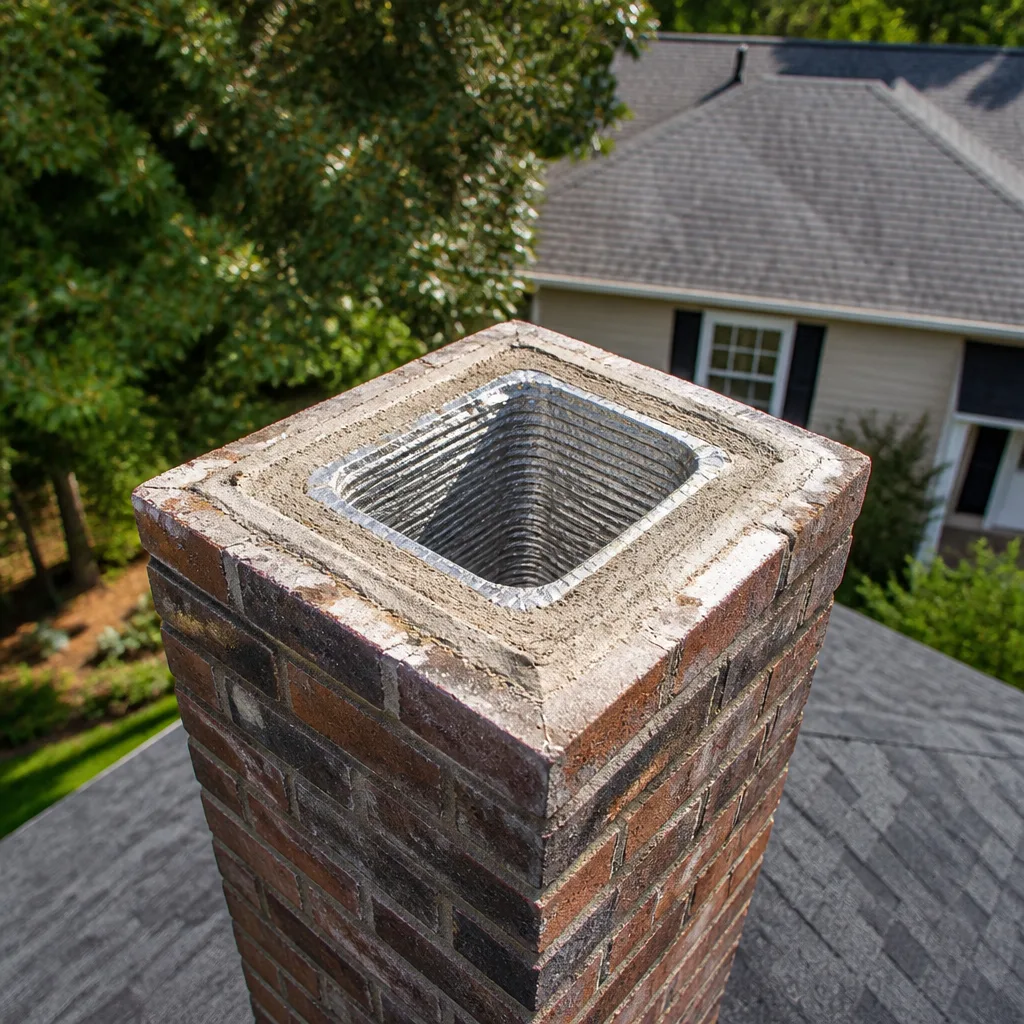 Flue relining
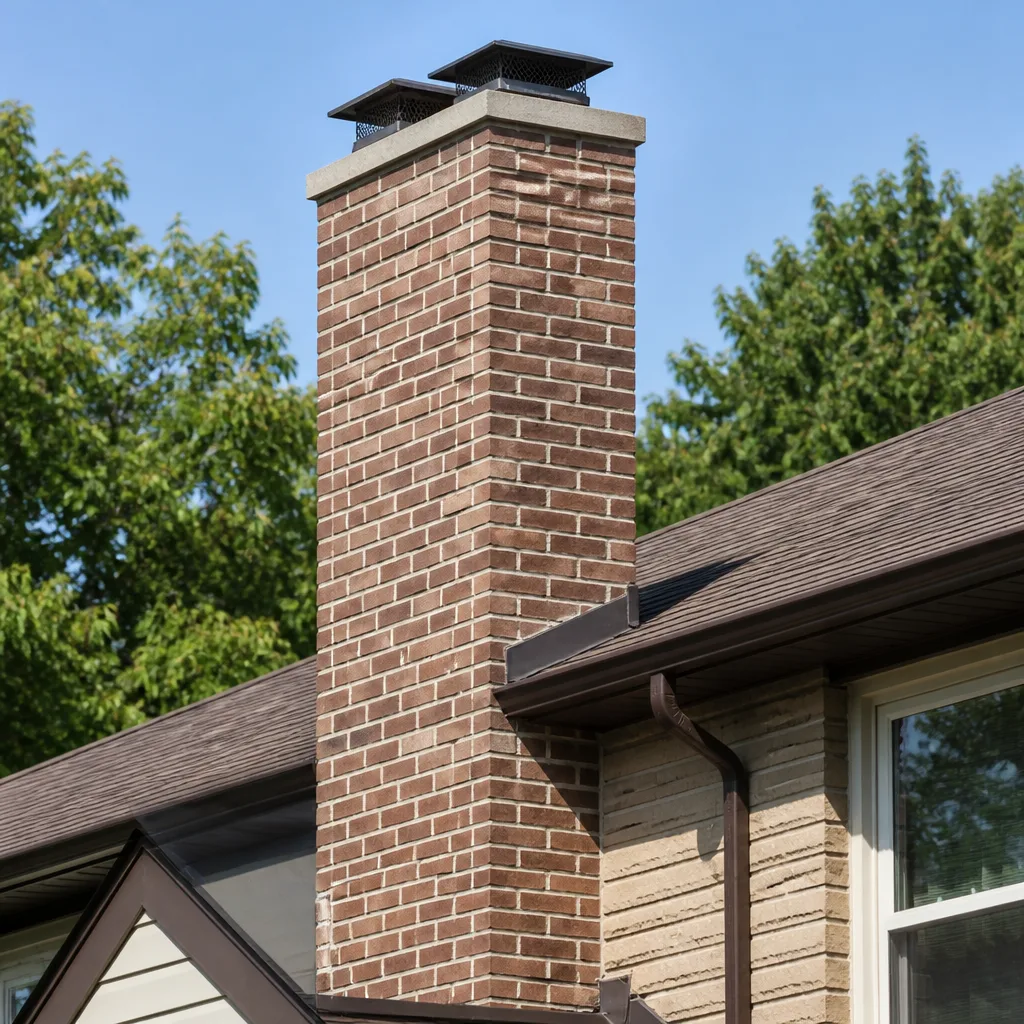 Masonry repair
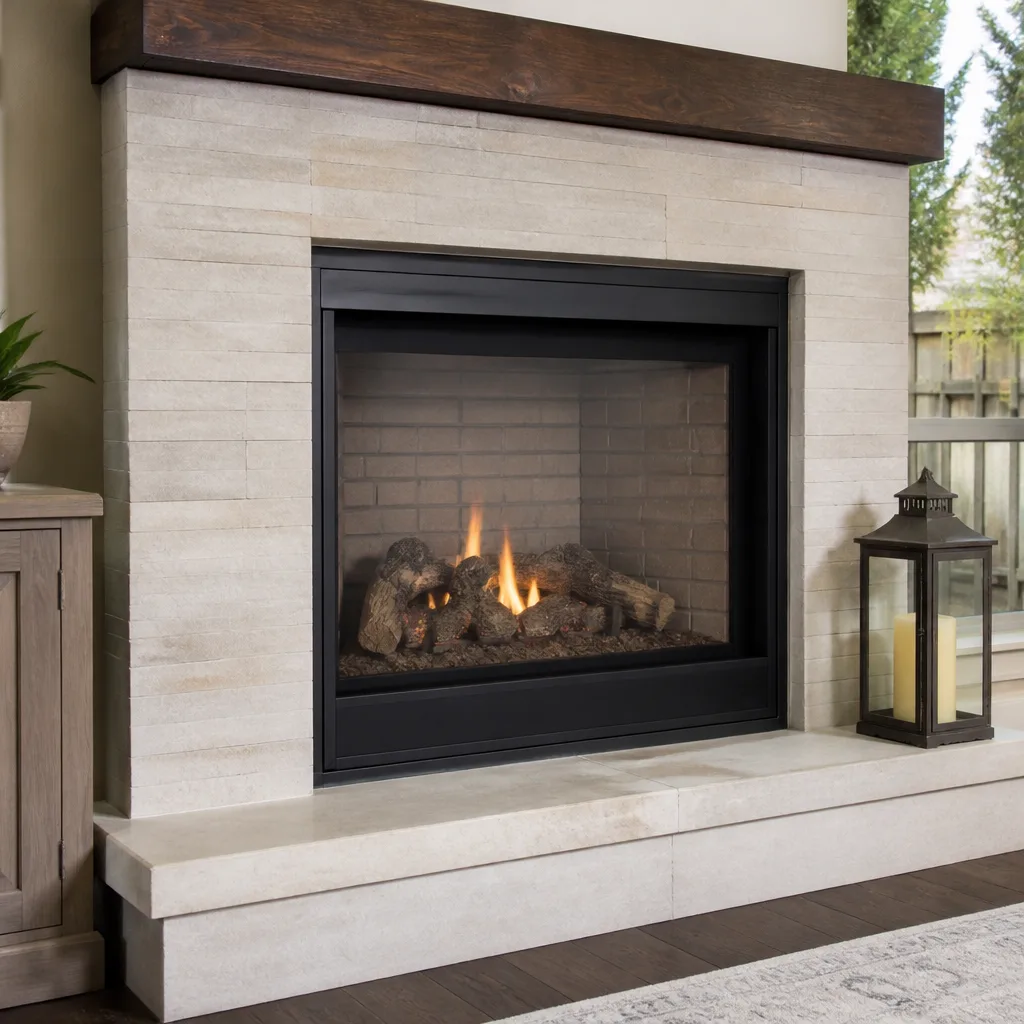 Gas fireplace service
Level 1 sweep and inspection to the NFPA 211 annual standard - flue, crown, cap, and flashing checked and photographed
Chimney sweep logs do not sweep chimneys. They loosen some creosote - which then falls where a brush and vacuum still have to collect it.
Choosing the Right Chimney Cleaning Brand: A Buyer’s Guide for Daly City
There’s no visible difference between a chimney crown sealed with a cheap masonry caulk and one sealed with a professional-grade elastomeric compound – until two winters later, when the cheaper one has cracked open and water is finding its way into the flue. That gap between what a product looks like on day one and how it performs after a couple of heating seasons is the part of chimney work most homeowners never get to see. It’s also the part that separates a lasting repair from a callback. In this guide, we walk through the product lines professional sweeps actually use, how they differ in grade and purpose, and the questions that reveal whether the contractor standing in your Daly City living room is sourcing from a chimney supply distributor or the hardware store down the street. You’ll learn what to ask, what evasive answers sound like, and why material choice deserves as much of your attention as labor credentials.
Quick Answer
The right chimney cleaning brand is the one a contractor can name, explain, and match to the specific job – typically a professional-tier line like HeatShield, Gelco, Olympia Chimney, or Famco, sourced through a chimney supply distributor rather than a general hardware store. A contractor who can tell you which product they’ll use, why it fits your flue, and what it’s engineered to do is choosing materials deliberately. A contractor who answers with “we use good stuff” or “whatever’s on the truck” is leaving your chimney’s performance to chance, and in Daly City’s climate, that choice shows up faster than you’d think.
Styles & brands we work with
- Sweep & inspection
- Caps & crowns
- Flue relining
- Masonry repair
- Gas fireplace service
Table of Contents
- Why material grade matters more than most homeowners realize
- The industry-standard product lines and what each one does
- The questions that reveal how a contractor sources materials
- Why grades matter in Daly City specifically
- Repair-grade sealants vs. maintenance-grade products
- What “we use professional materials” should actually mean
- Matching the brand to the job: how good contractors choose
- Why a professional inspection comes before any product decision
Why material grade matters more than most homeowners realize
Chimney work happens out of sight. Once the technician packs up, the homeowner has almost no way to check the quality of a crown seal, a liner joint, or a smoke chamber parge from the living room. That invisibility is exactly why material grade tends to get ignored, and exactly why it shouldn’t be. The labor can be flawless and the job still fail in two seasons if the compound holding it together wasn’t built for the flue’s temperature swings and moisture exposure.
There’s a useful way to think about this. A chimney is a wet, hot, chemically active environment. Creosote is acidic. Flue gases carry moisture. The masonry and metal components expand and contract with every fire. A product designed for general masonry won’t account for those conditions. A product engineered specifically for chimney service will – higher temperature tolerance, better adhesion to soot-stained surfaces, flexibility that survives movement instead of cracking under it.
In our experience, the failures we see on repeat calls tend to cluster around three areas:
- Crowns and wash surfaces – where cheap mortar tops crack and let water track down into the flue
- Liner joints and relining systems – where a flexible liner is only as good as the stainless grade and the connector seals
- Smoke chamber and damper assemblies – where resurfacing products either bond and stay or peel away
None of those failures announce themselves immediately. They show up as a draft that gets worse, a stain on the ceiling, a smell on humid days, or water in the firebox after a storm. By the time the homeowner notices, the repair is more involved than the original job would have been if the right product had been used the first time. That’s the cost of an invisible decision.
Professional-tier brands exist specifically to close that gap. They’re formulated and tested for chimney conditions – not repurposed from a general contractor catalog. When a company tells you they work with DuraFlex, HeatShield, Gelco, Olympia Chimney, Famco, and Copperfield, what they’re really saying is that every recommendation they make starts from a known, warrantied, purpose-built starting point. That’s the standard worth asking for.
The industry-standard product lines and what each one does
Knowing the major product families by name puts you in a much stronger position as a buyer. You don’t need to become an expert, but you should recognize what each category of product is engineered to do, because that’s how you’ll judge whether a contractor’s answer is specific or vague. Here’s a working reference for the products you’re most likely to encounter on a professional chimney job.
HeatShield ceramic liner restoration
HeatShield is a ceramic-based resurfacing system used to restore a damaged clay flue liner without tearing it out and installing a new one. In chimneys that qualify – the flue has to be structurally sound enough to receive the coating – HeatShield can avoid the cost and disruption of full liner replacement. It’s applied as a resurfaced insulation layer that cures in place, sealing cracks and gaps that would otherwise let creosote and gases escape the flue. When a contractor mentions HeatShield, the right follow-up question is: “Does my flue qualify for restoration instead of replacement, and how do you determine that?” That’s a conversation about inspection findings, not sales pressure.
Rutland masonry and firebox products
Rutland makes a broad family of chimney and masonry maintenance products – refractory mortars, crown repair compounds, firebox coatings, and creosote treatment solutions. These are workhorse products, and they’re the kind of thing a chimney supply distributor stocks as a baseline for repair work. If a contractor tells you they use a Rutland product, that’s not a red flag; the question is whether they can name the specific Rutland product and explain why that one fits your crown or firebox.
Chimney RX sealants and crown coatings
Chimney RX is built around moisture protection – elastomeric crown coatings, water repellents, and sealants formulated to flex with the masonry as it moves. These products matter most on the crown and the exterior masonry surface, where water intrusion starts. An elastomeric crown coating is engineered to bridge hairline cracks and stay sealed through temperature cycling. A generic mortar patch is not. That’s the exact gap we described in the opening: two crowns look identical on install day and diverge within two winters.
FireFlex flexible liner systems
FireFlex is a flexible stainless liner family used for relining older flues, retrofitting non-standard chimney configurations, and replacing damaged clay liners. Flexible liners matter most in Daly City homes where the original masonry chimney wasn’t built to modern proportions or has had its flue reduced by decades of use. Alongside FireFlex, DuraFlex is another professional-grade flexible liner line commonly chosen for the same jobs. When a contractor names the liner brand and the connector system, you know they’re matching the product to the flue instead of grabbing whatever length is nearest.
One useful habit as a buyer: when a contractor names a product line, ask which specific product within that line they intend to use and what condition it treats. The answer should be detailed, immediate, and grounded in what they saw during inspection. If it’s hesitant or generic, that tells you something too.
The questions that reveal how a contractor sources materials
You don’t need to know the product lines cold to evaluate a contractor. You need the right questions, and you need to know what specific sounds like versus what evasive sounds like. Here’s a numbered sequence that works whether you’re booking a routine chimney sweep or a liner repair.
- “Which specific products will you use on this job?” A good answer names a product family and a specific product. Evasive answers: “We use industry-standard materials,” “Whatever the situation calls for,” or a brand name with no product. You’re not testing memorization; you’re testing whether they actually plan the materials before arriving.
- “Where do you source your chimney products?” The right answer points toward a chimney supply distributor or a manufacturer-direct channel. The wrong answer is “The hardware store” or “Home Depot.” A contractor sourcing chimney materials from a big-box store is either improvising on your job or working from a smaller catalog than the trade requires.
- “Can you tell me the difference between a repair-grade and a maintenance-grade product you’d use here?” Contractors who know their materials will explain the distinction without hesitation. Repair-grade products are designed for a specific failure – a cracked crown, a damaged flue. Maintenance-grade products are for preservation – water repellent, creosote treatment, routine sealing. If the answer blurs the two, that’s a warning sign.
- “How do you decide between HeatShield restoration and full liner replacement?” The answer should describe inspection findings – flue condition, cracks, gaps, offset – not price. Contractors who reach for HeatShield as the default or replacement as the default are skipping the diagnostic step.
- “What are the trade-offs between the two or three products you’re considering?” A knowledgeable contractor will almost always have a runner-up and can explain why one fits better than the other. If there’s only ever one option, they haven’t thought about it.
- “Do you keep professional-grade liner systems on hand, or order them per job?” Both answers are acceptable; the point is whether they know what they have and what they’ll need for your chimney. Companies that work with DuraFlex flexible liner systems, for example, will know the exact configuration required for your flue dimensions before they start.
The unifying trait of a good answer is specificity. It names products. It ties them to conditions. It acknowledges trade-offs. Evasive answers sound like comfort without substance: “high-quality materials,” “professional-grade everything,” “we only use the best.” When you hear those phrases, ask a follow-up. If the follow-up is another vague phrase, you’ve learned what you needed to.
Why grades matter in Daly City specifically
Daly City sits in a cool, foggy coastal climate where temperature swings between day and night are higher than you’d expect and moisture in the air is a constant presence much of the year. That combination puts specific pressure on chimney materials, and it’s why a product that might be adequate somewhere warmer and drier will underperform here.
Moisture drives the two biggest long-term threats to a chimney: water intrusion and temperature cycling. Water gets into masonry through the crown, the chimney exterior, and hairline cracks around the flashing. Once it’s inside, frost isn’t the issue in Daly City, but wet-dry cycling still pushes and pulls on masonry joints, mortar, and sealants. A product that’s stiff or brittle under that cycling cracks and opens up. A product engineered to stay flexible – an elastomeric crown coating, for example – moves with the masonry and holds its seal.
This is where brand choice becomes a real, physical difference rather than a marketing one. The professional-grade elastomeric compounds sold under lines like Chimney RX and HeatShield are formulated to handle moisture exposure and thermal movement together. They’re tested for it. A hardware-store masonry caulk might hold for one season in a dry climate, and it will start to fail faster in a damp one. Daly City’s air gives every sealant plenty of chances to prove itself.
For Daly City specifically, our recommendation for any crown or exterior seal work is to ask the contractor two direct questions: what specific product are you using, and is it elastomeric and moisture-resistant? If those questions get a specific answer, you’re likely working with a professional. If they get brushed aside, you’re likely looking at a repair that won’t last. That’s not a scare tactic; it’s the practical reality of painting a masonry surface in a wet climate and expecting a dry-climate product to hold up.
Inside the chimney, climate still matters, but for different reasons. A cool, damp environment is harder on liner joints and smoke chamber surfaces than a dry one, because condensation inside the flue between fires is more common. Products like HeatShield’s resurfacing system are applied and cured in place, sealing the flue surface against moisture and creosote contact. That makes them a genuinely useful option in coastal climates where a flue spends much of its life between fires with condensation forming inside. If you’re considering chimney repair or a liner restoration in Daly City, ask whether the product you’re being quoted is specified for damp-climate conditions. It’s the right question, and a good contractor won’t mind hearing it.
Repair-grade sealants vs. maintenance-grade products
Contractors use two broad categories of products, and confusing one for the other is one of the most common ways a job gets mis-specified. Understanding the difference puts you on firmer ground when you’re evaluating a quote.
Repair-grade products are designed to fix a specific, identified failure. Examples include:
- HeatShield ceramic resurfacing applied to crack a clay flue back into service
- Refractory mortar patched into a damaged firebox or smoke chamber
- Elastomeric crown coating over a cracked masonry crown
- A flexible liner installed inside a deteriorated clay flue
- Stainless connector systems re-seating a damper assembly
These products are chosen after inspection, not before. They address a defined problem that a technician can show you in a photo or camera report.
Maintenance-grade products are for preservation, not repair. Examples include:
- Water repellent applied to exterior masonry to slow absorption
- Creosote treatment agents used alongside sweeping
- Routine crown sealing on a crown that’s still intact
- Sacrificial coatings on components that wear with use
These products extend the life of healthy components. They are not substitutes for repair, and no well-run chimney company will try to swap one for the other.
Here’s the practical test when you’re quoted work: ask whether the product being proposed is repair-grade or maintenance-grade, and why that’s the right grade for what was found. A contractor who found a cracked crown and is proposing an elastomeric repair coating is correctly matching product to condition. A contractor who found a cracked crown and is proposing a routine water repellent application is under-solving the problem. And a contractor who found a healthy crown and is proposing a full crown rebuild is over-solving it. The right product matches the actual condition – which is why the next section matters so much.
What “we use professional materials” should actually mean
A lot of chimney companies claim to use professional materials. The phrase is easy to say and harder to verify, so the useful question is what it actually means in practice. In practice, it means the company sources from a chimney supply distributor or manufacturer-direct channel, stocks and orders product families rather than single items, and can name specific products within a specific line for a specific condition.
Here’s what that looks like compared to the alternative:
- Professional sourcing: “We’ll use HeatShield ceramic resurfacing on this flue because the clay has hairline cracks that haven’t penetrated to the shell. If the camera shows deeper separation, we’ll switch to a DuraFlex flexible liner and quote that before we start.”
- Big-box sourcing: “We’ll use a masonry product on the flue – whatever’s appropriate. We can pick it up on the way.”
The first answer treats the product choice as a diagnostic outcome. The second treats it as an errand. Both contractors might be likable. Only one of them is operating like a chimney professional.
There’s another angle worth knowing as a buyer. A contractor who works from a professional chimney supply line will usually have manufacturer documentation, product data sheets, and warranty terms readily available. If you ask “Can you share the product data sheet?” and the answer is “Sure, I’ll send it over,” you’re dealing with someone who organizes their work around real materials. If the answer is a shrug, that tells you the sourcing isn’t systematic.
Our own approach leans into this as a core principle: we work with a defined set of professional brands – DuraFlex, HeatShield, Gelco, Olympia Chimney, Famco, and Copperfield – and we don’t improvise outside it. Not because other products can never work, but because a defined baseline is how you make product choices accountable. If we recommend something, it’s a product we can name, source, document, and stand behind. We show you what we find before we recommend anything, and the product we name is tied to the finding. That’s what “professional materials” should mean from any chimney company you hire in Daly City or anywhere else.
Matching the brand to the job: how good contractors choose
The best product is the one that fits the actual condition of your chimney, not the one with the best marketing. A contractor choosing well is doing a small algorithm: condition of the flue, condition of the crown, condition of the firebox, age of the chimney, whether the appliance is wood, gas, or solid-fuel, and how the chimney will be used going forward. Then they pick from a short list of brands that fit those conditions.
Here’s a rough mapping that reflects how a well-run chimney company tends to think about product selection. It’s not a substitute for an inspection; it’s a way to understand the logic.
- Hairline-cracked clay flue, appliance in use, no structural separation: HeatShield ceramic resurfacing is often the right candidate. It restores the flue surface without the disruption of relining. The contractor should verify the flue qualifies during inspection.
- Deteriorated or non-standard flue that needs a new liner: A flexible stainless liner from DuraFlex or a comparable professional line, sized to the appliance and the flue dimensions. Connector seals and top plate matter as much as the liner itself.
- Cracked masonry crown: Elastomeric crown coating from a professional line like Chimney RX, applied over the correct substrate. Repair-grade.
- Water-repellent exterior treatment on healthy masonry: A maintenance-grade product, applied after the masonry has been cleaned and dried. The right choice only when no active water intrusion is happening.
- Damaged firebox or smoke chamber: Refractory mortar or a similar repair-grade product matched to the masonry type. Famco and Olympia Chimney product lines carry compatible repair components.
- Deteriorated damper assembly: A properly sized replacement component from a professional line, not a hardware-store retrofit.
Notice what this mapping does not do. It doesn’t default to any one brand. It doesn’t start from a single “best” product. It starts from the condition and matches the product to it. That’s the correct order of operations, and any contractor who leads with the product before they’ve seen the chimney is being either confident to a fault or sales-driven. Neither is a good sign.
If you want to see how this plays out in practice for a specific chimney condition, that’s the conversation we have with every homeowner before we recommend work. It’s also one of the reasons we work across the three phases of chimney care – inspection, sweep, and repair – as one process. The company that inspects should be the company that sweeps, and the same team should apply the repair materials. When the whole chain runs through one place, the product recommendation stays grounded in what the inspection found. That single-company accountability is worth more than any single brand logo on the invoice.
Why a professional inspection comes before any product decision
Every product recommendation you’ve read about in this guide depends on one thing: a proper inspection that identifies the actual condition. Without one, “which brand” is a question without a real answer. This is the step homeowners most often want to skip, and it’s the one that prevents the whole category of failure the rest of this guide has been warning about.
A chimney inspection at minimum should cover:
- Flue interior – camera inspection for cracks, separation, gaps, and creosote condition
- Liner integrity – whether the existing clay or metal liner is intact enough to keep in service
- Crown and wash – cracking, spalling, or separation that lets water track into the chimney
- Exterior masonry – missing mortar joints, tilted courses, signs of moisture intrusion
- Firebox and smoke chamber – condition of refractory surfaces and the damper assembly
- Chimney cap and flashing – the two most common water-entry points
Only after those conditions are documented does a product conversation make sense. That’s why an inspection report with photos or camera footage matters so much to the buyer: it lets you verify the finding before you authorize the repair, and it lets you see for yourself whether the recommended product matches the condition in the image. Any contractor who can’t or won’t show you that isn’t giving you a real recommendation.
For a homeowner in Daly City, this inspection-first approach also protects a specific decision that comes up a lot: whether HeatShield restoration is a legitimate option for your flue or whether full replacement is the only path. The only way to know is to look. If you’re booking a routine chimney inspection, look for a company that’s explicit about what the inspection covers and what the report will show you before any product decision is made. It’s the same in every neighborhood across Daly City – the chimney tells you what it needs first, and the products come second.
Common Mistakes to Avoid
- Hiring on labor credentials alone and ignoring materials. A contractor can have perfect technique and still install a product that fails in two heating seasons. Ask about materials with the same weight you’d give to training and references.
- Accepting “professional-grade” as a complete answer. It’s the opening of a conversation, not the end of one. Follow up with which product, from which line, for which condition.
- Buying a liner brand you saw at a hardware store. Liner systems require matching to flue dimensions and appliance types. Retail liner kits are not a substitute for a professional line sized to your chimney.
- Letting a contractor pick the product before inspecting the chimney. If the recommendation arrives before the inspection, it’s probably not about your chimney. In Daly City specifically, this often shows up as a default push toward full relining when a restoration would serve the flue just as well if it qualifies.
- Mixing repair-grade and maintenance-grade expectations. If the crown is cracked, a water repellent won’t fix it. If the crown is healthy, a full rebuild is unnecessary. The product should match the condition, not the sales target.
- Skipping the question of whether the flue qualifies for HeatShield rather than a full liner. In Daly City, where older homes may have clay flues with intact shells but surface cracking, this question can save real money and disruption. Ask it directly.
- Not asking who applies the repair. The company that inspects should be the company that sweeps and repairs, so there’s no finger-pointing between subcontractors if something doesn’t hold. Ask who actually applies the product, and get the answer in writing.
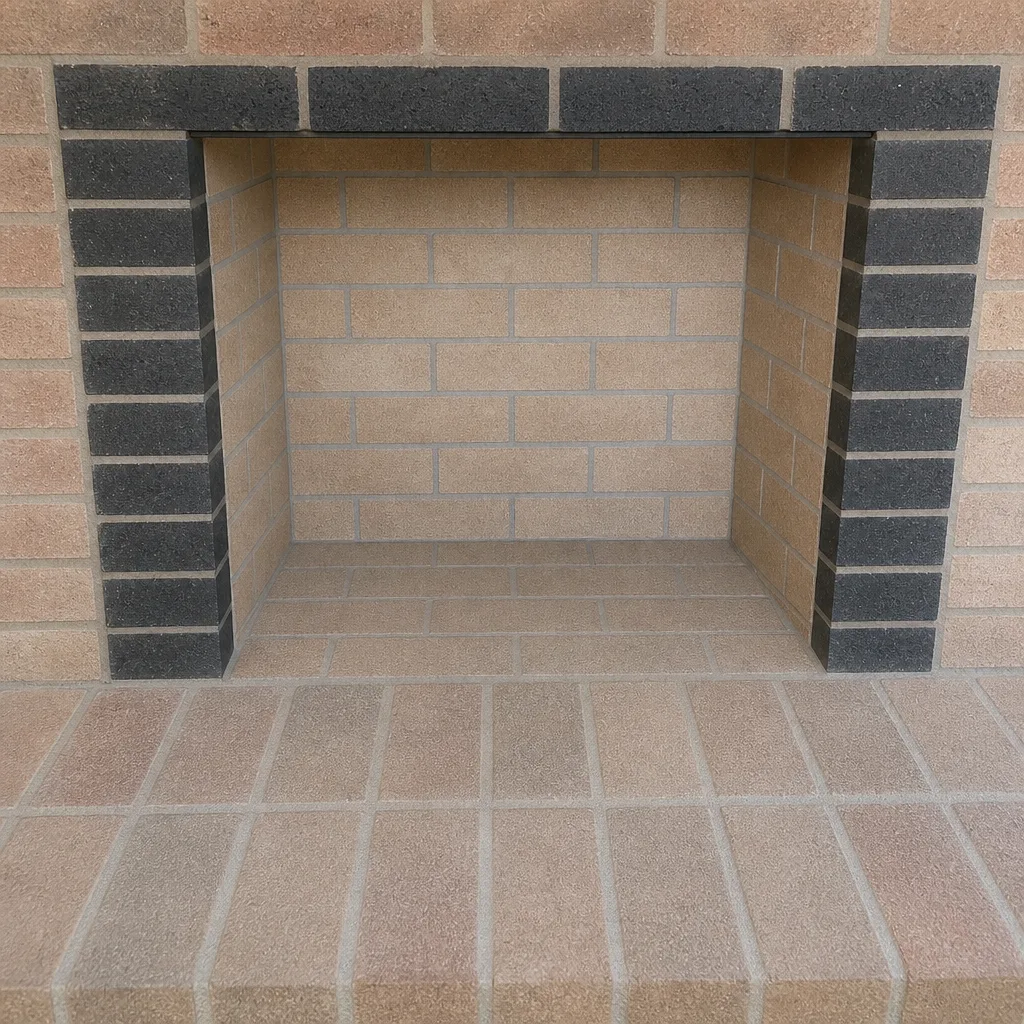
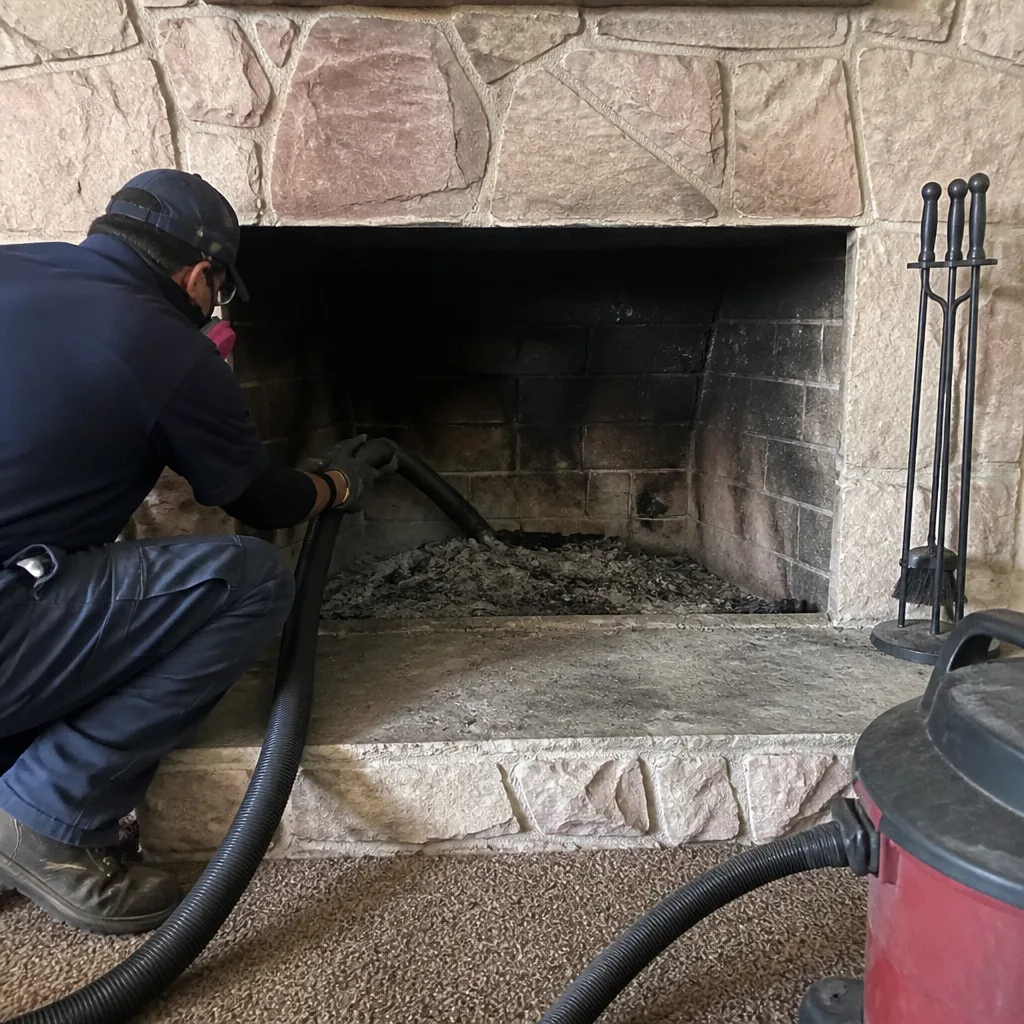
See the difference
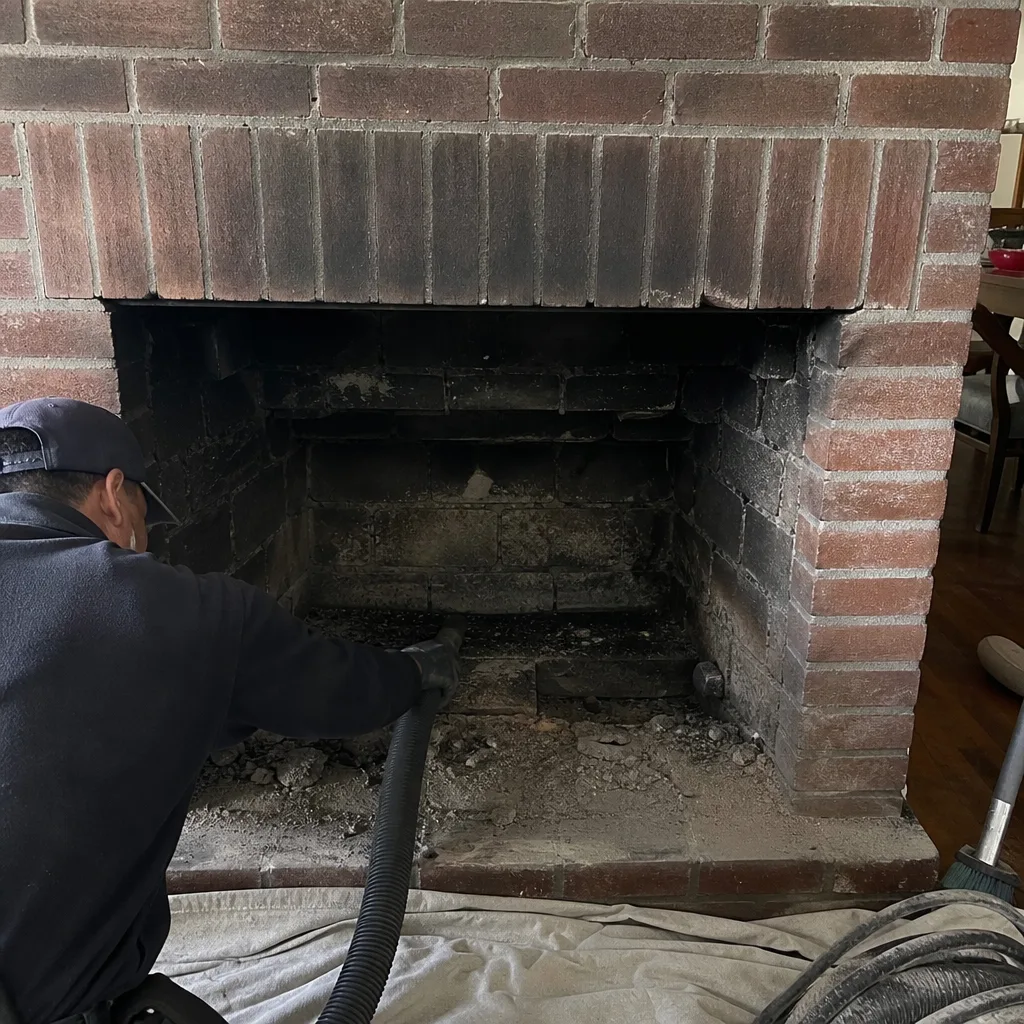 Before
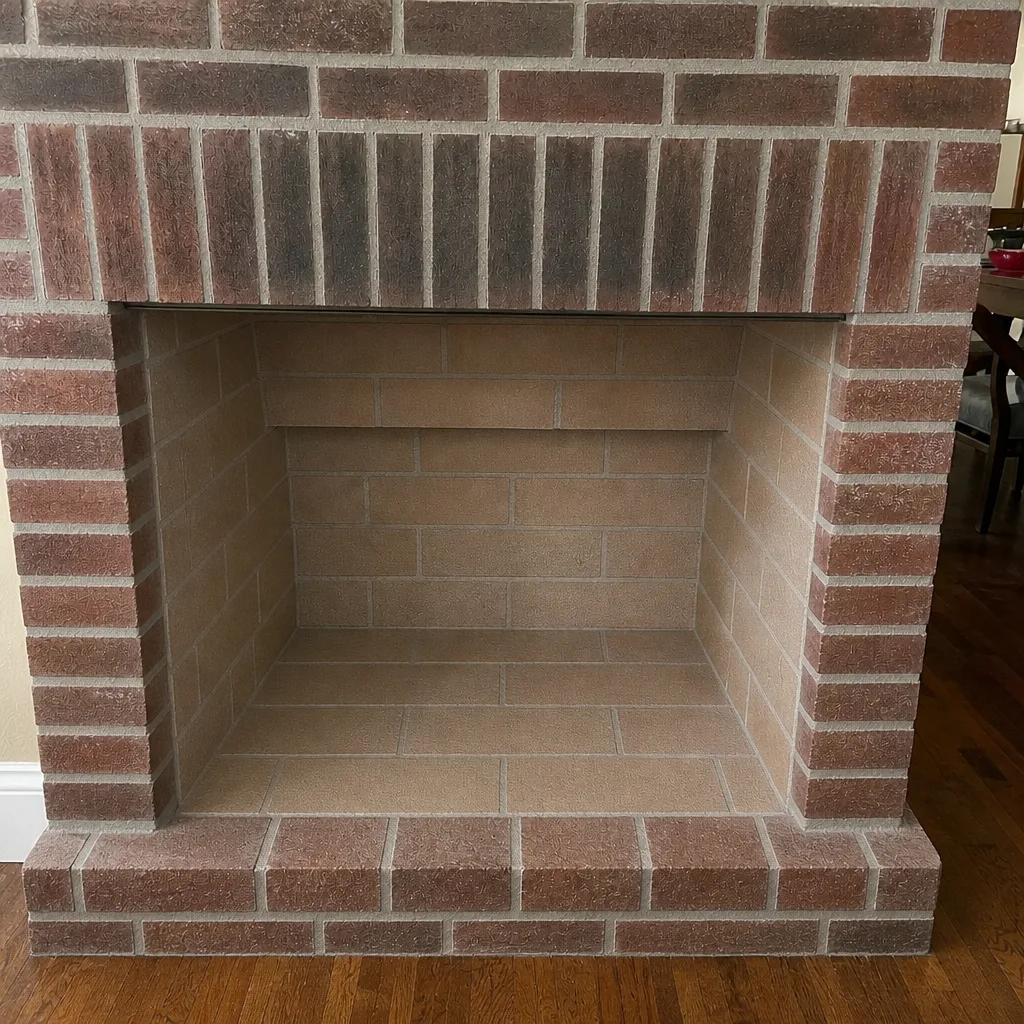 After
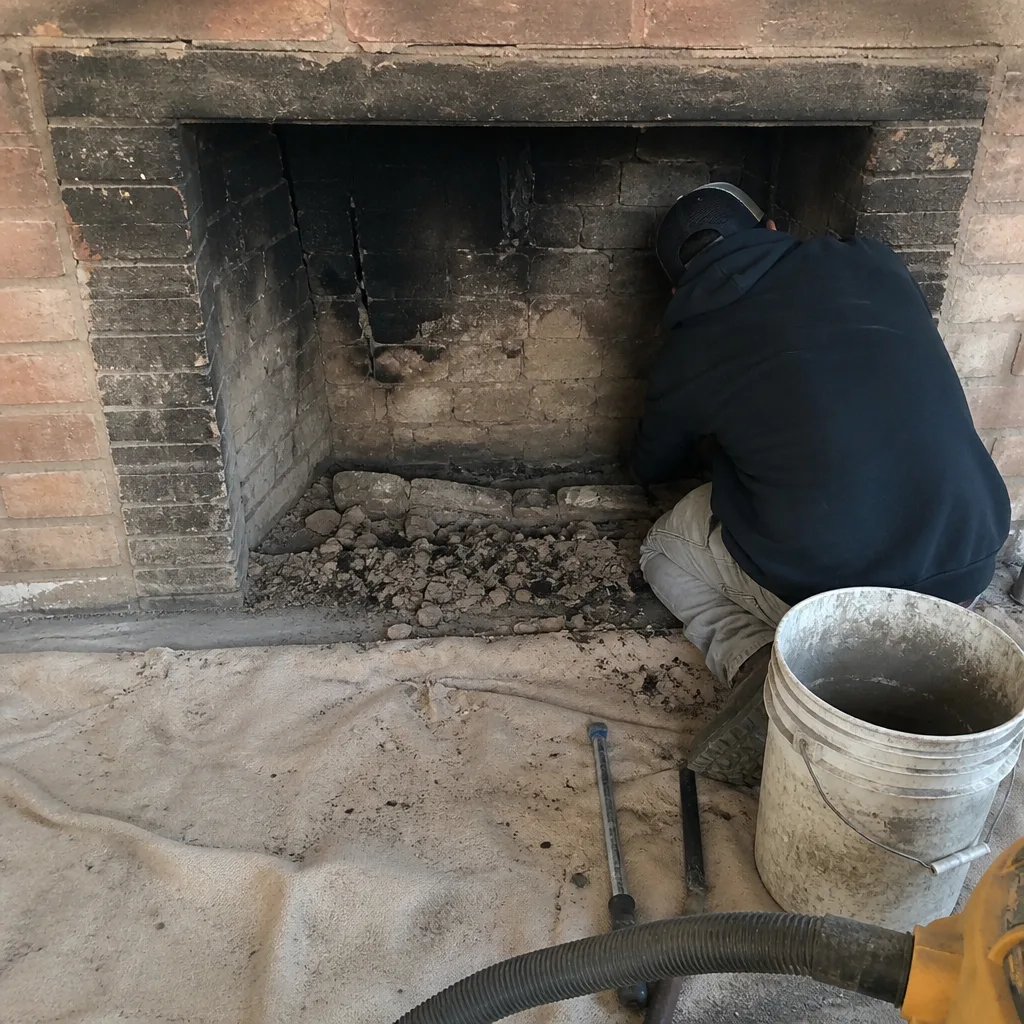 Before
 After
 Before
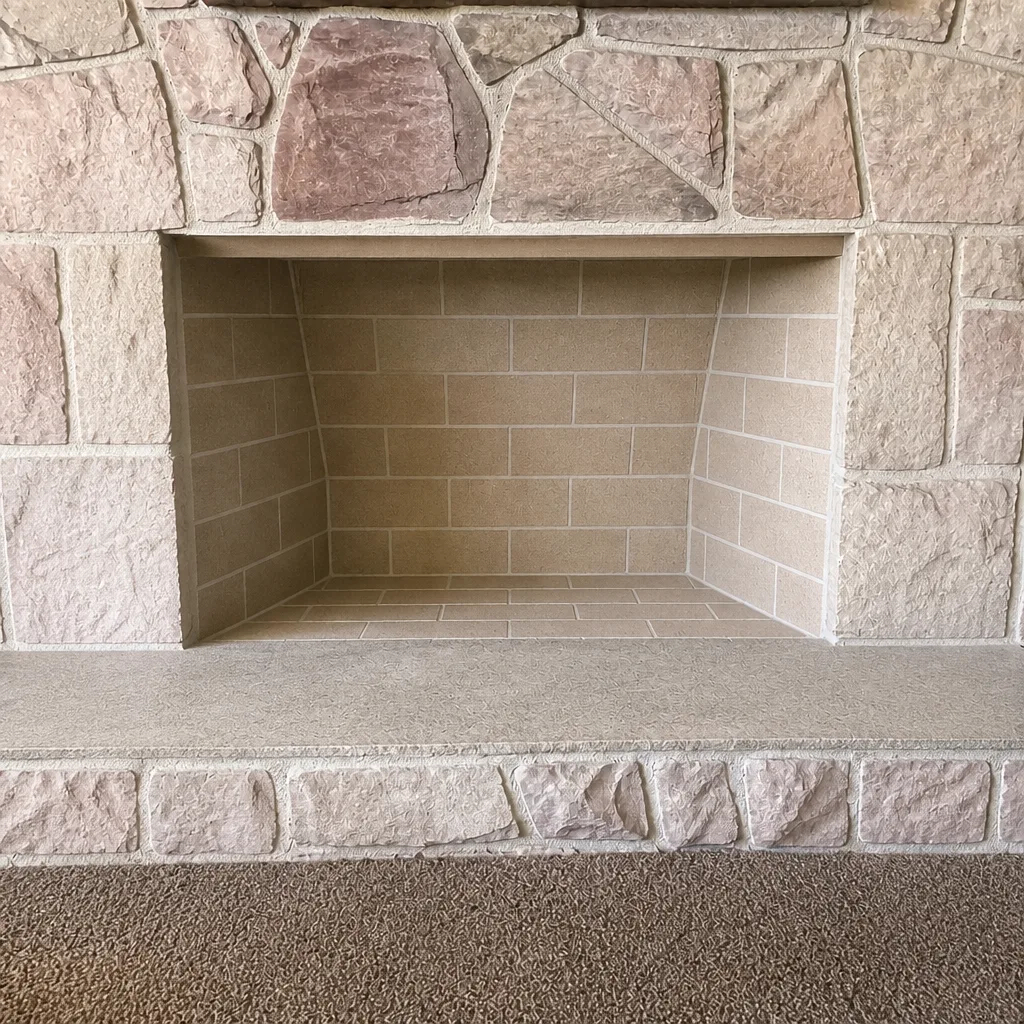 After
When to Call a Professional
Some situations clearly require a professional chimney contractor rather than a do-it-yourself attempt. The clearest is a chimney that hasn’t been inspected in a while, especially in a home with an active wood-burning fireplace or solid-fuel appliance – creosote accumulates whether or not the fireplace is used often, and the only way to know its condition is to look. A chimney that smells noticeably on humid days, that drafts poorly, that shows staining near the ceiling or along the chimney chase, or that has visible cracking on the crown is asking for attention. Anyone whose chimney has sustained an impact from a storm or a falling limb should have it inspected before the next fire. And any homeowner who has never had the flue inspected should get an inspection before using the fireplace this season. Chimney Sweep Daly City offers free estimates in Daly City – call (866) 885-7416. We answer 24/7. Fast dispatch from 7am to 7pm, Sunday through Friday.
Frequently Asked Questions
Look for professional-grade brands like HeatShield for liner restoration, DuraFlex for flexible liner systems, Chimney RX for elastomeric crown and moisture protection, Rutland for refractory and firebox products, and FireFlex for flexible relining. Daly City’s damp, foggy climate rewards products engineered for moisture resistance and temperature cycling, which is where the professional lines outperform hardware-store substitutes. The specific brand matters less than the contractor’s ability to match it to the actual condition of your chimney.
Ask three direct questions: which specific product they’ll use on your job, where they source their chimney materials, and how they decide between repair-grade and maintenance-grade products. A professional will name the product, describe the supply channel, and explain the decision based on inspection findings. An evasive answer – “we use the best,” “professional-grade everything,” “whatever the situation calls for” – is a strong signal the sourcing isn’t systematic. Call (866) 885-7416 for an exact quote – estimates are free.
HeatShield is a legitimate ceramic resurfacing system for the right chimney, and it can avoid the cost and disruption of full liner replacement when the flue is structurally sound enough to receive the coating. It is not a universal replacement for relining – it only applies when the damage is surface-level cracking and not structural separation of the clay. The only reliable way to know whether your Daly City flue qualifies is a professional inspection with camera documentation. Call (866) 885-7416 to book one.
Daly City’s cool, foggy climate keeps moisture in contact with chimney exteriors and keeps condensation inside the flue between fires. That combination accelerates the failure of elastomeric sealants and stiff masonry compounds that weren’t formulated for wet exposure and temperature cycling. Professional-grade products like the Chimney RX line are formulated and tested for those conditions. In a dryer climate, a cheaper product might hold for a season or two longer before cracking. In Daly City, the difference is visible faster.
Some professional lines are available through specialty distributors, but the bigger problem is matching the product to your flue. Liner systems, in particular, need to be sized to the appliance and the flue dimensions, and the connector seals are as critical as the liner itself. Hiring a contractor who supplies the product themselves keeps the material choice and the installation accountability with one company, which matters if something doesn’t hold. Call (866) 885-7416 for a free estimate on a professional assessment.
You typically won’t see the failure for one to two heating seasons – a crown that cracks open, a joint that pulls apart, or a flue surface that starts leaking. That’s the reason to ask for the product name and the data sheet before the job starts, and to keep the written estimate that specifies which product was quoted. If the product differs from what was promised, you have documentation to address it. Call (866) 885-7416 if you’re comparing quotes and want to verify what’s being proposed.
The Bottom Line
Material grade is the invisible half of chimney work, and in Daly City’s damp, cool climate it shows up faster than most homeowners expect. The brands a contractor uses tell you how deliberately they work. A company that names its products, sources them through a professional chimney supply channel, and matches them to inspection findings is choosing materials with the same care it puts into labor. A company that waves the phrase “professional-grade” without specifics is leaving the result to chance. When you’re comparing chimney contractors, ask for the product name, ask why it fits your chimney, and ask what the alternative would be. The answers will tell you most of what you need to know. Call (866) 885-7416 for a free estimate. We answer 24/7. Fast dispatch from 7am to 7pm, Sunday through Friday.
Written by the team at Chimney Sweep Daly City.