
Last updated November 16, 2026
 Sweep & inspection
 Caps & crowns
 Flue relining
 Masonry repair
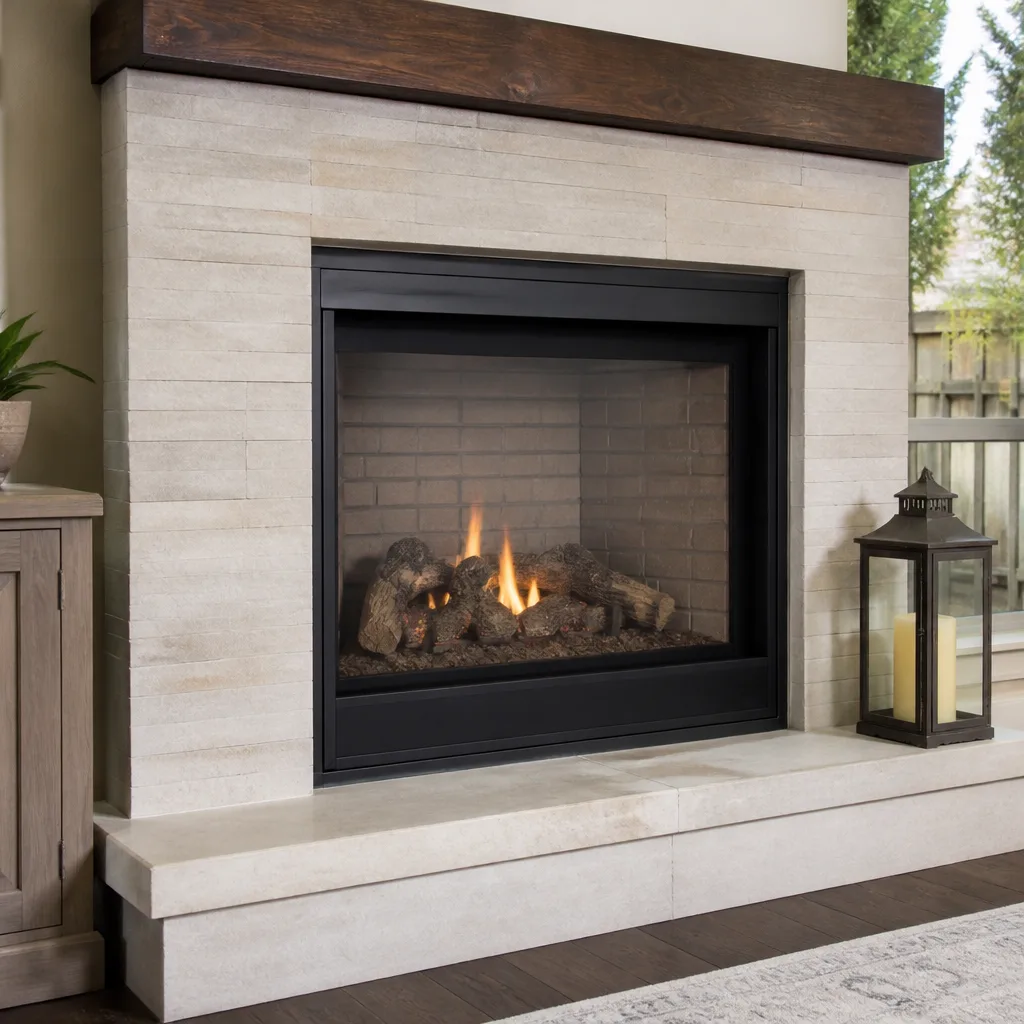 Gas fireplace service
Level 1 sweep and inspection to the NFPA 211 annual standard - flue, crown, cap, and flashing checked and photographed
Chimney sweep logs do not sweep chimneys. They loosen some creosote - which then falls where a brush and vacuum still have to collect it.
Chimney Sweep Troubleshooting in Daly City: Common Problems and How to Fix Them
Most people assume a smoky fireplace means a dirty flue. Usually it’s the opposite: the flue is clean enough, and the problem is airflow. A chimney is a pressure machine, and in Daly City the machine works against a stack of local conditions that homeowners rarely connect to the symptoms they see. Fog that settles over the hills pushes moisture into masonry; newer tight-built homes starve the fire of combustion air; and a firebox that sat unused through the mild season collects creosote that turns gummy and glazed. This guide treats each symptom as a diagnostic clue. You’ll learn which problems you can monitor, which ones mean stop using the fireplace today, and how to tell the difference before you call anyone.
Quick Answer
Chimney problems in Daly City usually come down to three root causes: excess moisture from the marine layer, negative pressure inside tightly built homes, and deferred maintenance that lets creosote glaze and cracks widen. Smoke rollback and slow draw almost always point to a pressure or blockage issue, while damp odors point to moisture. Hissing, roaring, or a smell of gas from a wood fire means stop using it and get the chimney inspected before another burn.
Styles & brands we work with
- Sweep & inspection
- Caps & crowns
- Flue relining
- Masonry repair
- Gas fireplace service
Table of Contents
- Reading Your Chimney’s Symptoms Like a Technician
- Why Smoke Rolls Back Into the Room
- Negative Pressure in Tight Daly City Homes
- How Marine Layer Humidity Changes Creosote
- Odor Spikes When the Fog Rolls In
- Glazed Creosote and What It Means
- Decision Tree: Monitor It or Stop Using It Today
- What You Can Check Yourself vs. What Needs a Pro
Reading Your Chimney’s Symptoms Like a Technician
When a chimney technician walks into a Daly City home, the first few minutes are spent listening and looking, not sweeping. The fireplace tells you what’s wrong before the tools come out. A thin film of soot on the glass doors, a dark stain at the crown, a draft that reverses when the front door closes: each of these is a signature that points to a specific cause. Learning to read your own chimney saves you from two bad outcomes, either ignoring a real hazard or paying for work you didn’t need.
Here’s how to start. Run through this list on a cool, still morning, before the fireplace has been used that day.
- Check the draft. Hold a lit incense stick near the open damper and watch the smoke. It should rise steadily up the flue. If it hovers or drifts back, you have a pressure or blockage problem.
- Smell the firebox. A musty, charcoal smell that gets stronger on foggy days is moisture. A sharp, acrid smell is creosote. A sulfur or rotten-egg smell with a gas appliance is a different problem entirely.
- Look up the flue with a flashlight. You should see clear, dark masonry or liner. White, chalky streaks are water damage. Black, shiny patches are glazed creosote. Visible gaps in the liner joints are a red flag.
- Inspect the firebox walls. Hairline cracks in firebrick are common and often harmless. Missing chunks, crumbling mortar, or a crack you can slide a coin into are not.
- Check the exterior. From outside, look at the chimney crown. A cracked or crumbling crown lets water into the entire flue structure.
Note what you find. When you call, that information helps us narrow the cause before we arrive. In our experience, most problems in Daly City fall into one of two categories: a pressure issue that shows up as smoke, or a moisture issue that shows up as odor or masonry damage. This guide handles both.
Why Smoke Rolls Back Into the Room
Smoke rollback is the single most common complaint we hear, and it’s rarely caused by a dirty chimney. A fireplace works on a simple principle: warm air rises up the flue, pulling fresh air into the room to replace it. If anything interrupts that upward flow, smoke spills into the room instead. The cause is usually one of five things.
- A cold flue. On a mild Daly City morning, the air inside the chimney is the same temperature as the air outside, so there’s nothing pushing it up. The first few minutes of a fire can smoke until the flue warms. Pre-warming with a rolled newspaper held near the damper helps, but if the problem persists past ten minutes, it’s not a cold start.
- A blocked or partly closed damper. Dampers can stick, especially in fireplaces that sit unused for months through the mild season. Check that it opens fully before lighting a fire.
- Negative pressure in the house. This is the culprit in many newer Daly City homes. Covered separately below.
- A blocked flue. Nests, leaf debris, or a fallen liner can obstruct the flue. If the draft reverses or feels weak, stop using the fireplace and get it inspected.
- A chimney that’s too short for the roofline. Taller neighboring structures, trees, or a roof peak close to the chimney can create turbulence that drives smoke back down.
The check you can do yourself: open a window a crack in the same room and light a small fire. If the smoke immediately reverses direction and draws up, you have a negative pressure problem. If the smoke still spills, the issue is inside the chimney, and that’s the point to stop using it and call a technician. For anything structural or liner-related, our chimney repair work starts with a camera inspection so we can see the exact point of failure before we recommend anything.
Negative Pressure in Tight Daly City Homes
A house built or remodeled for energy efficiency is a good thing, until you try to burn a fire in it. Newer homes in the hillside neighborhoods above Daly City are sealed tight: weatherstripping on every window, caulk around every door frame, and a mechanical exhaust system in the kitchen or bathroom that pulls air out faster than it can come in. When you light a fire, the chimney competes with the house fan for the same limited air supply. The fan usually wins, and the flue reverses.
The signature is unmistakable once you know what to look for. Smoke rolls back only when a bath fan, kitchen hood, or clothes dryer is running. It draws fine on a still day with no appliances on. Cracking a window in the same room temporarily solves it, which tells you the chimney itself is fine.
Fixes range from simple to structural:
- Provide combustion air. The simplest fix is a slightly open window in the fireplace room, though most homeowners want a permanent solution that doesn’t cost them heat.
- Install a chimney-top draft fan or a vent cap designed for pressure balance. These help stabilize the draw when the house is under negative pressure.
- Add a dedicated outside air intake. This lets the fire draw directly from outdoors rather than pulling from the conditioned space.
- Balance the mechanical system. In some homes, an HVAC technician can adjust the exhaust to stop starving the chimney.
If you’ve tried the window test and smoke still rolls back, the negative pressure is likely not the only issue. There may be a partial blockage or a damaged liner compounding the problem. That’s when a full inspection is worth the cost. A professional sweep is usually the starting point, and it’s where we’d start at chimney sweep visits in homes across Daly City.
How Marine Layer Humidity Changes Creosote
Daly City sits close enough to the Pacific that fog and cool, damp air are part of most mornings. That moisture does something specific to a chimney that drier inland climates don’t experience: it changes how creosote forms and how fast masonry breaks down.
Creosote is the residue of incomplete combustion. It starts as a soft, flaky deposit, moves to a sticky, gummy stage, and eventually becomes hard and glazed. The National Fire Protection Association recognizes three stages, and the difference matters for cleaning. In dry climates, creosote often stays in the flaky stage for long stretches. Here, moisture from the air combines with the soot to speed up the transition to the sticky and glazed stages, which are harder to remove and more flammable.
On a chimney, that means:
- Cleaning frequency matters more. A chimney that would go two seasons between sweeps in a dry climate may need annual cleaning here, simply because deposits set up faster.
- Masonry deteriorates quickly once wet. Brick, mortar, and even the firebrick inside the firebox absorb moisture. When that moisture freezes, though freezing is rare here, the cycles still expand and crack mortar over time. Wet masonry also supports mold and mildew in the flue.
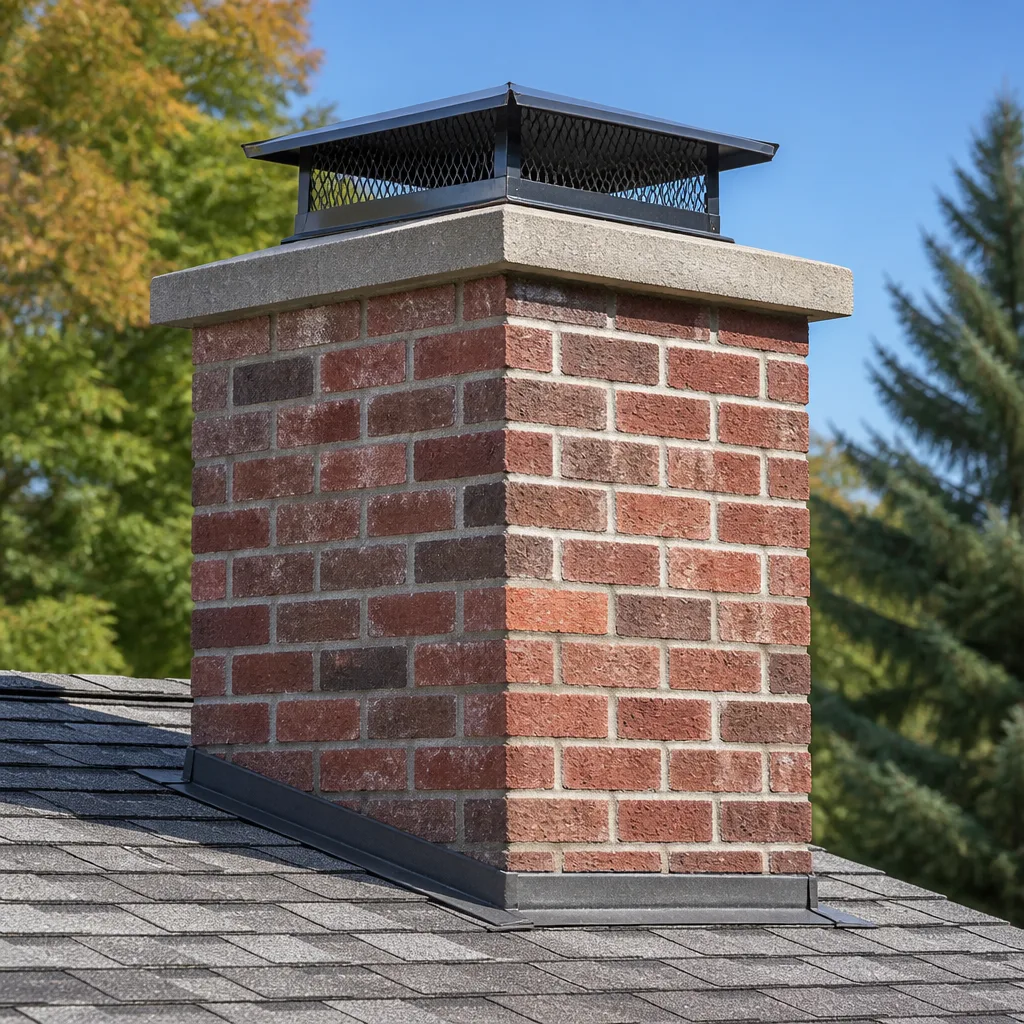
- Crowns and flashing are the first line of defense. Any crack in the crown or a gap in the flashing becomes a path for water straight into the flue structure.
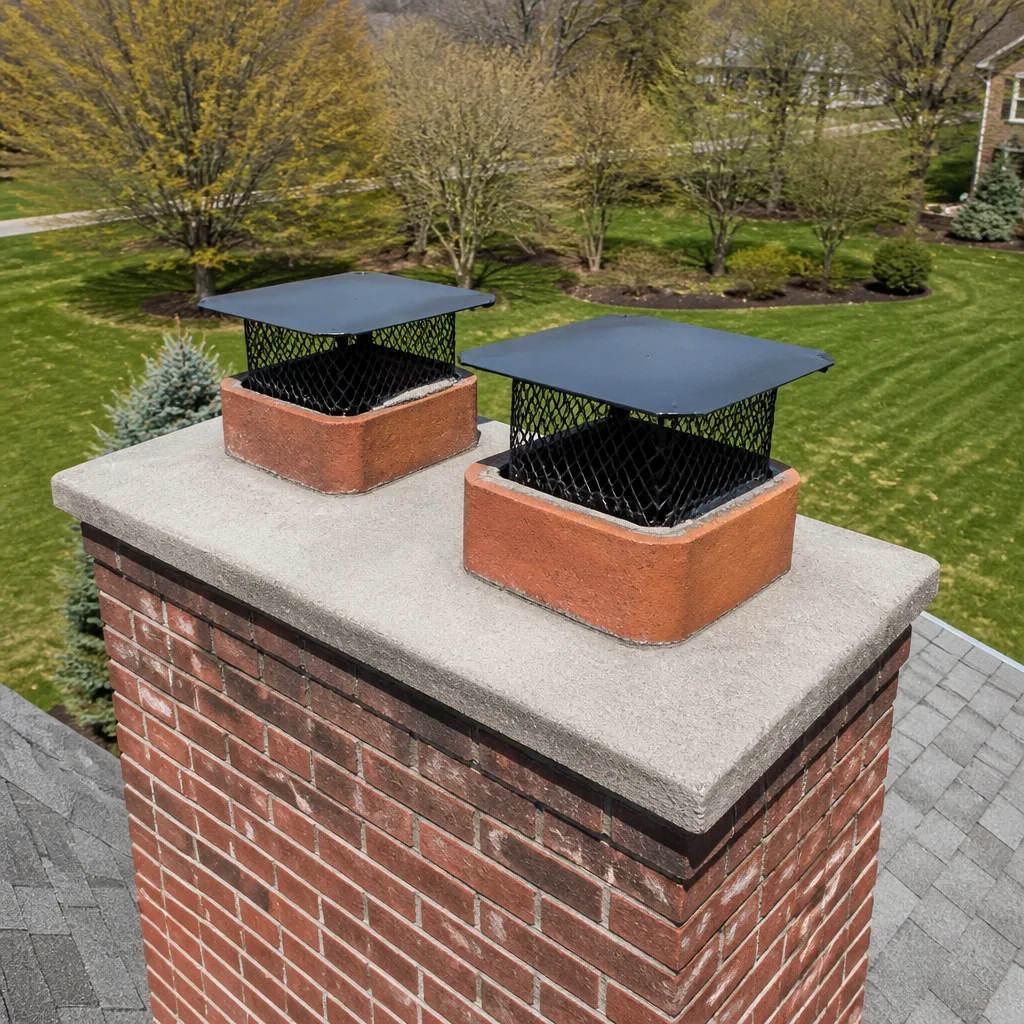
We use professional-grade sealing and repair materials on these jobs, and brand matters for longevity. Copperfield and Olympia Chimney crowns and caps are built to hold up under steady moisture exposure. We inspect the crown and flashing on every visit for exactly this reason. If the exterior of the chimney looks sound but the firebox smells damp, the moisture is coming down the flue itself, which points to a missing rain cap.
Odor Spikes When the Fog Rolls In
One of the most common calls comes in when the weather changes: the fireplace smells like a wet campfire, sooty, and sour, and it only happens on foggy days. That smell is not a sign the firebox is dirty. It’s a sign the chimney is drawing air backward, pushing the smell of old deposits into the living space.
When the outside air is cool and damp and the inside is warm, the pressure balance flips and the chimney becomes a vent pulling air down instead of up. The smell it pulls down is creosote and moisture from the flue. The fix has two parts: reduce the deposits that create the smell, and stop the backdraft that pulls them in.
- Start with a sweep. Any chimney that hasn’t been cleaned in a year or two has deposits to remove. This alone cuts the odor dramatically.
- Seal the damper when the fireplace isn’t in use. A top-sealing damper or a chimney-top cap with a snug seal blocks the reverse draft that brings in the smell.
- Check for leaks at the crown. Water getting in makes everything worse. A cracked crown is common in chimneys exposed to steady moisture and needs repair.
- Verify the flue is clear. Nests, leaves, or a fallen liner let moisture pool and make the odor sharper.
If the smell comes with visible smoke or a draft reversal into the room while a fire is burning, that’s a different problem, covered in the smoke rollback section. Odor with no fire burning is almost always a moisture and backdraft issue, and it’s fixable.
Glazed Creosote and What It Means
Glazed creosote is the worst stage of the three: a hard, shiny, tar-like coating that fuses to the flue walls. It’s also the most dangerous because it ignites at a lower temperature than flaky deposits, and once burning, it’s extremely hard to extinguish. The moisture-heavy air here accelerates its formation, so what would be a milky flaky deposit elsewhere turns gummy faster in Daly City.
Here’s what to look for when you shine a flashlight up the flue:
- Stage 1 (flaky soot): Soft, grey, and easily brushed away. Normal and cleanable with a standard sweep.
- Stage 2 (sticky or gummy): Dark and tacky, clings to the flue walls. Needs more careful mechanical cleaning and sometimes chemical treatment.
- Stage 3 (glazed): Hard, black, and shiny like tar on the flue walls. Not removable with a brush alone; it requires specialized equipment or liner restoration.
A chimney fire is the risk. You may not see one happen. Many chimney fires burn hot for a short time and go out on their own, and the damage shows up later as cracked tiles or a warped liner. Certain warning signs suggest a fire has already happened: puffs of smoke escaping through cracks, a roaring sound like a low-flying aircraft, or visible cracks in the mortar and flue. If you notice any of these, stop using the fireplace and get it inspected before the next burn.
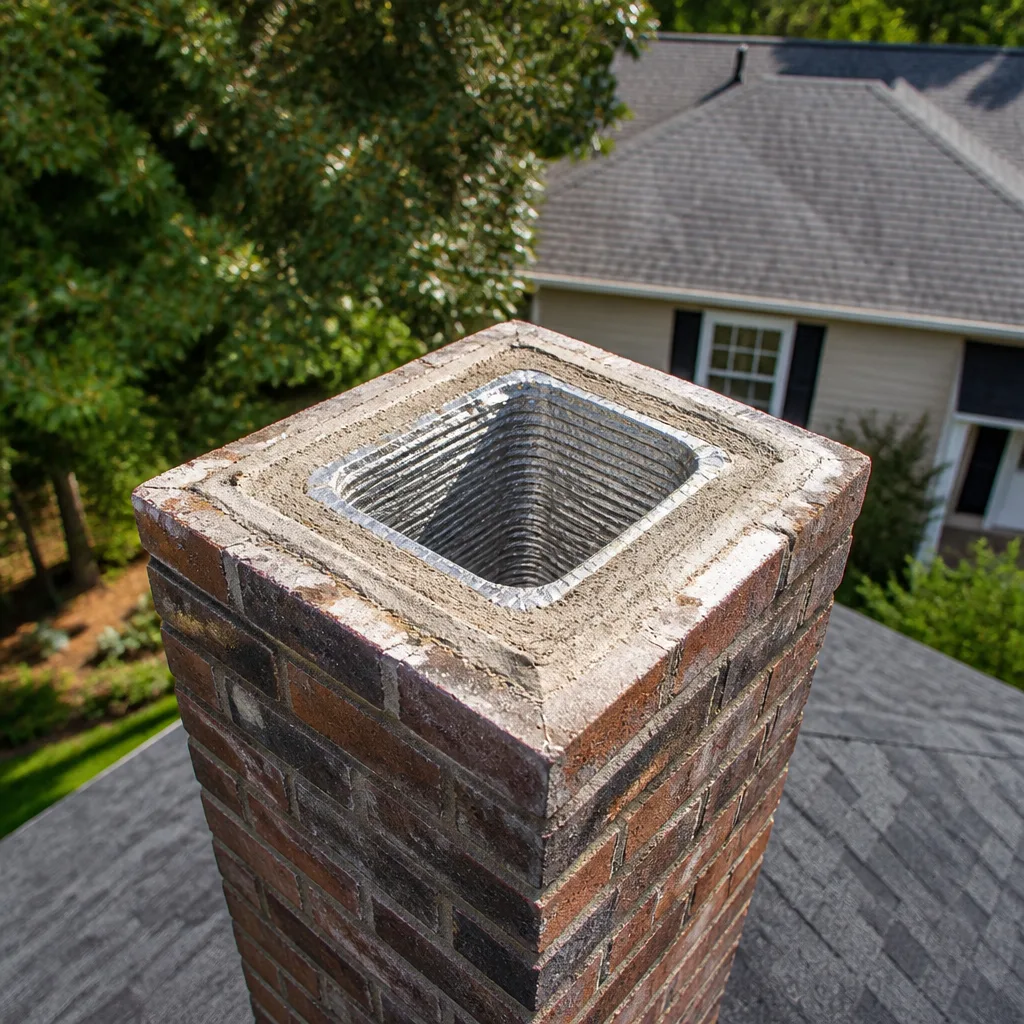
On glazed flues, we sometimes use the HeatShield ceramic resurfacing system instead of a full replacement. It restores the flue interior with a tested, professional-grade material and avoids the disruption of pulling and re-installing a liner. Whether it’s the right fix depends on the flue’s condition, which we can only judge after looking. That’s the whole point of the inspection: to show you what’s actually there before recommending a solution.
Decision Tree: Monitor It or Stop Using It Today
The single most useful question to ask about a chimney problem is: can I use the fireplace while I figure this out, or should I stop now? Here’s the decision tree we use.
Stop using the fireplace immediately if you notice:
- A roaring or hissing sound while a fire is burning. Chimney fire is possible. Get everyone out and call the fire department.
- Visible smoke inside the home that clears when the fire is out and does not return on a small test burn. Suspect a chimney fire that already happened.
- Crumbling mortar, a crack you can fit a coin into, or visible gaps in the flue liner. Structural damage; smoke and carbon monoxide can escape.
- Carbon monoxide detectors going off. Get outside and call for emergency help.
- The smell of gas or solvent with a gas-appliance chimney. Possible leak; stop using and call.
Use with caution, and get a sweep before the next burning season if:
- The flue hasn’t been cleaned in a year or more.
- The draft is slow to establish but works fine once the fire is going.
- You see glazed creosote when you shine a light up the flue.
- The fireplace smells damp on foggy mornings.
Monitor, and get a routine inspection:
- A small flaky deposit visible on the flue walls, within a season of your last cleaning.
- A small crack in the firebox firebrick under a dime in width.
- Odor only when the fireplace is completely cold and the room is closed up.
The general guide is annual inspection and cleaning whenever a sweep is needed. If you’re not sure which category you’re in, stop using the fireplace and get it inspected. It’s the cheapest decision in the long run. Call (866) 885-7416, and we’ll take a look and tell you what we find.
What You Can Check Yourself vs. What Needs a Pro
Some chimney troubleshooting is safe to do yourself. Some is genuinely dangerous, and doing it wrong can cost you your life or your home. Here’s the honest line between the two.
Safe for most homeowners:
- Opening and checking the damper.
- Shining a flashlight up the flue to look for visible blockages or glazed deposits.
- Running the draft test with an incense stick (as described earlier).
- Checking the exterior crown and flashing for obvious cracks or missing pieces.
- Testing the house-fan theory by running a bath fan with the fireplace lit (not recommended as a permanent solution).
- Verifying that your smoke and carbon monoxide detectors work. Replace the batteries and test monthly.
Requires a trained professional:
- Removing glazed creosote from the flue. Brushing a glazed flue can break the liner and leave dangerous deposits behind.
- Relining a chimney or repairing a cracked structural liner. This is where a flexible DuraFlex liner system or a HeatShield resurfacing is used, matched to the flue’s specific geometry.
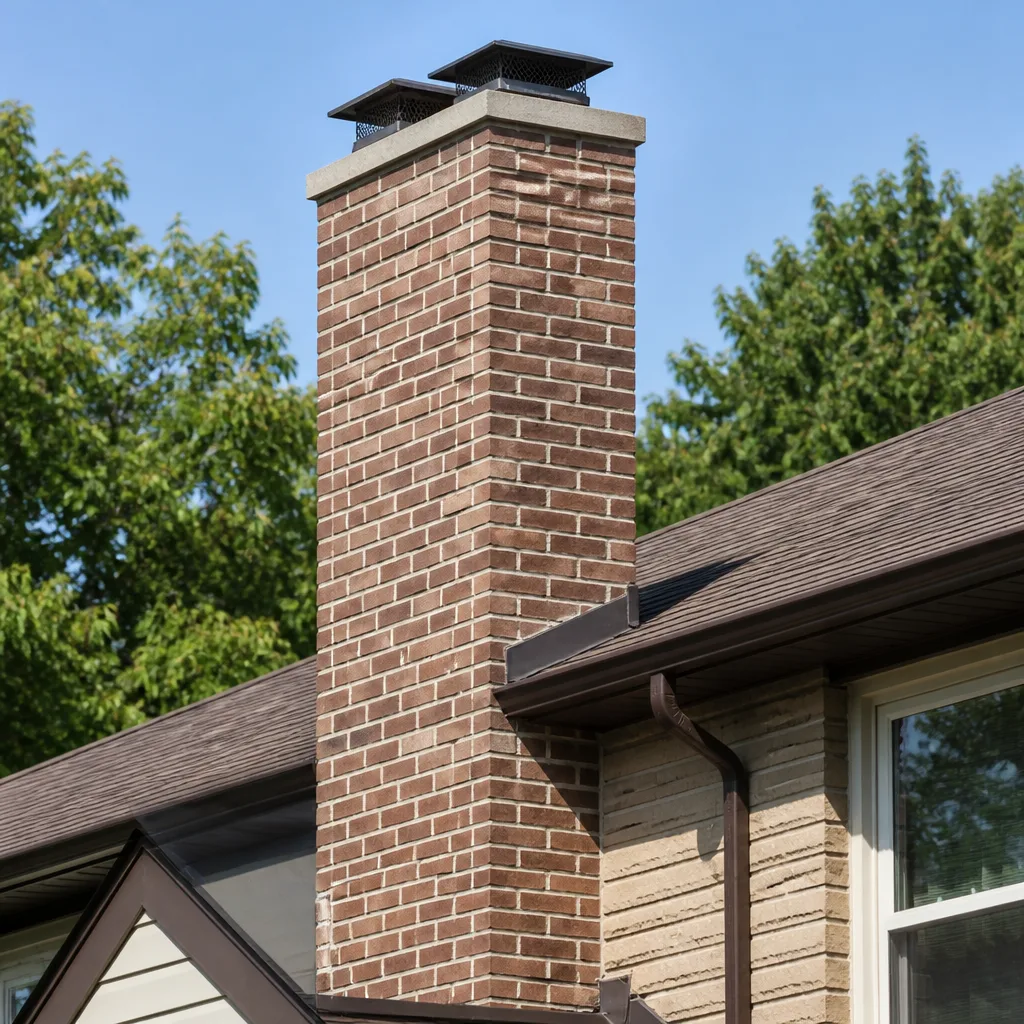
- Repairing the firebox, rebuilding the crown, or repointing the masonry.
- Any gas-appliance work, including any work involving gas piping or combustion air for a gas insert.
- Diagnosing a problem that involves a structural or ventilation issue you can’t see with a flashlight.
If you’re unsure, err on the side of a professional inspection. A licensed and insured chimney professional has the camera equipment to see the problem clearly and the experience to explain it. We use products from DuraFlex, Famco, Copperfield, and Olympia Chimney because those are the lines chimney professionals keep on hand for this work, and the materials are warrantied and proven. That’s not the same as whatever’s cheapest at a hardware store.
Common Mistakes to Avoid
- Assuming a smoky fireplace just needs a sweep. Most smoke rollback in Daly City is a pressure or draft problem, not a dirty flue. Sweeping the chimney won’t fix it. Diagnose it first.
- Ignoring a cracked crown because the fireplace still works. A crown is the chimney’s raincoat. Once it fails, water gets into the masonry and the repair bill goes up fast.
- Burning wet or unseasoned wood. Damp wood creates more creosote faster. In this climate, wood that sat outside through the foggy season is a bad bet. Store firewood covered and let it dry.
- Skipping the annual inspection because “it was fine last year.” Glazed deposits and small cracks can go from minor to serious in a single season. The point of an annual inspection is to catch them early.
- Running a bath fan or dryer while lighting a fire in a tight home. This starves the fireplace of combustion air and reverses the draft. Turn off exhaust fans before you light, or better, fix the pressure balance.
- Hiring a general handyman for chimney work. Chimney problems are their own niche. Masonry repair, liner work, and safe cleaning need tools and materials a handyman isn’t carrying. It’s worth calling a specialist.
- Not checking the smoke and carbon monoxide detectors. The safety net that catches a serious problem is often just a working alarm. Test them monthly and replace the batteries.
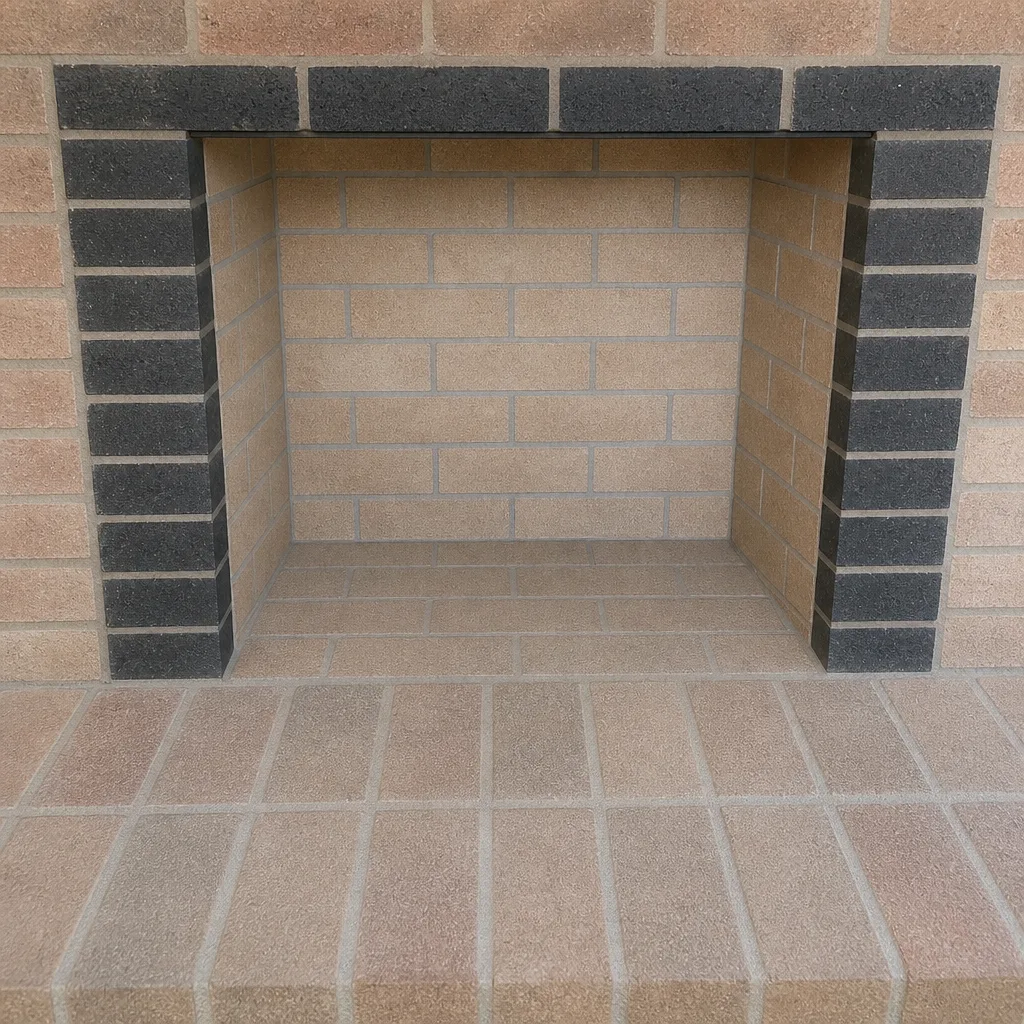
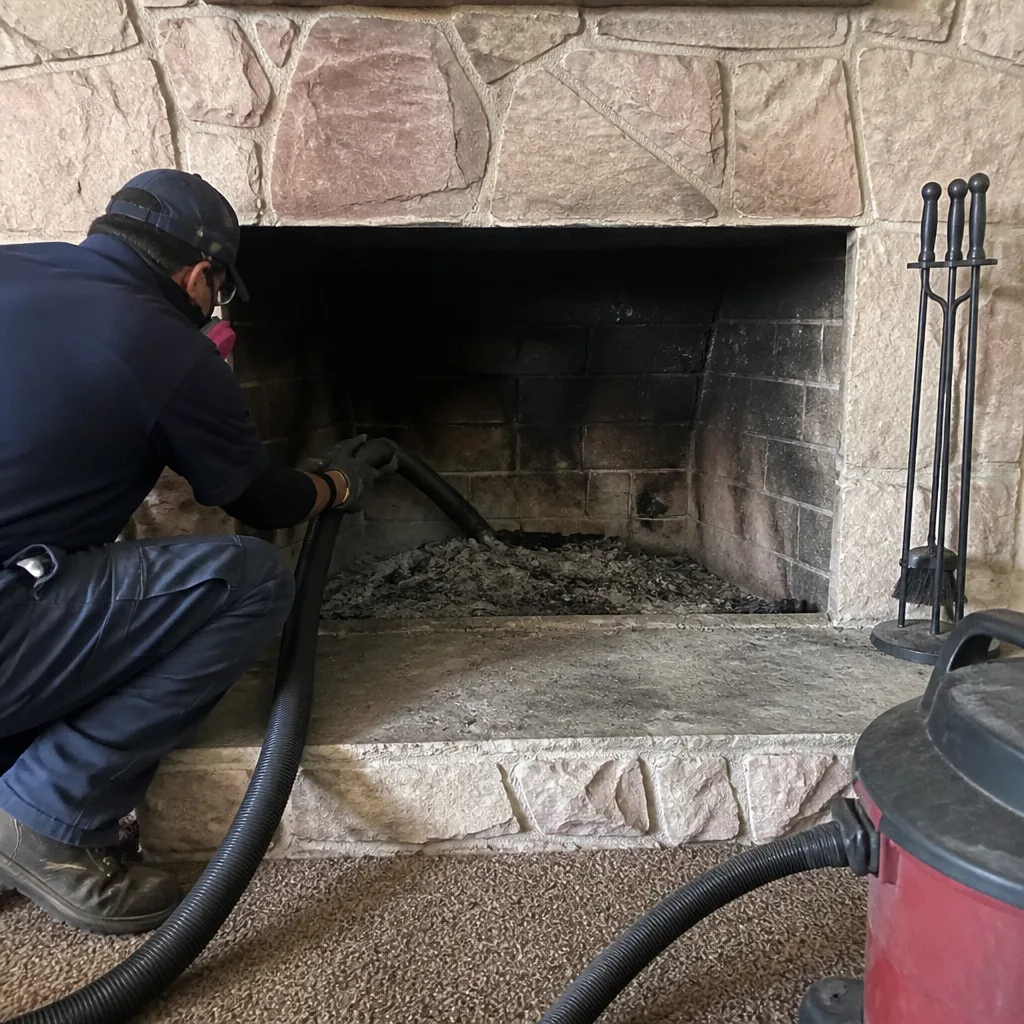
See the difference
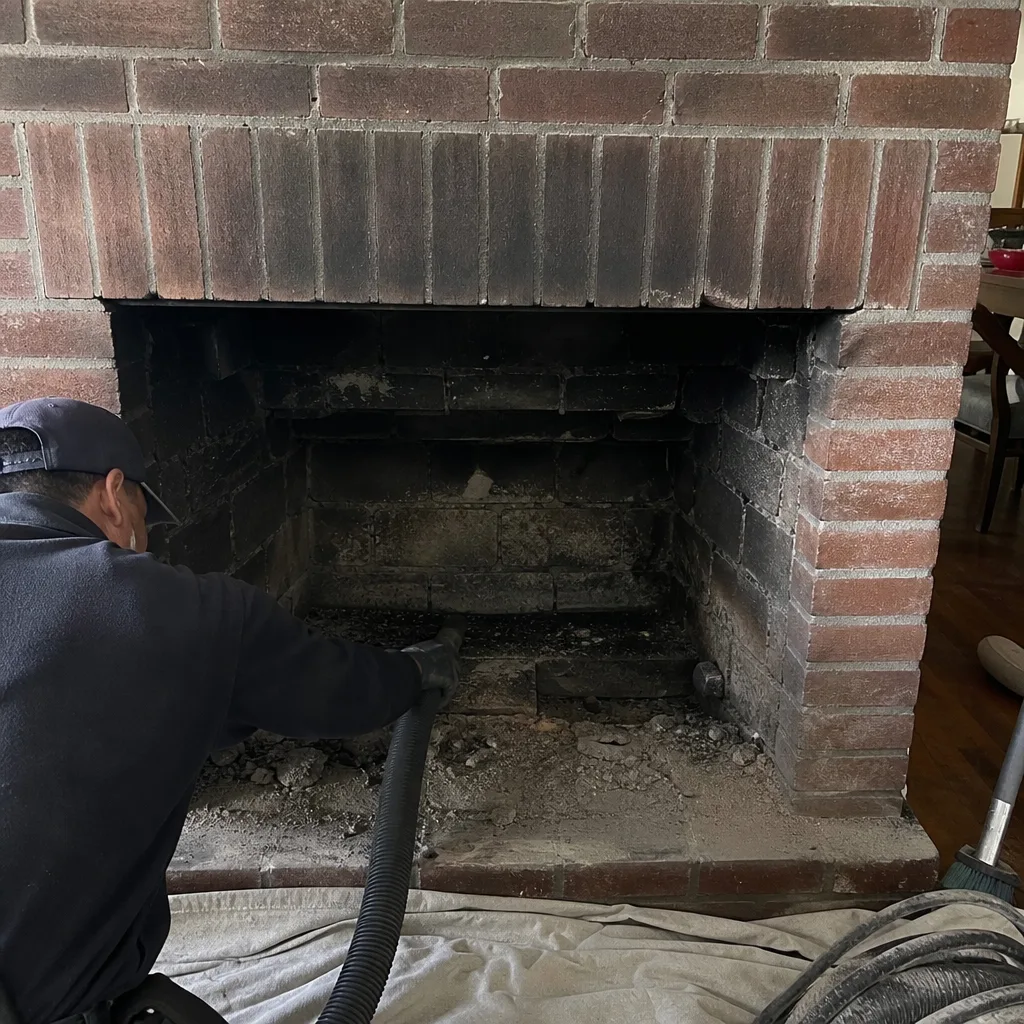 Before
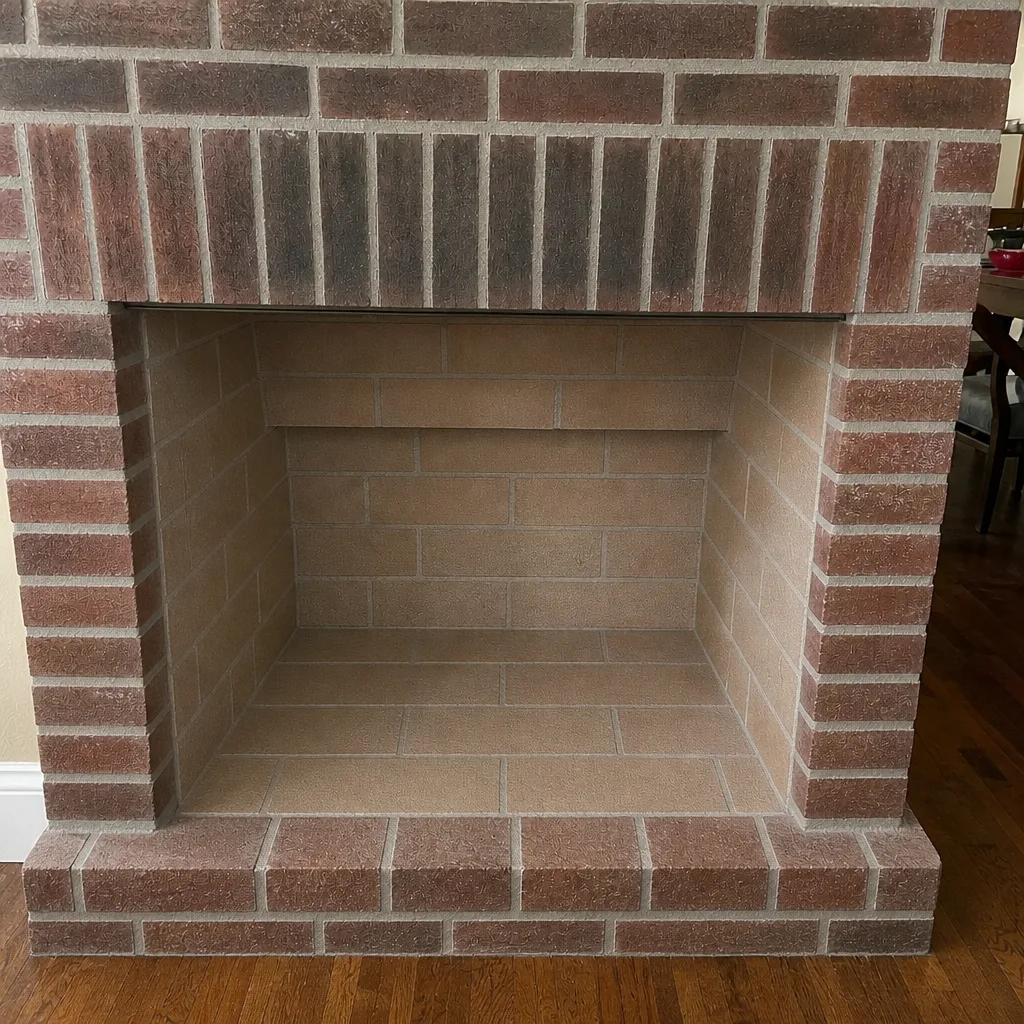 After
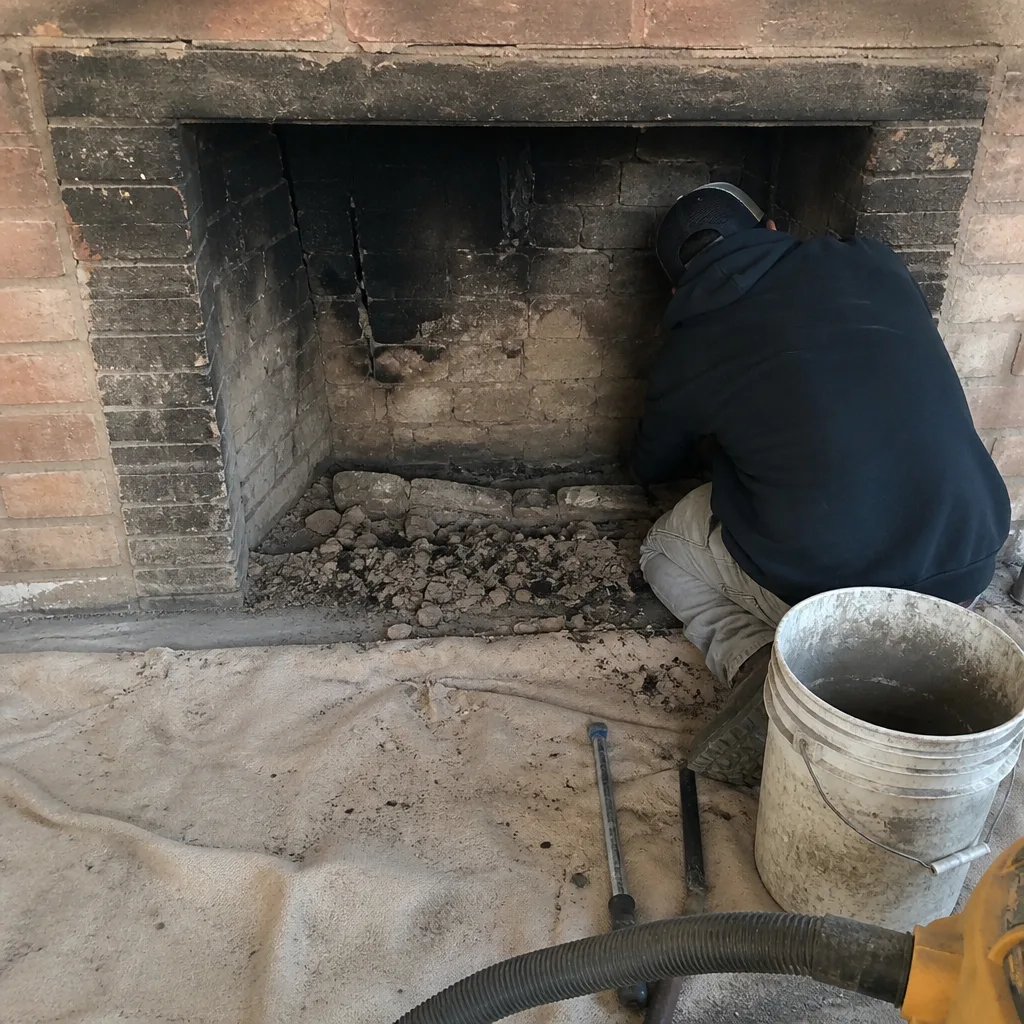 Before
 After
 Before
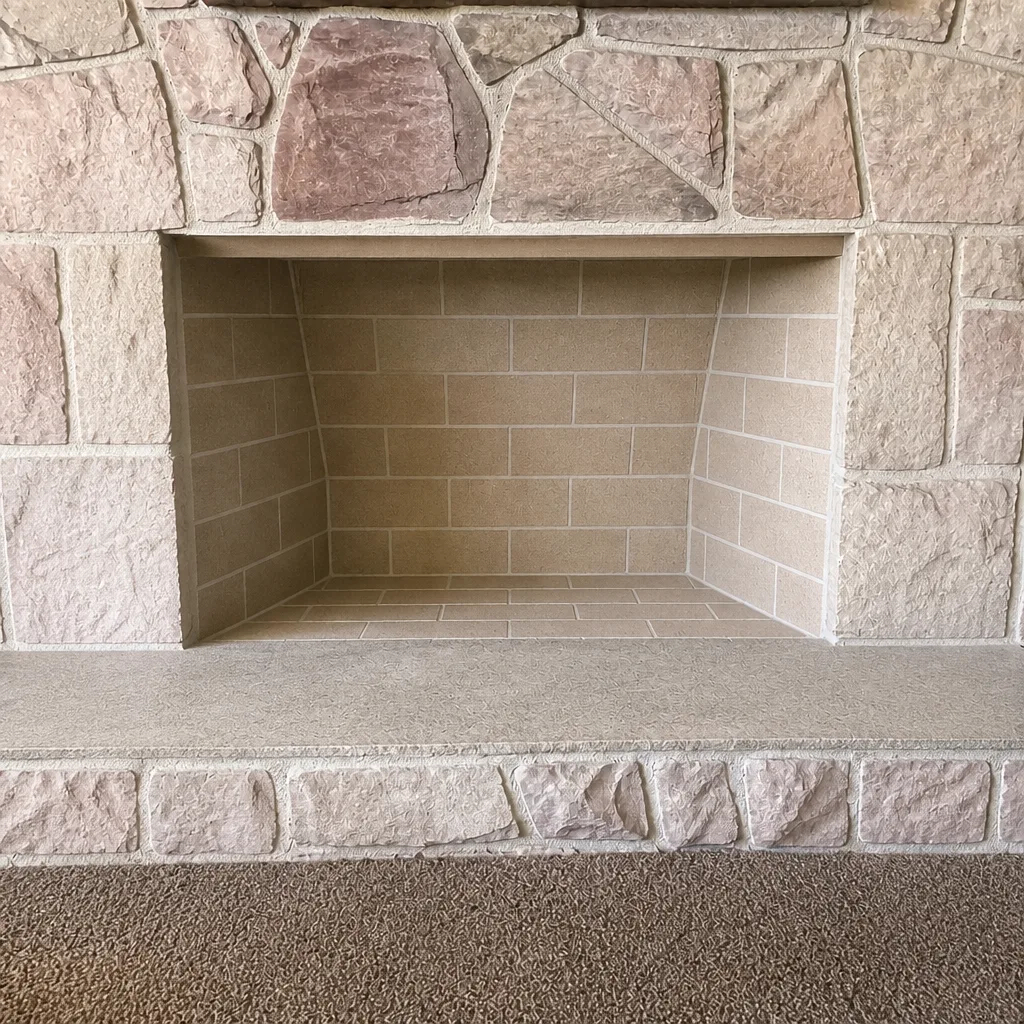 After
When to Call a Professional
Call a professional chimney technician when you spot any of the following: glazed or gummy creosote up the flue; cracked or crumbling masonry; a smoky fireplace that doesn’t clear with a window cracked; a persistent damp smell from the firebox; a carbon monoxide alarm; or doubt about what you’re looking at. Don’t wait for a problem to get worse. In our experience, chimney problems in Daly City cost the least when they’re addressed early, and cost the most when they involve masonry that’s been wet for several seasons. Fast dispatch from 7am to 7pm, Sunday through Friday. For an inspection, a sweep, or an honest second opinion: call (866) 885-7416. Estimates are free, and we show you what we find before we recommend anything.
Frequently Asked Questions
Signs of a blockage include slow or reversed draft, visible debris when you shine a flashlight up the flue, and smoke rolling back into the room even after pre-warming the flue. If the draft test shows smoke hovering or drifting down instead of rising, treat it as a possible blockage and stop using the fireplace until a technician inspects it. Call (866) 885-7416 for an exact diagnosis and free estimate.
The smell gets worse on foggy days because cool, damp outside air creates a pressure inversion that pulls the smell of old creosote and moisture down the chimney into the room. The fix is a sweep to remove deposits plus a top-sealing damper or cap to stop the reverse draft. Call for a sweep and we’ll tell you exactly what’s causing it.
You can do the safe checks, like the draft test and a flashlight inspection, but full cleaning should be done by a professional. The main reason is glazed creosote: brushing a glazed flue can damage the liner and leave dangerous deposits behind. For glazed or gummy deposits, a trained sweep with the right equipment is the safer choice.
Sticky creosote is the middle stage, dark and tacky, and clings to the flue walls. Glazed creosote is the final stage, hard and shiny like tar, fused to the flue, and flammable at low temperatures. Both need professional attention. Stage 2 can often be cleaned with mechanical brushing, while stage 3 may need resurfacing with a product like HeatShield or liner replacement.
Annual inspection is the standard, and it’s the right advice here. The humidity and cool air in this climate speed up creosote formation and masonry moisture damage, so an annual check catches problems in their early stages. If the fireplace is used heavily, or if you burn unseasoned wood, consider a cleaning more often.
That’s a classic negative pressure problem. The bath fan is pulling air out of the house faster than it can come in, so the chimney reverses and pulls air down instead of up. The temporary fix is to crack a window in the fireplace room and turn off the fan when you light a fire. The permanent fix is an outside air intake or a draft-fan cap. Call (866) 885-7416 for an exact quote on either.
Skipping a year in Daly City is riskier than it sounds. Moisture from the fog accelerates creosote buildup and moves it toward the gummy and glazed stages faster than in dry climates. Most sweeps in this area recommend annual cleaning. If your flue hasn’t been checked in a year or more, get an inspection before lighting the next fire.
The Bottom Line
Chimney problems in Daly City are usually more predictable than they look. Smoke rollback means a pressure or blockage problem. Damp odors mean moisture and reverse draft. Glazed creosote means stop using the fireplace and get it inspected. And the annual check catches all three before they turn into structural damage. Chimney Sweep Daly City provides three core services under one roof: inspection, sweep, and repair. The same team that inspects also sweeps and repairs, so there’s no finger-pointing between subcontractors. We use professional-grade materials, not generic substitutes. Call (866) 885-7416. We answer 24/7. Fast dispatch from 7am to 7pm, Sunday through Friday. Free estimates for homeowners across Daly City, and a written estimate that sets the final price before any work begins.
Written by the team at Chimney Sweep Daly City.