
Last updated November 16, 2026
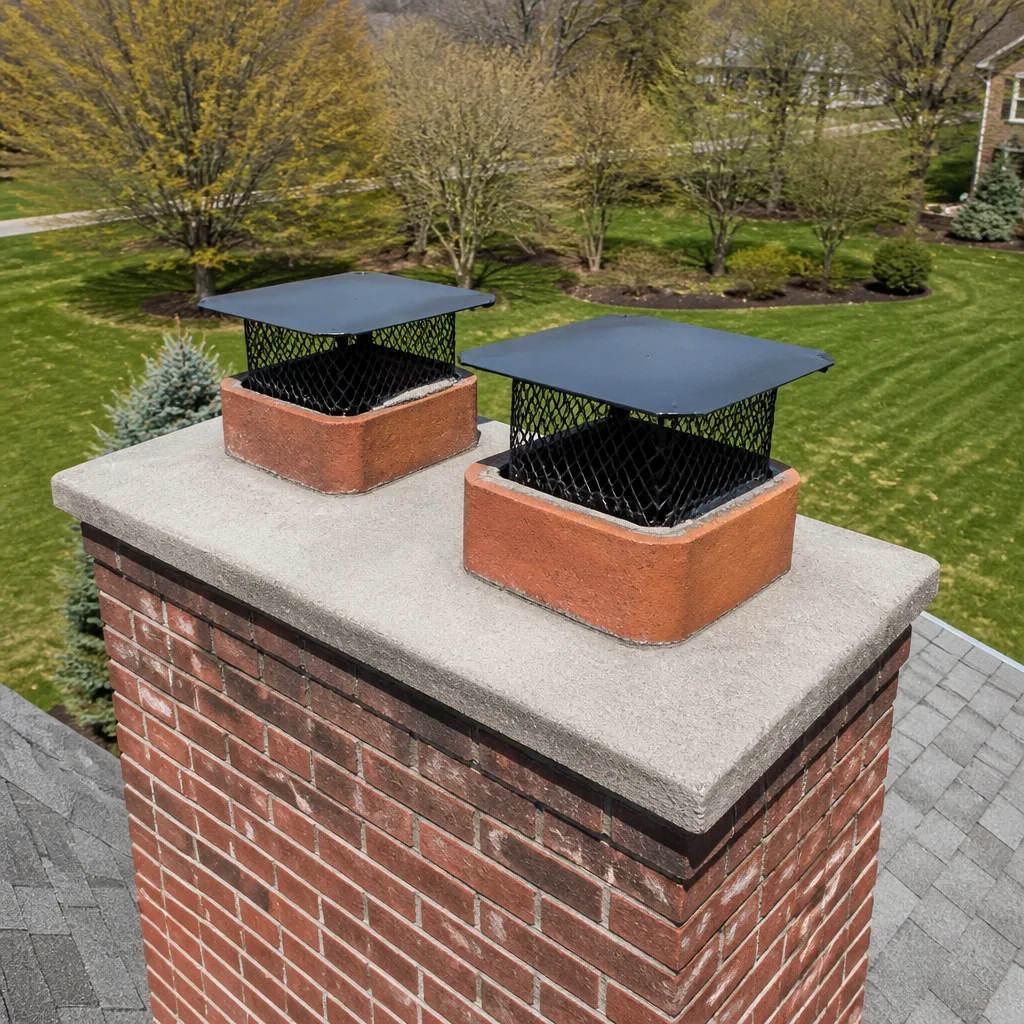 Sweep & inspection
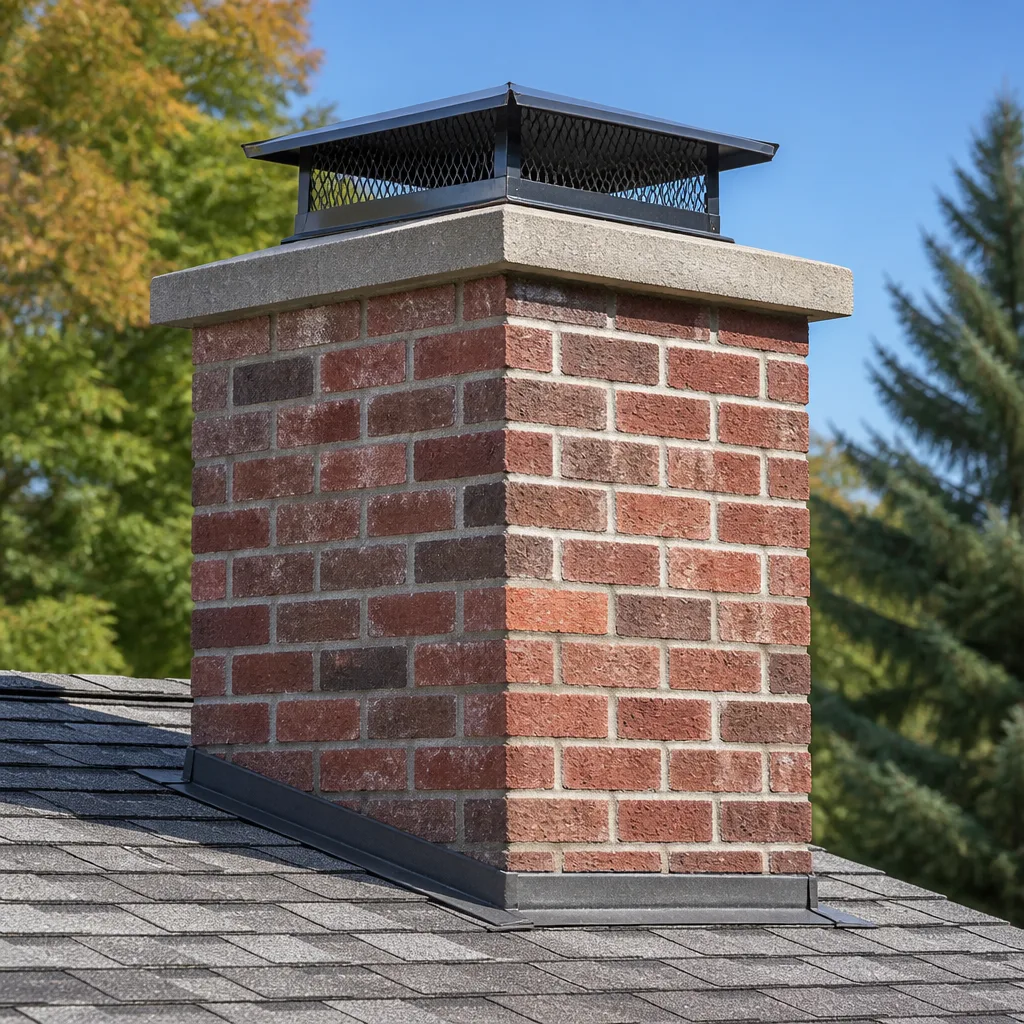 Caps & crowns
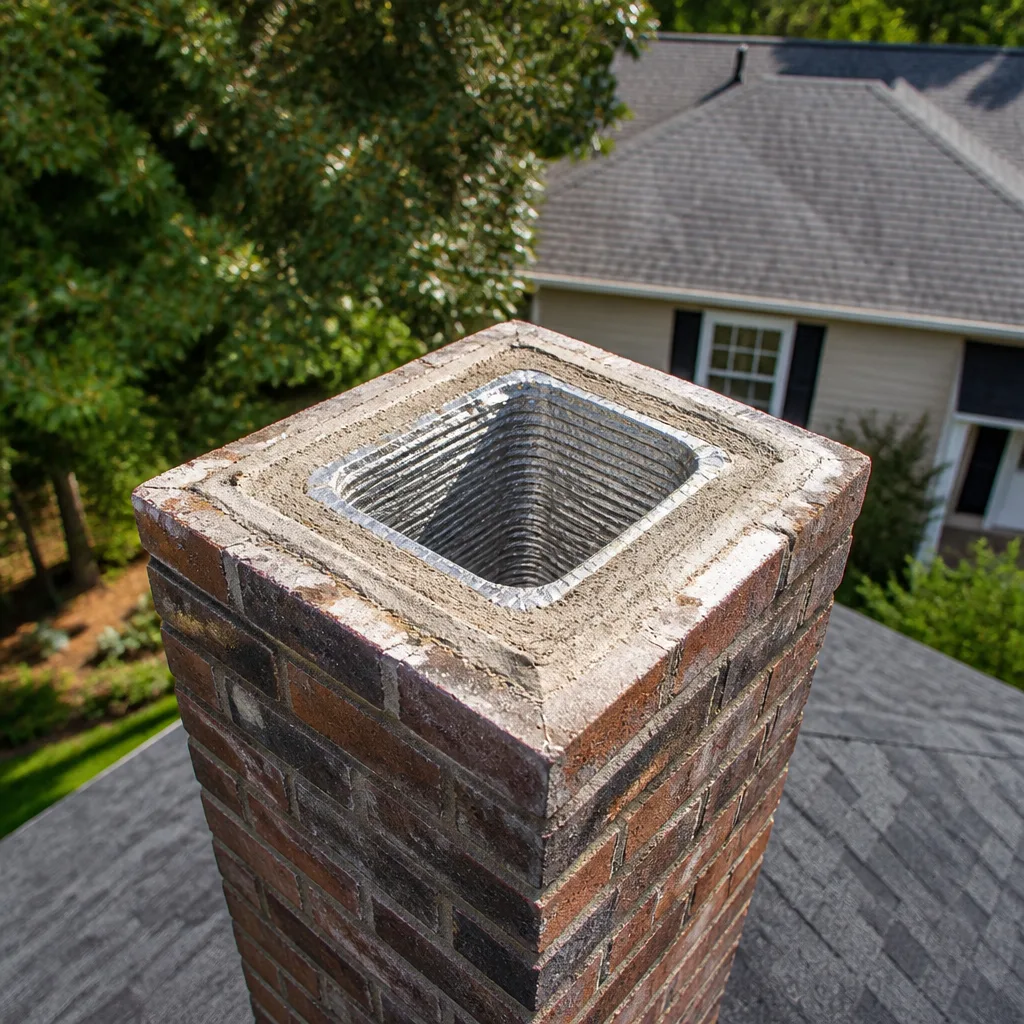 Flue relining
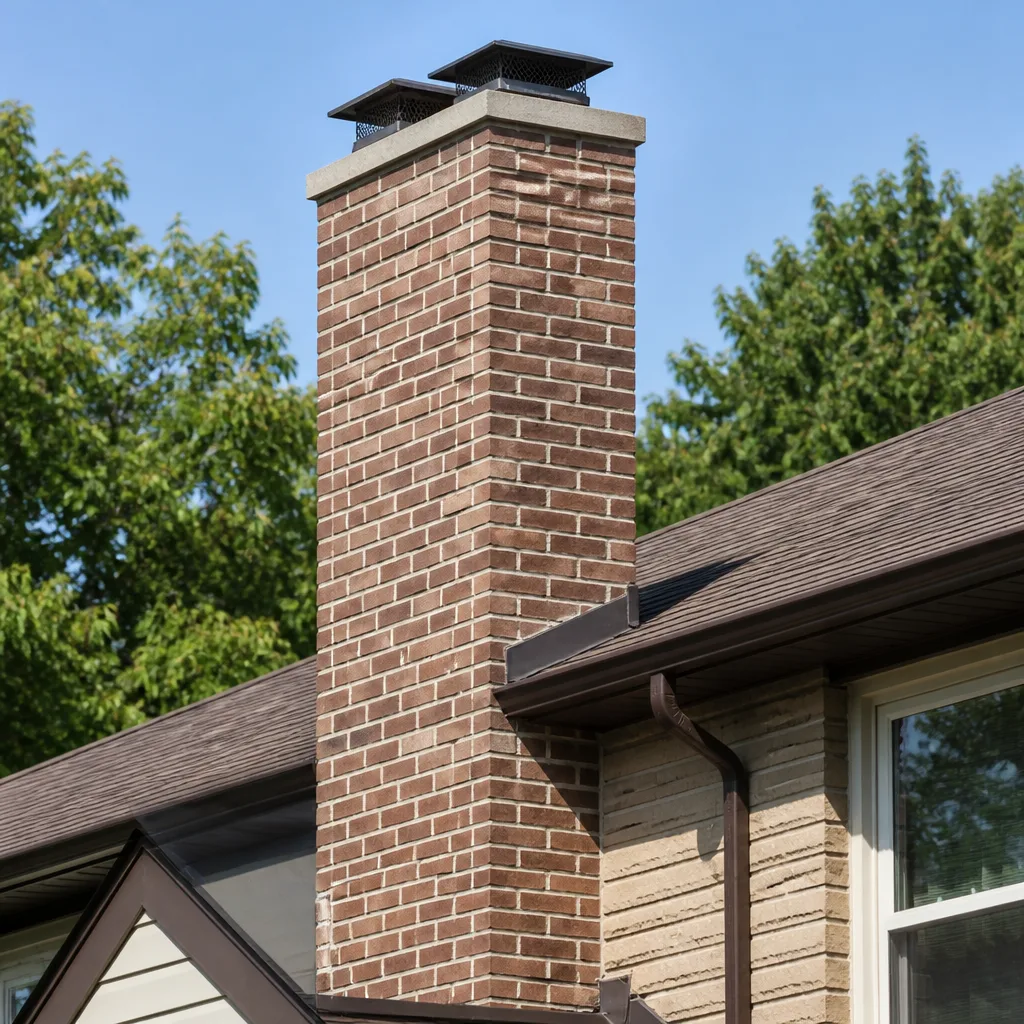 Masonry repair
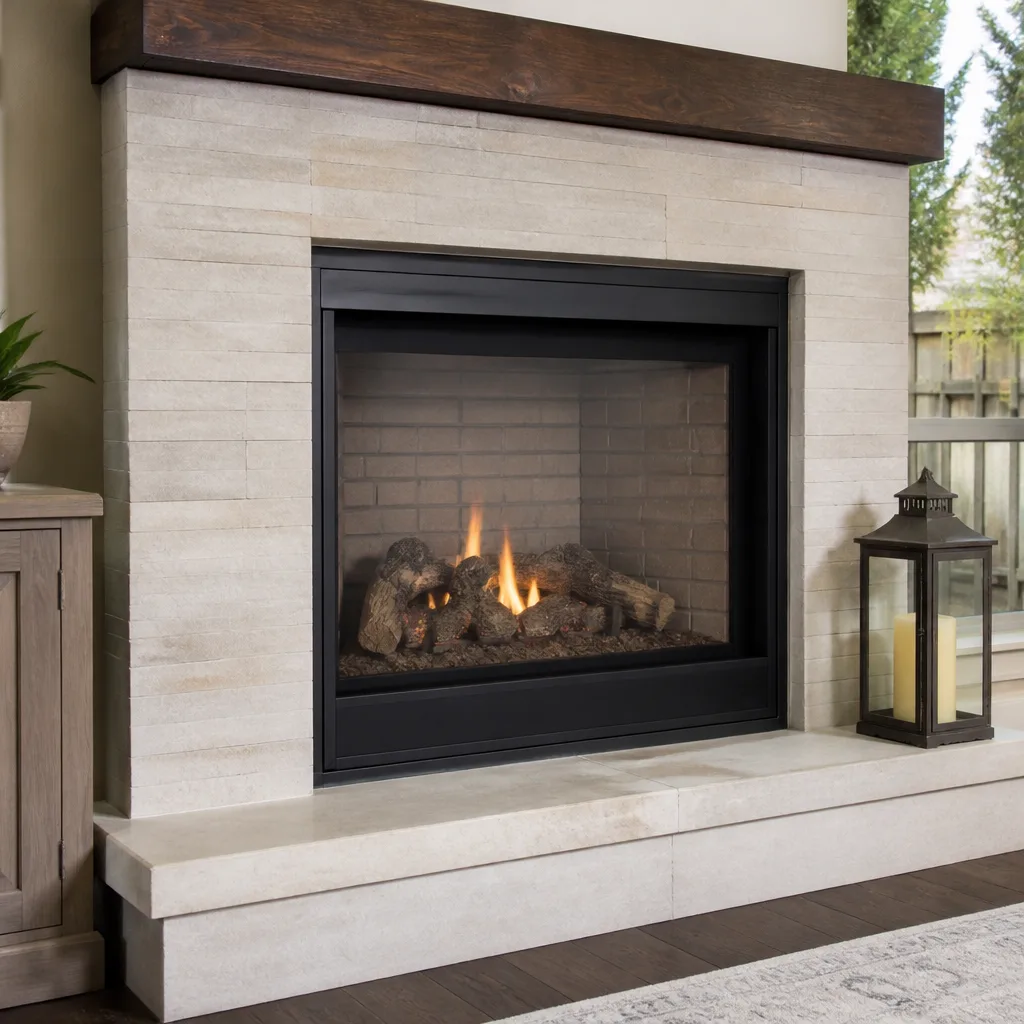 Gas fireplace service
Level 1 sweep and inspection to the NFPA 211 annual standard - flue, crown, cap, and flashing checked and photographed
Chimney sweep logs do not sweep chimneys. They loosen some creosote - which then falls where a brush and vacuum still have to collect it.
Chimney Cleaning Permits, Codes & Inspections in Daly City, CA: What You Need to Know
A chimney relining job done without a permit in San Mateo County doesn’t just risk a fine during construction. It can flag as unpermitted work during a home sale inspection and become your problem to disclose or remediate, even years later. Most homeowners treat chimney work as a single category: somebody comes out, cleans or fixes it, done. In California the law draws a sharp line between cleaning a chimney and altering one, and that line carries real consequences at resale. This guide walks through what Daly City’s building department requires, how NFPA 211 standards interact with local enforcement, what a code-compliant inspection report should contain, and how to verify that any contractor you hire pulled the right permits before work starts.
Quick Answer
Routine chimney cleaning in Daly City does not require a permit. Any repair, liner replacement, or structural modification to a chimney or firebox usually does, under California Building Code provisions administered by Daly City’s building department. Confirm the permit requirement with the city before work begins, and keep the inspection report and permit records on file for insurance and resale.
Styles & brands we work with
- Sweep & inspection
- Caps & crowns
- Flue relining
- Masonry repair
- Gas fireplace service
Table of Contents
- Where Does Cleaning End and Repair Begin Under California Code?
- What Does Daly City’s Building Department Require for Chimney Work?
- How Does NFPA 211 Interact With Local Code Enforcement?
- What Does a Code-Compliant Chimney Inspection Report Look Like?
- How Do You Confirm a Contractor Pulled the Right Permits?
- What If Previous Chimney Work Was Done Without a Permit?
- Why Chimney Records Matter at Resale and for Insurance
- How Daly City’s Housing and Weather Shape Chimney Work
Where Does Cleaning End and Repair Begin Under California Code?
California Building Code treats chimney cleaning as routine maintenance, the same way it treats sweeping a floor or changing a filter. No permit. A licensed technician arrives, removes soot and creosote, checks the flue, and leaves. Nothing about the chimney’s structure changes. The moment the work involves cutting, patching, relining, rebuilding a crown, or repairing a firebox, the job normally crosses into “alteration and repair,” and that category usually triggers a permit.
Here’s how the split typically breaks down in practice:
- No permit normally required: sweeping, soot and creosote removal, a visual condition check, removing a bird nest or debris, resealing a chimney cap.
- Permit usually required: installing or replacing a chimney liner, rebuilding a firebox, repairing or replacing a crown, structural masonry repair, modifying the flue for a new appliance.
- Ask the city directly: anything involving a change of fuel type, a new appliance connection, or a chimney that’s been red-tagged.
We’ve watched homeowners get tripped up right at that boundary. A technician recommends a liner because the flue has cracks. The homeowner hears “repair,” assumes it’s a small fix, and doesn’t ask about a permit. Six months later the work is done, the chimney works, and nobody has a record of it. That’s the gap that causes problems later. Repairs are the category where the permit question matters, and it’s a question for Daly City’s building department before the job starts, not after.
Chimney work in the Bay Area falls under a straight rule: fix the chimney, pull the paper. Cleaning and repair are two different jobs with two different compliance tracks.
What Does Daly City’s Building Department Require for Chimney Work?
Daly City’s building department administers permits for the city itself, and San Mateo County handles unincorporated areas nearby. A typical chimney repair permit is filed before work starts, includes a scope of work and sometimes drawings, and gets inspected at the end. What we tell homeowners in Daly City is simple: call the building department before any repair work is scheduled, describe exactly what’s being done, and ask whether it needs a permit. Get the answer in writing if you can. It takes fifteen minutes and settles the question for good.
In our experience, here’s what the process looks like for a liner replacement or firebox repair:
- Scope is written. The contractor documents what’s being replaced, the material, and the dimensions. That document goes with the permit application.
- Permit is filed with the city. Daly City reviews the scope before work starts.
- Work is completed to the permitted scope. If something unexpected is found mid-job, the scope is amended before the crew continues.
- Final inspection is scheduled. An inspector checks the finished work against the scope and NFPA 211 requirements.
- Records are kept. You should receive a copy of the permit and the final inspection sign-off. Keep it with your home records.
For a straightforward chimney repair job, the permit process is usually quick. It’s the liner replacements that get the most scrutiny, because a liner is the component that keeps combustion gases inside the flue instead of in your living space. An unpermitted liner is not a small paperwork problem.
One more thing that surprises people: getting a permit pulled doesn’t automatically mean the job will pass inspection. A permit is a promise to do the work to code, not proof that it was. The inspection sign-off at the end is what actually closes the loop.
How Does NFPA 211 Interact With Local Code Enforcement?
NFPA 211 is the national chimney and venting standard, and California’s building code incorporates it as the technical baseline for chimney and flue requirements. Local inspectors use it as the standard of care when they review chimney work. That matters because a permit alone doesn’t make a job compliant. An inspector who finds the liner sized wrong, the flue clearances off, or the cap installed incorrectly will fail the job even with a valid permit in hand.
Where this lands in practice:
- NFPA 211 sets the technical standard – flue sizing, clearances to combustibles, liner requirements, how appliances connect to a chimney.
- Local code enforcement applies that standard through the permitting process and inspection.
- Inspection findings follow the standard, so a contractor who works to NFPA 211 from the start tends to pass inspections without drama.
This is where the choice of repair materials comes into play. A liner replacement using a DuraFlex flexible liner system or a restored flue using the HeatShield ceramic resurfacing system is designed around NFPA 211 requirements. Installing generic parts that happen to fit may pass a casual inspection and fail a careful one. When a repair is warranted, we match the fix to a material that’s built for the standard, not improvised.
The practical takeaway for a Daly City homeowner: when you hire for chimney work, ask the contractor whether they work to NFPA 211 and how they verify the flue size and clearances before installing. The answer tells you a lot about how the inspection is going to go.
What Does a Code-Compliant Chimney Inspection Report Look Like?
A proper inspection report covers the full chimney, not just the part the technician can see standing at the hearth. Each NFPA 211 inspection level (Level 1, 2, and 3) has a defined scope, and a good report states which level was performed, what each component’s condition is, and what the camera found. In our experience, the report is the most valuable piece of paper a homeowner gets all year, and it’s the one people throw away.
Here’s what should be in it:
- Inspection level and date. Level 1 is a visual check with the appliance and accessible chimney; Level 2 adds a camera inspection of the flue interior; Level 3 involves opening up a wall when necessary.
- Component-by-component condition. Flue, liner, crown, cap, firebox, damper, smoke chamber, and the appliance connection each get their own note.
- Photo evidence. Creosote buildup, cracks, gaps in the liner, and damage to the crown should be shown, not just described.
- Findings with priority. What needs attention now, what can wait, and what can safely be monitored.
- Contractor identification. The company name, technician, and a statement of what standard was applied.
Why keep this on record? Two reasons. First, your insurer or a future buyer may ask for evidence of chimney condition. A dated report that shows the chimney was inspected and passed, or was repaired and then inspected, answers that question directly. Second, it gives you a baseline. When you have a report from three years ago showing a small crack in the crown and a report from today showing the crack has grown, you know it’s time to act, and you can show why.
We always include a camera inspection and photo report with chimney sweep work so the homeowner can see what we see. Writing “the flue has some buildup” is not an inspection; it’s an opinion. A photo of the flue interior with a ruler is an inspection.
How Do You Confirm a Contractor Pulled the Right Permits?
You confirm it by asking before work starts and checking with the city afterward. The verification isn’t complicated, but it does require action, and a lot of homeowners skip it because they don’t want to seem suspicious. The honest answer is that asking is exactly what a professional expects. Any contractor who pushes back on a permit question is telling you something important.
Here’s the process, step by step:
- Ask before the job is scheduled. “Will this repair require a permit, and will you file for it?” The answer should be direct.
- Ask who pulls the permit. In most cases the contractor files and holds the permit. If they ask you to pull it yourself, ask why.
- Ask for the permit number once it’s issued. A legitimate contractor will have it before work starts. If they can’t tell you the number, work isn’t ready to begin.
- Check with Daly City’s building department. Call or check online with the permit number. It should be filed under the address and reflect the work being done.
- Confirm the final inspection. After the work is done, ask for the sign-off. A permit that was never inspected isn’t finished.
Our approach is straightforward: we tell you whether the job requires a permit, and we coordinate the filings. The Chimney Sweep Daly City team handles inspection, repair, and record-keeping as one job so there’s no gap between what’s filed and what’s done. That matters because an inspector will compare the paper against the chimney. If the scope doesn’t match, the inspection fails.
One more detail. Ask whether the contractor is licensed and insured. California’s Contractors State License Board allows you to look up a license and check its status. We’re licensed and insured, and we never tell a homeowner not to check.
What If Previous Chimney Work Was Done Without a Permit?
You deal with it by getting the work documented and assessed, and asking the city how to bring it into compliance. An unpermitted repair doesn’t mean your chimney is unsafe; it means nobody has verified it. Multiple paths exist, and which one applies depends on what the work was, when it happened, and how the current owner wants to resolve it. The city is the authority here, and the sooner the conversation starts the better.
The general process:
- Get a qualified chimney inspection first. This is the step that actually tells you what you have. A Level 2 inspection with a camera shows whether the unpermitted work is performing correctly or has created a problem.
- Find out what the city requires for compliance. Some cities allow previously unpermitted work to be verified with a retroactive permit and inspection. Others require removal. Ask Daly City’s building department which applies to your situation.
- Decide whether to remediate before selling. Most buyers and their agents will want resolution, and disclosure without remediation is a negotiating point.
- Keep the paper trail. Whatever the resolution is, document it and keep it with your home records.
In our experience, the fear here is bigger than the reality. An unpermitted liner that was installed correctly can often be verified and documented. The problem cases are unpermitted work that was installed incorrectly, which is why an inspection comes first. If previous work was done on the chimney and nobody can produce a permit, that’s a specific reason to call for an inspection before you list the house.
On the flip side, if you’re about to buy a home with a fireplace and the seller can’t produce chimney records, that’s a legitimate condition to add to the inspection contingency. Not a deal-killer, just a conversation.
Why Chimney Records Matter at Resale and for Insurance
Chimney paperwork shows up in two places that surprise homeowners: the home sale process and the insurance claim. At resale, a buyer’s inspector will look at the fireplace and note its condition. If the records don’t match what the inspector sees, or if there’s no record at all, the buyer will want answers before closing. That usually means the seller pays for an inspection and sometimes a repair, on the buyer’s timeline rather than their own.
For insurance, a chimney fire or a smoke backup into the home can turn into a claim where the insurer wants to see evidence that the chimney was maintained. The truth is that most claims are paid without an inspection report, but a documented inspection and sweep record removes the “was this neglected?” question. It’s the same logic as keeping receipts for a roof replacement.
What’s worth keeping:
- Inspection reports with dates, photos, and findings.
- Sweep records showing when the chimney was cleaned and what was removed.
- Permit and inspection sign-offs for any repair work.
- Material documentation if a liner was replaced – the brand and system used.
None of this is glamorous. It’s a folder or a scanned file. But when you sell the house, the folder is the difference between a smooth close and a repair negotiated under pressure. When a homeowner calls us about a chimney in Daly City and asks whether they need to do anything, the answer sometimes is “keep your last report and call us when you notice a change.” That’s a result worth having in writing.
How Daly City’s Housing and Weather Shape Chimney Work
Daly City’s housing stock is split between older single-family homes on sloped lots and a large share of attached and multi-unit construction. That mix changes what a chimney job looks like in practice. On the older detached side, the chimneys are often original masonry, and the flue interiors have the round shape and internal cracks that come with time. Those chimneys are candidates for a HeatShield ceramic resurfacing job in some cases and a full DuraFlex liner in others. The distinction matters because one can cost significantly less than the other.
The attached and multi-unit side is different. Chimneys here share flues or are built against neighboring walls, which means a repair can involve a party wall or a shared structure. That’s a case where confirming permit requirements with Daly City’s building department up front saves real trouble. A repair that touches a shared wall isn’t just about your chimney.
The weather here doesn’t push hard on chimneys the way a cold climate does, but the mild, damp stretch of the winter does something specific: chimneys that sit unused accumulate a bit of moisture and the creosote stays soft and tacky. When the first cool evening arrives and the fire gets lit, that soft creosote can burn hotter than it would in a dry climate. We see that pattern every season. It’s a reason to sweep before the first burn, not after.
The other local factor is the housing age combined with turnover. Daly City homes change hands regularly, and with that turnover often comes a chimney that sat unused for a few years under a previous owner. When new owners move in and light a fire, the chimney has to catch up on years of deferred inspection at once. Getting a baseline inspection after buying a Daly City home with a fireplace is one of the most useful purchases a new owner makes. For anyone looking for Daly City-focused chimney work, the inspection is where the whole relationship starts.
Common Mistakes to Avoid
- Assuming “repair” means “no permit needed.” Some homeowners hear “small repair” and skip the permit question. In most California jurisdictions a liner replacement or firebox repair needs a permit, and skipping it creates a record problem the homeowner inherits.
- Pulling the permit yourself. When a homeowner pulls the permit, the homeowner is responsible for the inspection and the code compliance. Leave the permit with the contractor who’s doing the work.
- Treating an inspection as a sales pitch. A proper report describes condition and prioritizes work. If every inspection turns into a “you need a new liner” recommendation, ask to see the photos before agreeing to anything.
- Throwing away the paperwork. Many homeowners in Daly City keep the inspection report for a week and then lose it. Scan it or photograph it and store it where you can find it at resale.
- Ignoring previous unpermitted work because the chimney works fine. A properly performing chimney with no permit is a minor problem until you sell or make a claim. Later, it’s a bigger conversation with more parties involved.
- Not checking the contractor’s license. California’s Contractors State License Board exists specifically so a homeowner can verify a license. A chimney sweep isn’t a license-exempt handyman category.
- Assuming cleaning implies inspection. Cleaning and inspection are separate services. A sweep that doesn’t include a camera check of the flue isn’t the same thing as an inspection.
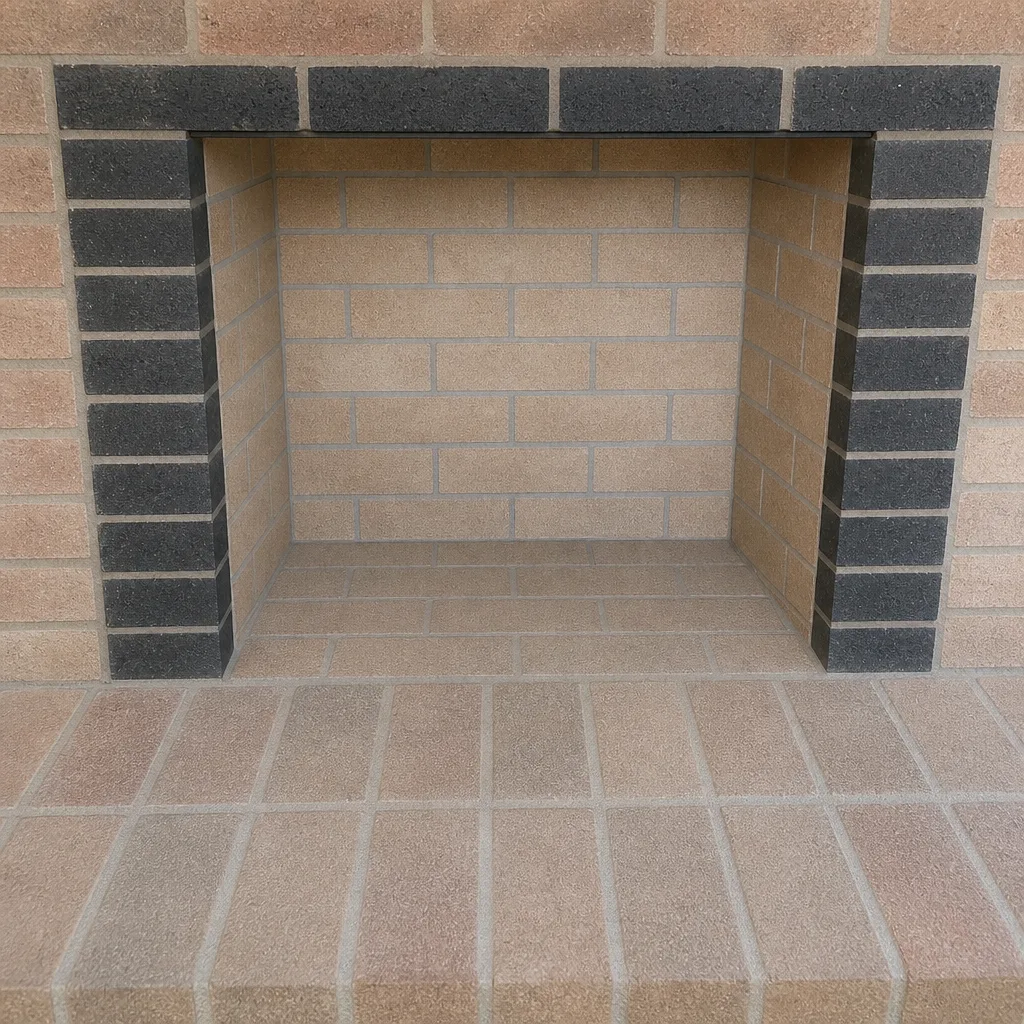
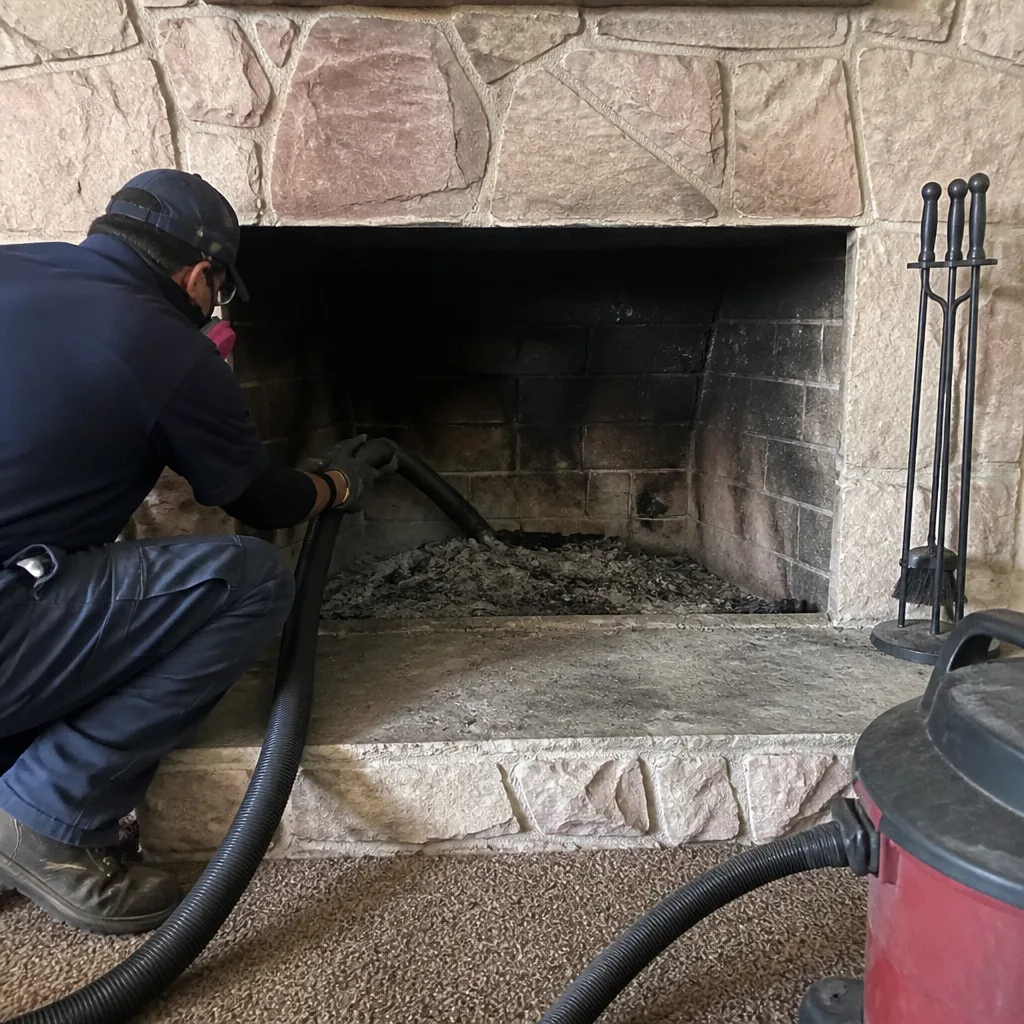
See the difference
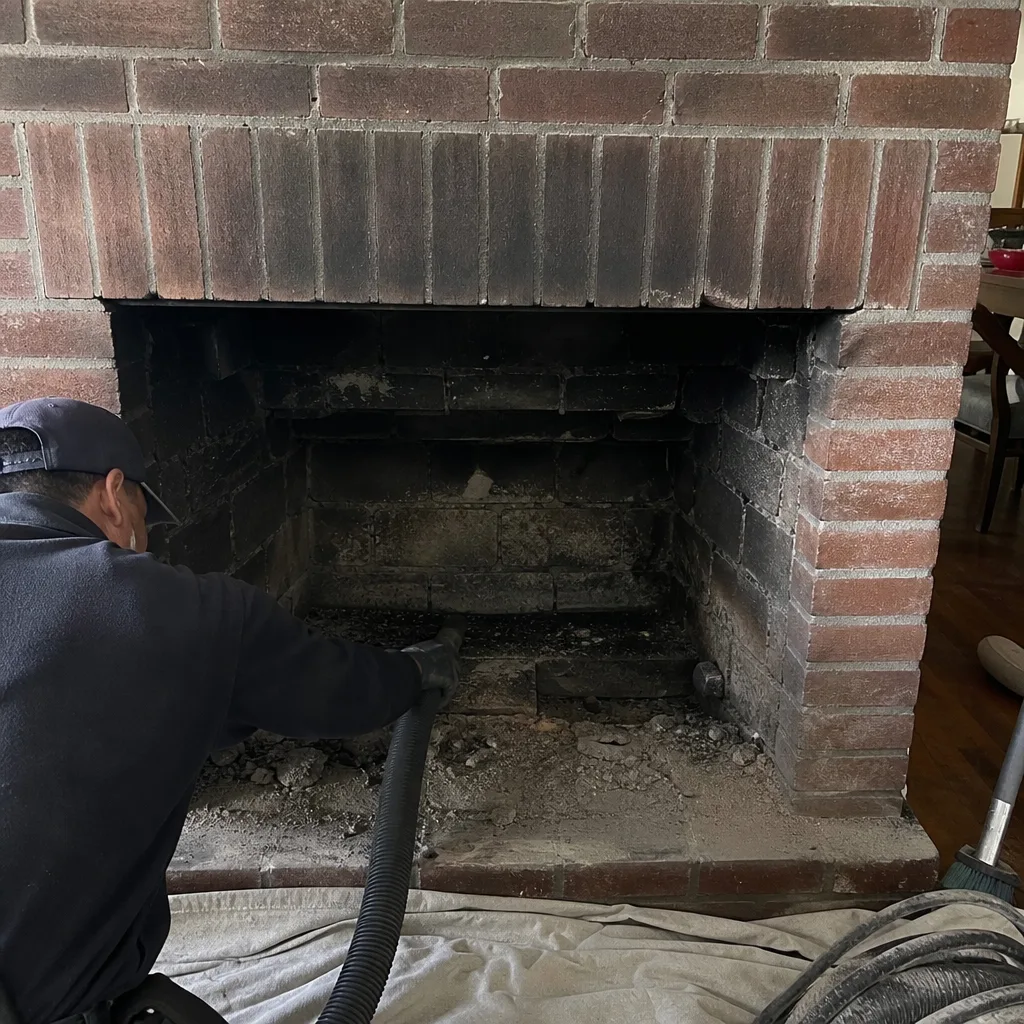 Before
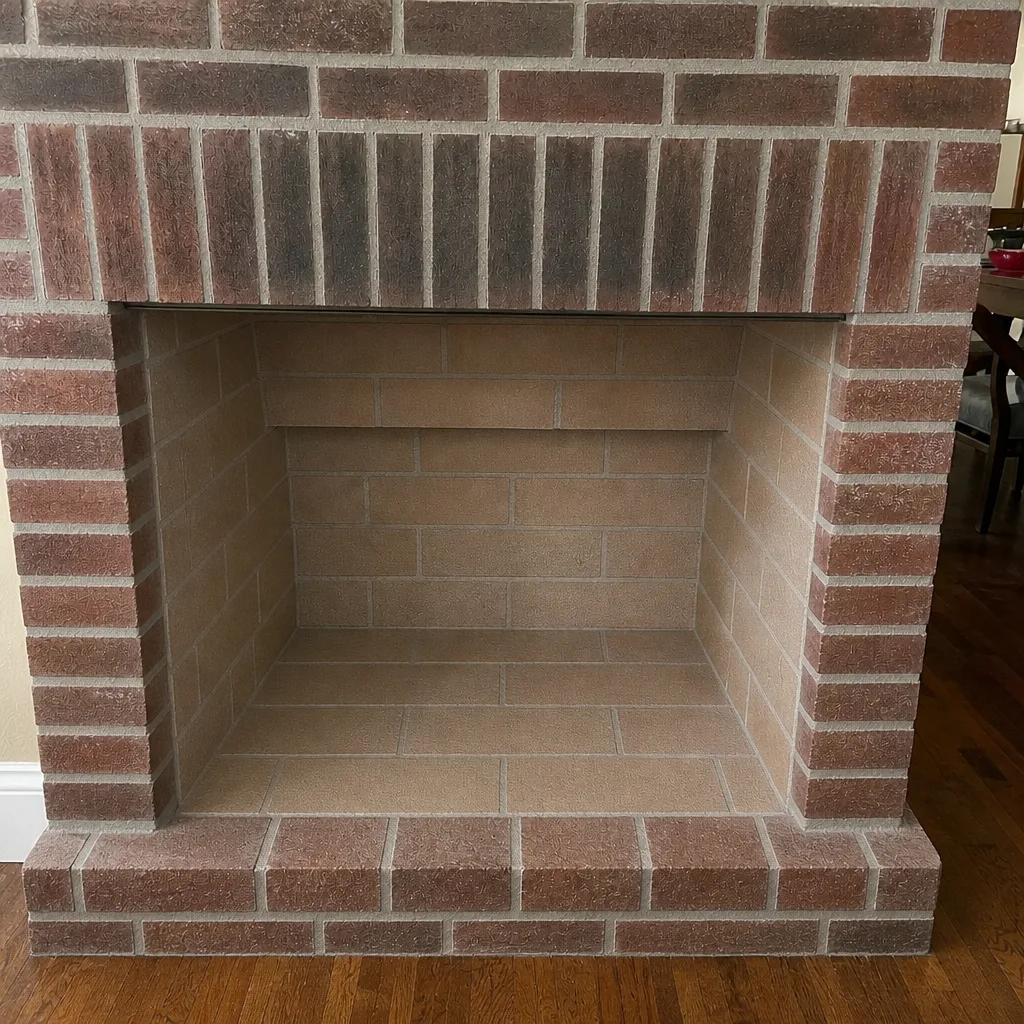 After
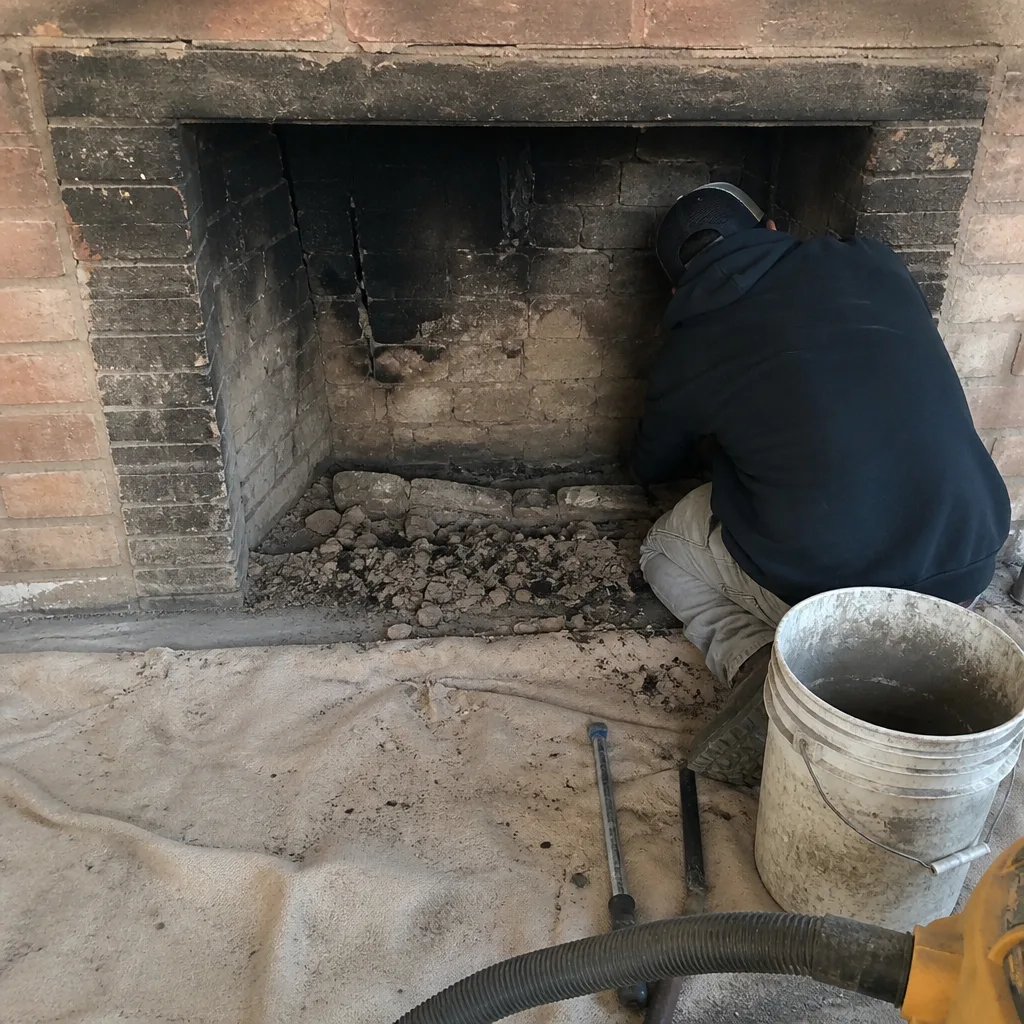 Before
 After
 Before
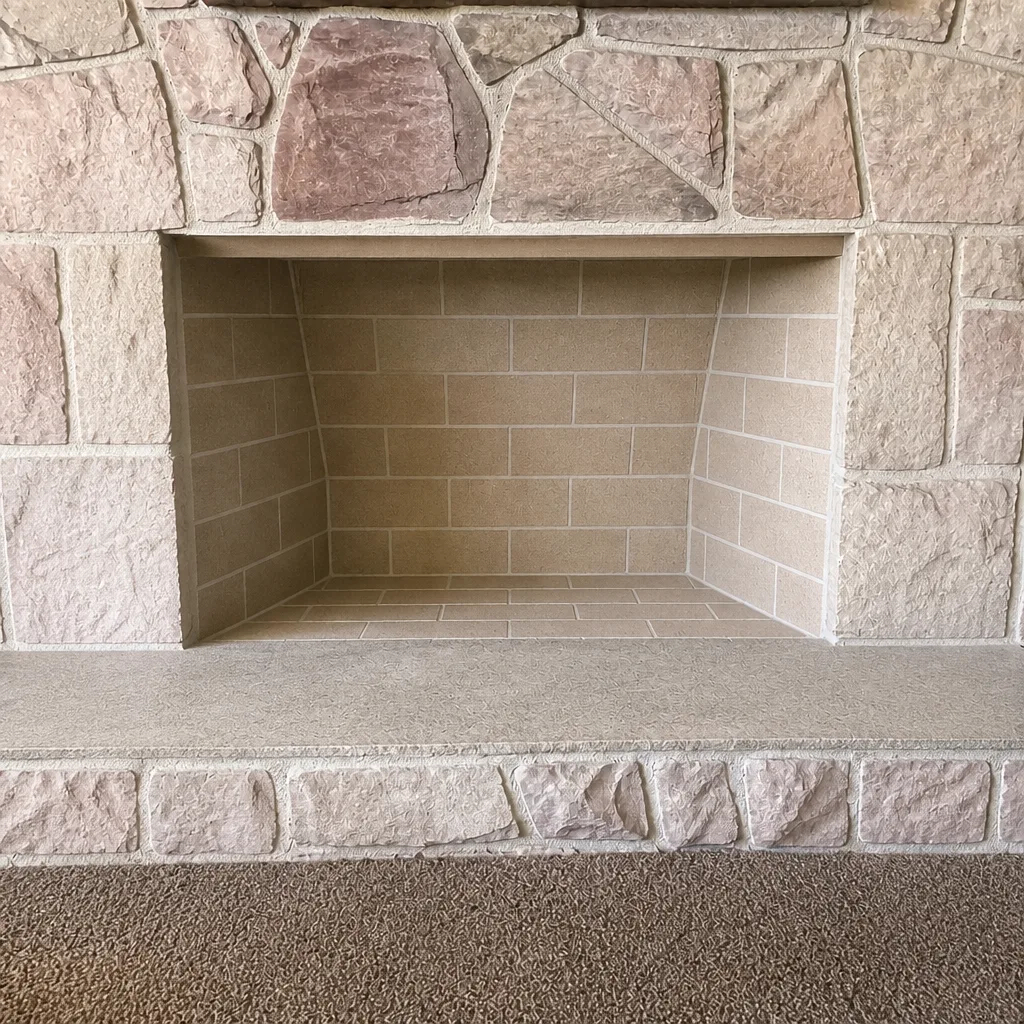 After
When to Call a Professional
Some situations call for a chimney professional without waiting for the season to change. If you’ve noticed smoke rolling back into the room, soot falling into the firebox, a crack in the masonry visible from the ground, or water staining on the ceiling near the chimney, have the chimney inspected before the next fire. If you’ve bought a Daly City home with a fireplace and there’s no record of an inspection, that’s a call. If you’re selling and the buyer’s inspector has flagged the chimney, that’s a call. If the last “sweep” was a decade ago or you don’t know, that’s a call.
Chimney work is dangerous work, and we won’t pretend otherwise. Creosote ignites, carbon monoxide accumulates, and structural failures happen without warning. A trained professional inspects and cleans with the right equipment and the right eye, and the inspection itself is what catches the problems that matter.
Chimney Sweep Daly City offers free estimates in Daly City. Call (866) 885-7416. We answer 24/7. Fast dispatch from 7am to 7pm, Sunday through Friday.
Frequently Asked Questions
No, routine chimney cleaning in Daly City does not require a permit. Cleaning and maintenance fall outside the permitting process under California Building Code, while repair, liner replacement, and structural modification usually do require a permit. If you’re unsure which category your job falls into, call Daly City’s building department and describe the work before it’s scheduled. Call (866) 885-7416 for an exact quote – estimates are free.
In most cases, yes. A liner replacement is treated as an alteration to the chimney, which triggers a permit in most California jurisdictions, including Daly City and unincorporated San Mateo County. The permit process includes a final inspection, and that sign-off is what proves the work was done to code. Confirm with the city before work starts, because jurisdictions vary in how they classify specific replacements. Call (866) 885-7416 for an exact quote – estimates are free.
A code-compliant inspection report should state the inspection level and date, describe each component (flue, liner, crown, cap, firebox, damper, smoke chamber), include photo evidence, prioritize findings into what’s urgent and what can wait, and identify the company that performed the inspection. It should also be clear which NFPA 211 level was applied. A report that just says “chimney is in good condition” without photos is a note, not an inspection. Call (866) 885-7416 for an exact quote – estimates are free.
You can be, in the sense that unpermitted work becomes your problem to disclose and resolve when you sell, regardless of who did it. The fix is to get a professional inspection and then ask Daly City’s building department how to bring the work into compliance. Some cities will verify previously unpermitted work with a retroactive permit and inspection; others require remediation. Call (866) 885-7416 for an exact quote – estimates are free.
Check the contractor’s license through California’s Contractors State License Board, and ask for the permit number before work starts. Once you have the number, you can confirm with Daly City’s building department that the permit is filed under your address for the work being done. After the job, ask for the final inspection sign-off. A legitimate contractor will welcome all three checks. Call (866) 885-7416 for an exact quote – estimates are free.
Skipping the inspection means you’re burning a fireplace with no verified condition record, and that’s the situation that leads to creosote buildup going unnoticed, cracks in the liner going unrepaired, and carbon monoxide risk going unaddressed. The inspection is the low-cost step that catches all three. Chimney fires and CO incidents happen in chimneys that worked fine right up until they didn’t. Call (866) 885-7416 for an exact quote – estimates are free.
The Bottom Line
Cleaning a chimney needs no permit. Repairing, relining, or altering one usually does. In Daly City, that distinction has real consequences at resale, on insurance claims, and when work that skipped the permit process has to be resolved later. Get the city’s answer in writing before repair work is scheduled, keep the permit and final inspection sign-off with your home records, and treat the inspection report as the most useful chimney document you’ll ever own. We work with professional-tier materials (DuraFlex, HeatShield, Gelco, Olympia Chimney, Famco, and Copperfield), and we tell you whether a job needs a permit and handle the paperwork as one job.
Call (866) 885-7416. We answer 24/7. Fast dispatch from 7am to 7pm, Sunday through Friday. Estimates are free and the price for a repair is set per job in writing.
Written by the team at Chimney Sweep Daly City.