
Last updated November 16, 2026
 Sweep & inspection
 Caps & crowns
 Flue relining
 Masonry repair
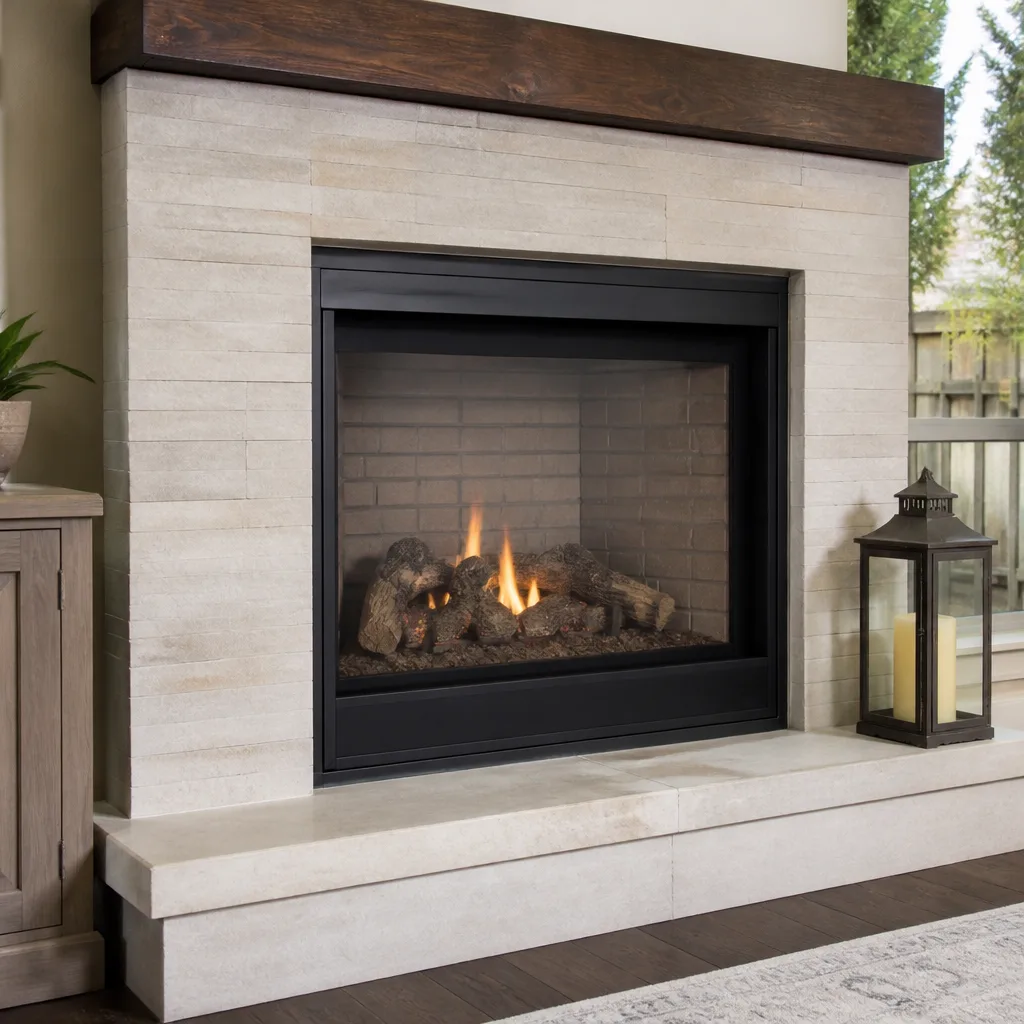 Gas fireplace service
Level 1 sweep and inspection to the NFPA 211 annual standard - flue, crown, cap, and flashing checked and photographed
Chimney sweep logs do not sweep chimneys. They loosen some creosote - which then falls where a brush and vacuum still have to collect it.
Chimney Cleaning Emergency Preparedness Guide for Daly City Homes
A chimney fire doesn’t always announce itself with a roar. Sometimes it’s a low crackling sound, a rumble you mistake for wind in the flue, or a faint smell of burning that doesn’t match what’s in the firebox. By the time flames are visible at the chimney top, the fire department is usually already on the way. The gap in most Daly City homes isn’t equipment or extinguishers. It’s knowing what the early version of a chimney emergency sounds and smells like, and knowing which maintenance failures lead up to it. This guide walks through the three most common chimney emergencies, the warning signs that come first, what to do in the first five minutes, and how a chimney that’s been through a fire or blockage gets back to safe use.
Quick Answer
Most chimney emergencies in Daly City start with deferred maintenance, not bad luck. Creosote buildup, a blocked or damaged flue, and a stuck damper are behind the vast majority of chimney fires, carbon monoxide events, and smoke backups we see. A yearly professional chimney sweep and inspection catches those conditions before they become emergencies. If you suspect a chimney fire right now, get everyone out, call 911, and don’t use the fireplace again until a Level 2 inspection has cleared it.
Styles & brands we work with
- Sweep & inspection
- Caps & crowns
- Flue relining
- Masonry repair
- Gas fireplace service
Table of Contents
- The Three Most Common Chimney Emergencies in Bay Area Homes
- First Five Minutes: What to Do (and Not Do) in a Suspected Chimney Fire
- Carbon Monoxide and Your Chimney: When a Blocked Flue Turns Dangerous
- What Emergency-Ready Chimney Maintenance Looks Like
- Warning Signs You Should Never Ignore
- Post-Emergency Protocol: Why a Fired Chimney Cannot Be Used Until Inspected
- Seasonal Preparedness Checklist for Daly City Homeowners
- Common Mistakes to Avoid
The Three Most Common Chimney Emergencies in Bay Area Homes
Chimney emergencies in the Bay Area aren’t random. They cluster around three specific events, and each one has a maintenance failure that reliably precedes it. Knowing the pattern is the whole point of preparedness.
1. Chimney fires
Chimney fires happen when creosote, the tar-like residue left by burning wood, ignites inside the flue. Creosote builds up fastest in chimneys that burn unseasoned wood, burn with the damper partially closed, or go long stretches between cleanings. A small fire can burn itself out with no obvious damage, which is exactly what makes it dangerous: the chimney may look fine while the flue liner has been cracked or glazed. The maintenance failure behind almost every chimney fire is a flue that wasn’t swept when it needed to be.
2. Carbon monoxide events
A blocked, cracked, or disconnected flue sends exhaust back into the home instead of up and out. With gas appliances and gas inserts, that exhaust carries carbon monoxide, which has no smell and no color. The preceding failure is usually a flue that was never inspected after a blockage or a deteriorated liner.
3. Sudden blockages
Nests, leaves, and fallen masonry can close off a flue without warning. Smoke that curls back into the room on a cold start, or a fire that struggles to draw at all, often means the flue is blocked. The preceding failure is a chimney cap that’s missing or damaged, letting debris in year after year.
In our experience across Daly City, all three trace back to a chimney that went more than a season without professional inspection. That’s a fixable problem, and it’s the whole argument for scheduling a chimney repair visit the moment something looks off rather than waiting for a crisis.
First Five Minutes: What to Do (and Not Do) in a Suspected Chimney Fire
When you suspect a chimney fire, the order of the next five minutes matters more than anything else in this guide. The steps below are standard fire-safety guidance, and every member of your household should know them before a fire ever starts.
- Get everyone out of the house. Move people and pets to the yard or sidewalk, well away from the chimney. Do not stop to gather belongings.
- Call 911. Tell the dispatcher you suspect a chimney fire, even if you can’t see flames. Fire departments respond to chimney fires routinely and will confirm whether the fire has spread into the structure.
- Close the firebox doors or screen, if you can do so safely. Starving the fire of oxygen can slow it while you wait. Do not reach into the firebox or try to move burning logs.
- Wait outside for the fire department. Do not go back in for a phone, a jacket, or a pet that can be retrieved by firefighters.
- Do not use water on the fire. Pouring water into a hot firebox or flue can crack the liner and send superheated steam and soot back into the room.
- Do not assume it’s out because the noise stopped. Many chimney fires burn out on their own but leave damage behind. Only the fire department can confirm the fire is fully extinguished.
What not to do is just as important as the steps above. Never climb onto the roof to inspect or extinguish a chimney fire yourself. Never close the damper to “smother” a fire you haven’t verified is out. And never relight the fireplace after any suspected fire, even hours or days later, until it’s been inspected.
Carbon Monoxide and Your Chimney: When a Blocked Flue Turns Dangerous
Carbon monoxide is the part of chimney safety homeowners underestimate most. A blocked or damaged flue doesn’t always send smoke into the room where you’d see it. With gas-burning appliances and gas inserts, the exhaust is largely invisible, and if the flue can’t carry it up and out, it backs up into living space instead.
Daly City homes with gas inserts, gas furnaces tied to a chimney, or gas water heaters venting through a flue are all at risk if the flue is compromised. The patterns we watch for:
- A blocked flue. Nests, debris, or a collapsed liner section can trap exhaust at the top and force it back down.
- A cracked or disconnected liner. Exhaust escapes through the crack into the chimney chase and finds its way into the house.
- A negative-pressure house. Modern homes are tighter than they used to be. When a bath fan or kitchen exhaust runs while a gas appliance is operating, it can pull exhaust backward through the flue.
- A missing or loose chimney cap. Birds build nests and debris drops in, and nothing keeps rain or animals from entering the flue between burning seasons.
Carbon monoxide alarms are a legal requirement in California homes and belong on every level of a house, but they’re a backstop, not a substitute for inspection. We’ve seen flues that passed a visual check from the firebox but were blocked twelve feet up, past the point anyone could see. A camera inspection is the only reliable way to know the flue is open and intact top to bottom. If your home uses a chimney-vented gas appliance, make sure your CO alarms work and get the flue inspected on a regular schedule.
What Emergency-Ready Chimney Maintenance Looks Like
Emergency preparedness for a chimney comes down to two maintenance items. Keep the flue clean and keep the damper working, and you prevent the majority of the emergency scenarios described in this guide. Everything else is detail.
Item 1: A clean flue
A clean flue means creosote stays below the level that can ignite. How often you need a sweep depends on how much you burn and how well your wood is seasoned, but the standard guidance is to have the chimney inspected annually and swept whenever the creosote layer reaches a quarter inch. In Daly City, where a fireplace is often used on cool evenings through the fall and winter rather than as the primary heat source, a yearly sweep is usually enough. Homes that burn daily through the season may need more frequent cleaning.
Item 2: A working damper
The damper is the metal plate above the firebox that controls airflow. It should open fully and close snugly. A damper that sticks open wastes heat and lets cold air in. A damper that won’t open fully can cause smoke to back up into the room, and a damper stuck partway can send creosote buildup climbing faster than it should. During a yearly visit, we open and close the damper and check that it seals and moves cleanly.
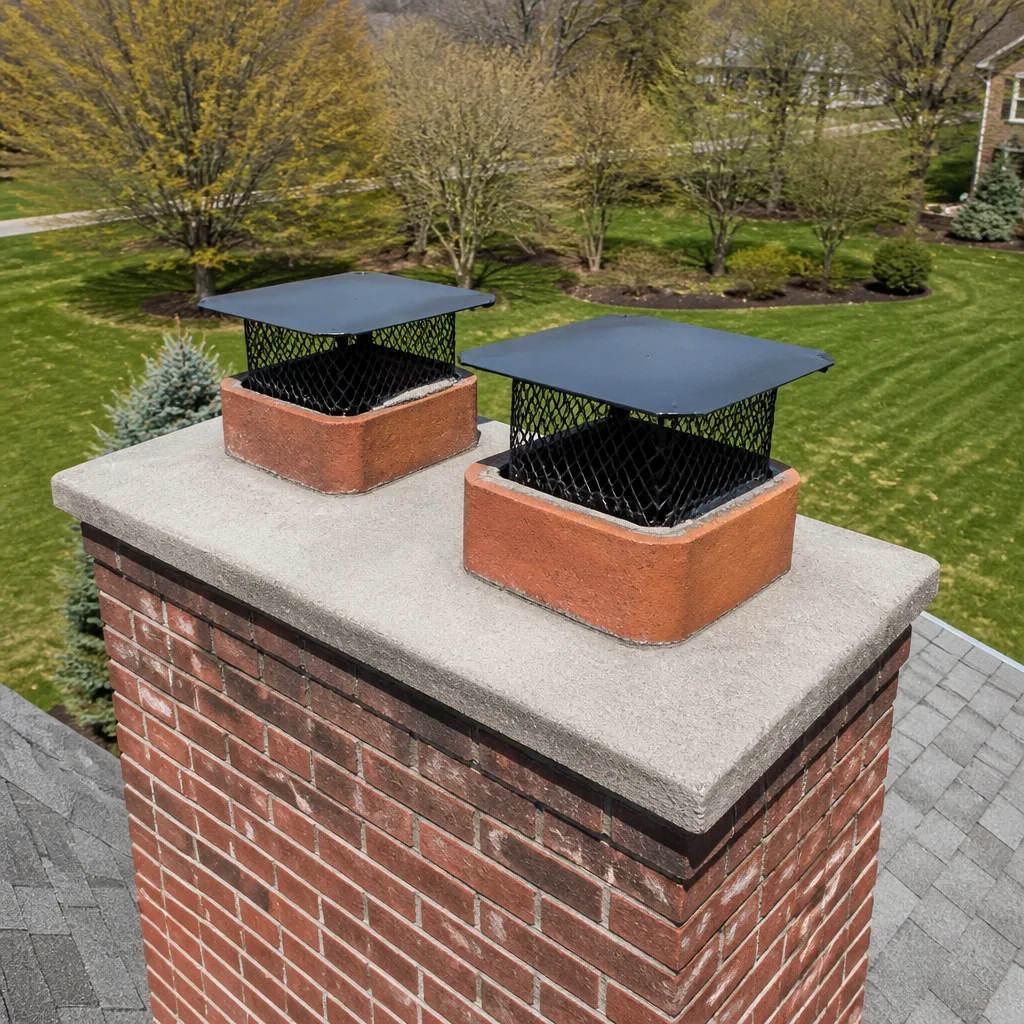
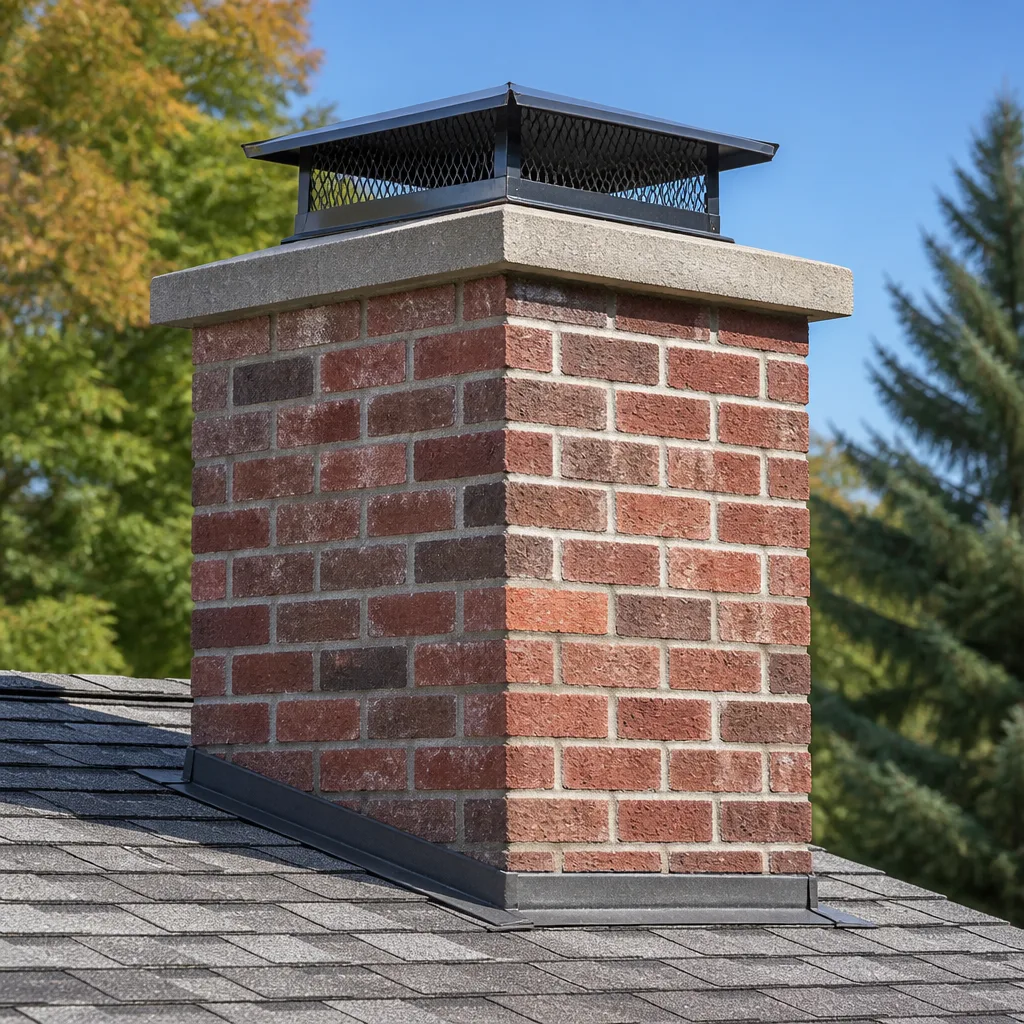
Beyond those two, a factory-made chimney cap on top of the flue keeps wildlife, leaves, and rain out, and a Level 1 inspection once a year catches the small stuff before it becomes a call to 911. None of this is complicated. It’s just a schedule, and sticking to it is the difference between a fireplace you can trust and one that’s one cold night from a chimney fire. Our team handles all three phases, from inspection through cleaning and Daly City repair work, so there’s no handoff between different trades.
Warning Signs You Should Never Ignore
The reason chimney emergencies catch people off guard is that the warning signs often show up weeks before the event and get blamed on something else. These are the signals that should trigger an inspection call.
- A low rumble or crackling sound during a fire. If you hear a sound like distant thunder or a crackling that doesn’t match the firebox, shut down the fire and have the chimney inspected before your next burn.
- Popping or tapping noises in the flue. Sometimes it’s an animal nest or a loose piece of liner, but it’s never a sound to shrug off.
- Smoke backing into the room. A cold firebox can puff a little smoke on startup, but persistent smoke roll-back means the flue isn’t drawing, and that needs a camera inspection.
- A smell of burning that doesn’t come from the firebox. A hot, acrid smell, or one that lingers after the fire is out, can point to creosote igniting or heat escaping into the surrounding structure.
- Black or brown staining on the chimney exterior or the ceiling near the flue. Staining often means moisture or smoke is escaping through the masonry itself.
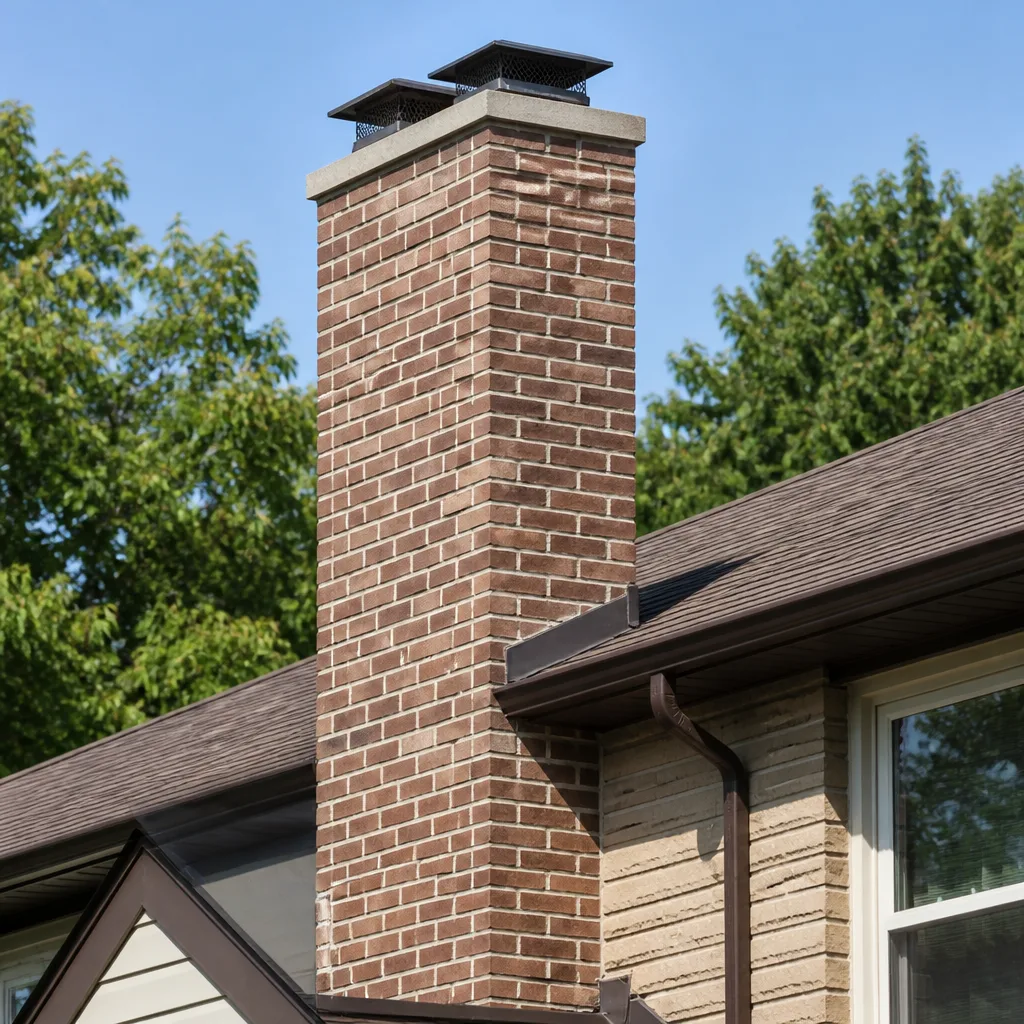
- A white or flaky deposit on the outside of the chimney. Efflorescence is a sign of moisture movement through the masonry, which degrades the chimney over time.
- Soot falling into the firebox or onto the hearth. A sudden shower of soot after a fire often means a flue fire has happened and the liner is compromised.
- Your carbon monoxide alarm going off. Treat it as an emergency every time. Get out, call 911, and have the chimney inspected before anyone uses it again.
If any of these match what your chimney has been doing, the right move is a professional inspection, not another fire to see if it repeats. We’ve responded to Daly City homes where a warning sign showed up a season before the emergency, and a sweep and liner check would have caught it.
Post-Emergency Protocol: Why a Fired Chimney Cannot Be Used Until Inspected
Once a chimney has been through a fire or a major blockage, it must be taken out of service until a Level 2 inspection has been completed and documented. That’s not a suggestion; it’s the industry standard, and it exists because a chimney can look perfectly intact from the firebox while the liner above is cracked, warped, or disconnected.
A Level 2 inspection is the one the industry uses after a chimney fire, an earthquake, or any event that may have damaged the flue. It’s more thorough than the yearly Level 1 check: it typically covers the accessible portions of the chimney with a camera, checks the liner, the crown, the cap, and the firebox, and results in a written report you can hand to your insurer. The steps after an event look like this:
- Confirm the fire department has extinguished the fire and released the house. Don’t relight anything until you have that clearance.
- Schedule a Level 2 inspection with a chimney professional. The inspection covers the full flue with a camera and checks the surrounding structure.
- Review the written findings before approving any work. We show you what we find before we recommend anything, with photo documentation so you can see the damage yourself.
- Repair or restore before returning the chimney to service. A cracked flue liner cannot be “watched” until spring. A damaged liner is a carbon monoxide risk, not a cosmetic issue.
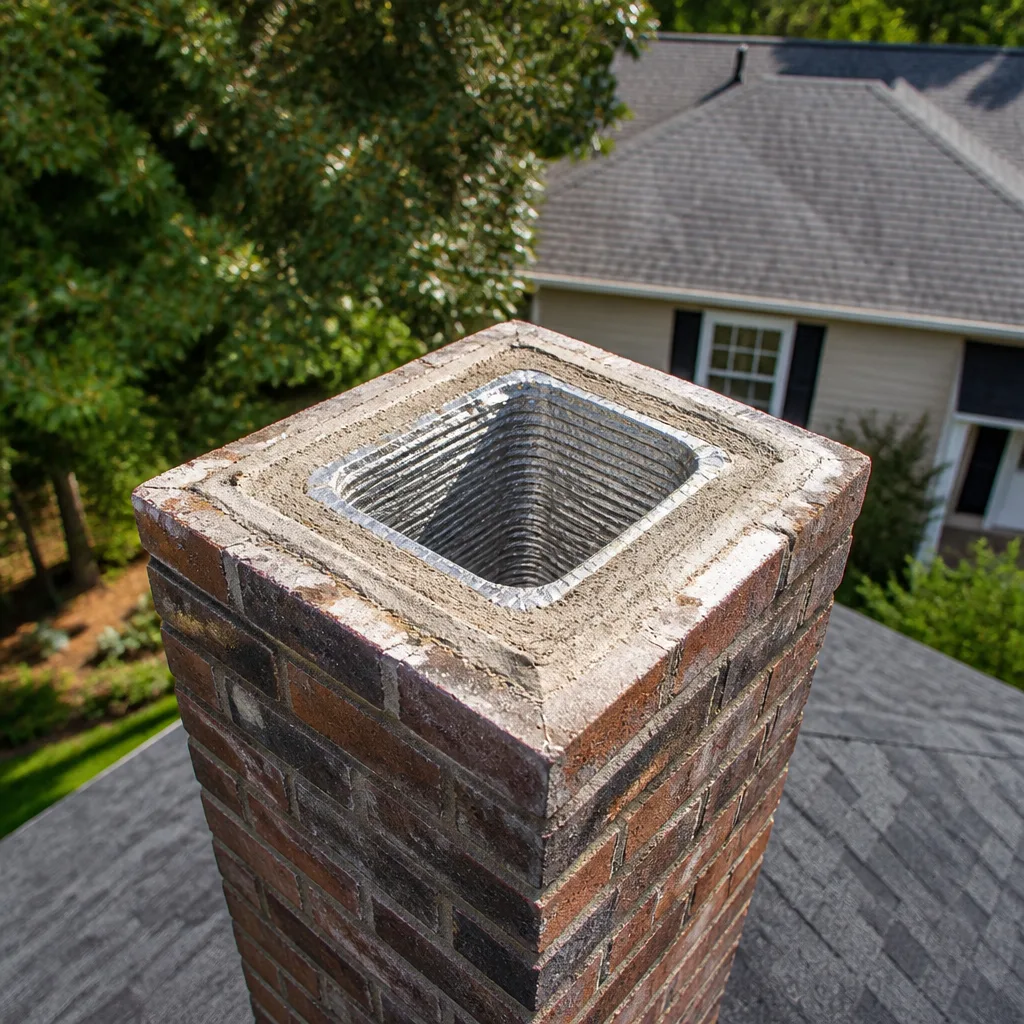
Where a chimney’s liner is damaged but the surrounding structure is sound, HeatShield ceramic resurfacing systems can restore some liners without a full replacement, which is a materially different job in both cost and disruption. Where a full re-line is needed, DuraFlex flexible liner systems are the standard approach for retrofits in older or non-standard flues. Olympia Chimney and Famco components turn up in repair work as well, not improvised substitutes. The specific choice comes down to what the inspection shows, and the written report should make the reason clear.
Seasonal Preparedness Checklist for Daly City Homeowners
Chimney emergencies rarely happen the first time you light a fire for the season. They happen when the chimney has been neglected through the off-season and put back into service without a check. Before your first fire of the year, run through this list.
- Schedule the yearly inspection and sweep. Book it before the season starts, not after the first cold evening.
- Confirm the flue is clear. A camera inspection is the only reliable way to know there’s no nest, no collapsed liner, and no creosote buildup past a safe level.
- Check the damper. Open and close it fully and listen for grit or a catch. A damper that won’t seat properly is a call-it-in item.
- Look at the chimney cap. A cap that’s missing, loose, or damaged lets debris and animals in. A quick look from the ground or a pair of binoculars gets you an answer.
- Inspect the crown and exterior. Cracks in the chimney crown and staining on the masonry are signs worth a professional look.
- Test your carbon monoxide alarms. Press the test button and confirm they respond. Replace batteries according to the manufacturer’s schedule.
- Stock the right wood. Seasoned, dry firewood burns cleaner and builds less creosote than green or wet wood.
- Keep a chimney fire plan. Make sure every adult in the house knows the first-five-minutes steps and where the fire extinguisher lives.
- Write down the signs. The warning signs list in this guide is worth keeping on the fridge, particularly for a household that’s new to wood burning.
That’s the whole schedule. Inspect, sweep, check the damper, check the cap, check the alarms. Run it once a year and the odds of an emergency drop sharply. If you’re not sure where to start, call us. Our technicians have up to 15 years of experience and the inspection is straightforward.
Common Mistakes to Avoid
- Skipping the yearly inspection because “it looks fine.” A chimney from the firebox up to the cap is mostly invisible from inside the house. The damage that matters most is past the point you can see.
- Treating a small chimney fire as harmless. Fires that burn out on their own are still capable of cracking liners and warping metal flues. The fire being over doesn’t mean the damage isn’t there.
- Burning green or wet wood to save on firewood. Seasoned wood is cheaper in the long run because it builds far less creosote. In Daly City’s mild, damp winters, wood stored outdoors needs real drying time; a tarpaulin doesn’t do it.
- Closing the damper to control the fire. It feels intuitive, but closing the damper on a burning fire traps smoke and carbon monoxide in the home instead of venting them up the flue.
- Relighting the fireplace to “test” it after a suspected fire. If there’s any chance a fire happened, the chimney needs a Level 2 inspection before it’s used again. Testing it with another fire is testing with the exact thing that caused the damage.
- Hiring whoever is cheapest on the first call. Chimney work is a specific trade. A cheap sweep that doesn’t include camera inspection is not the same service as a full inspection, sweep, and repair capability from one company.
- Forgetting that a gas insert still needs its chimney serviced. Gas burns cleaner than wood, but the flue can still block, the liner can still deteriorate, and carbon monoxide doesn’t have a smell to warn you.
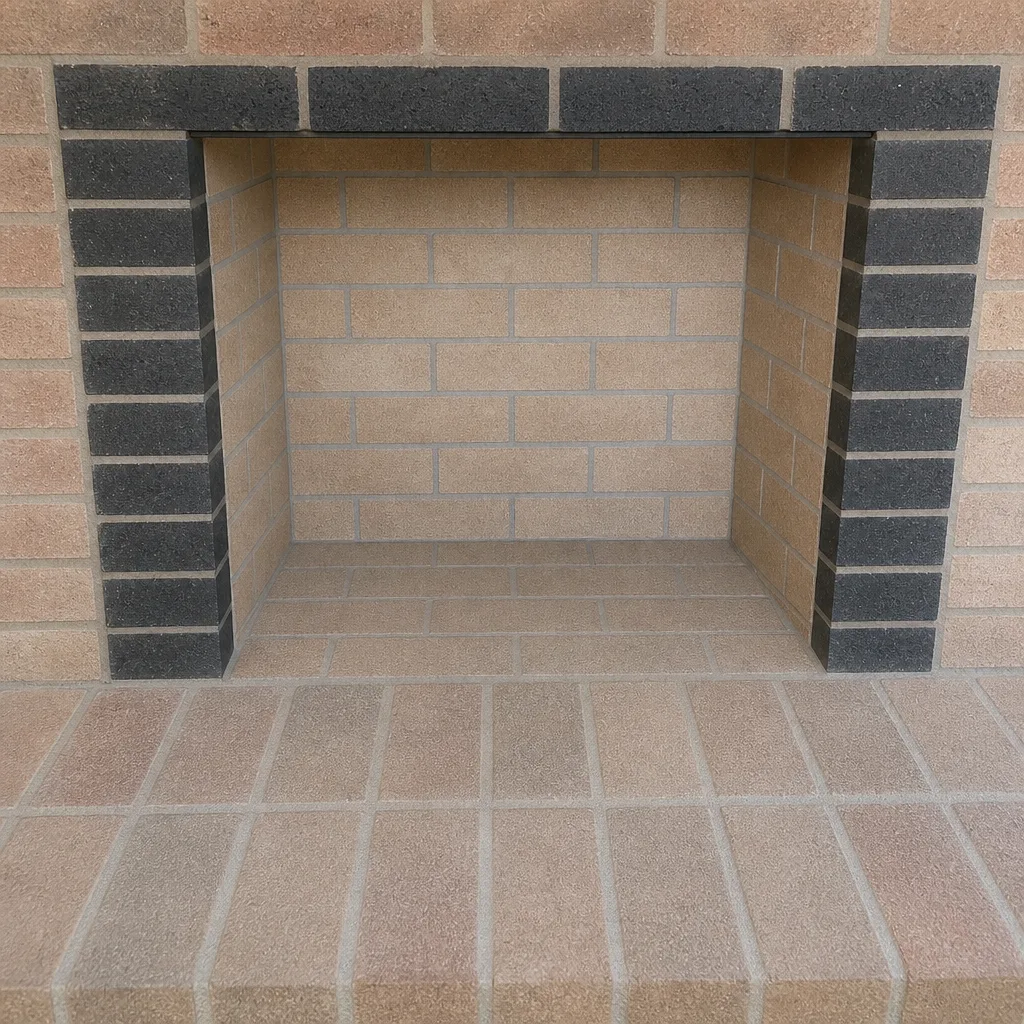
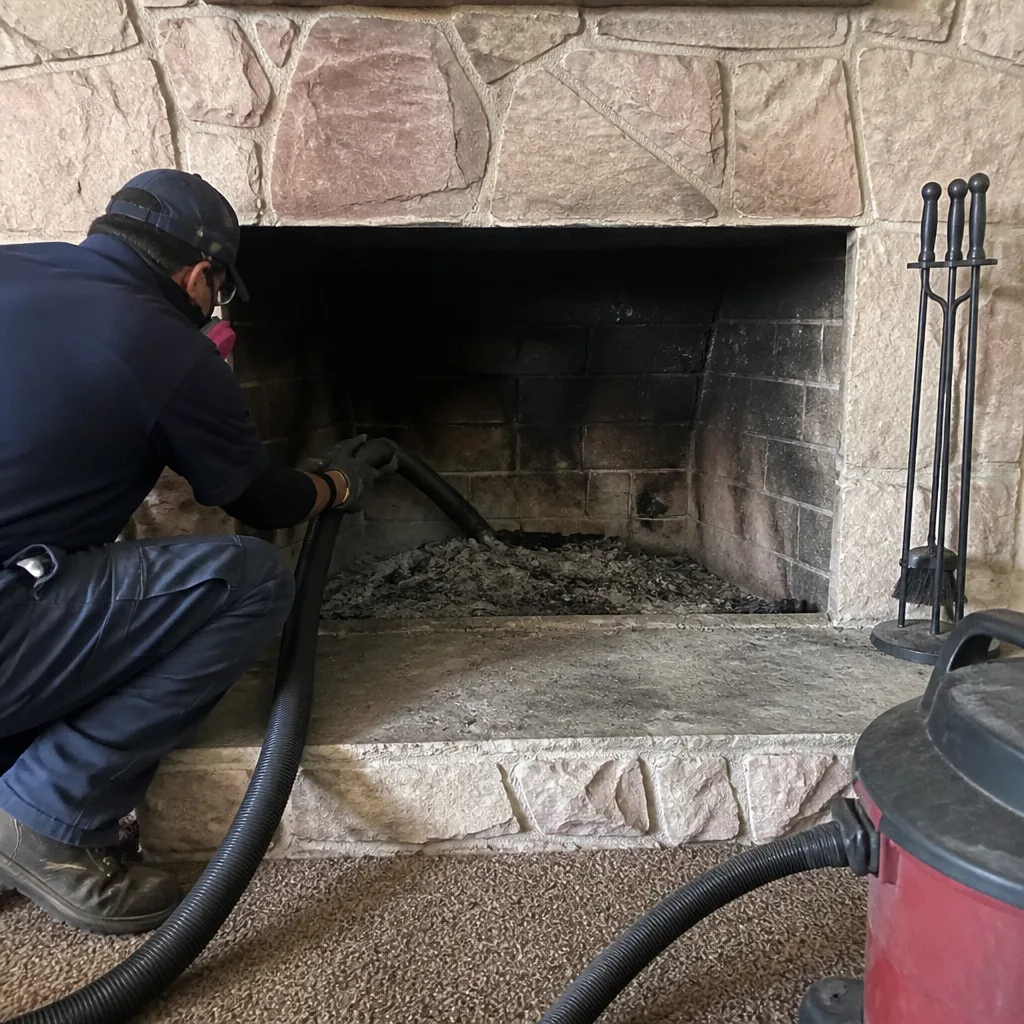
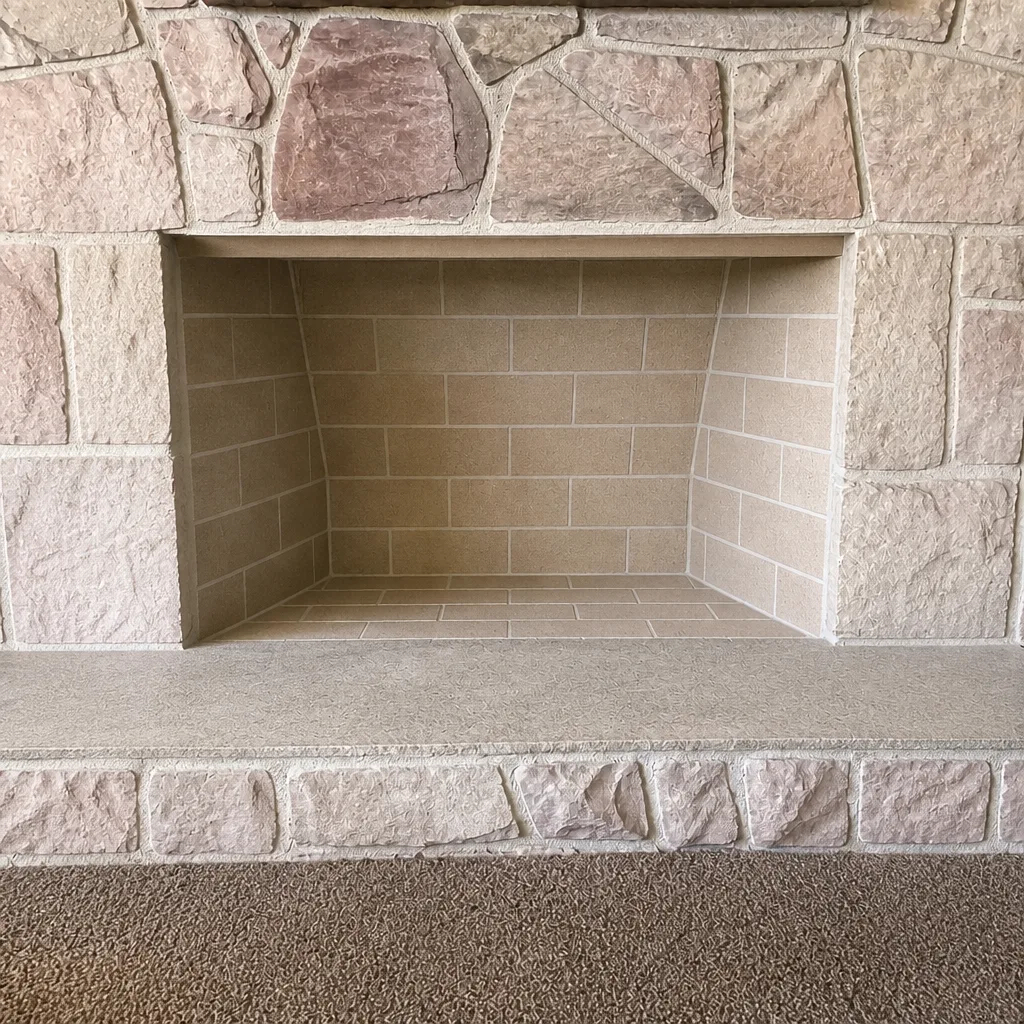
See the difference
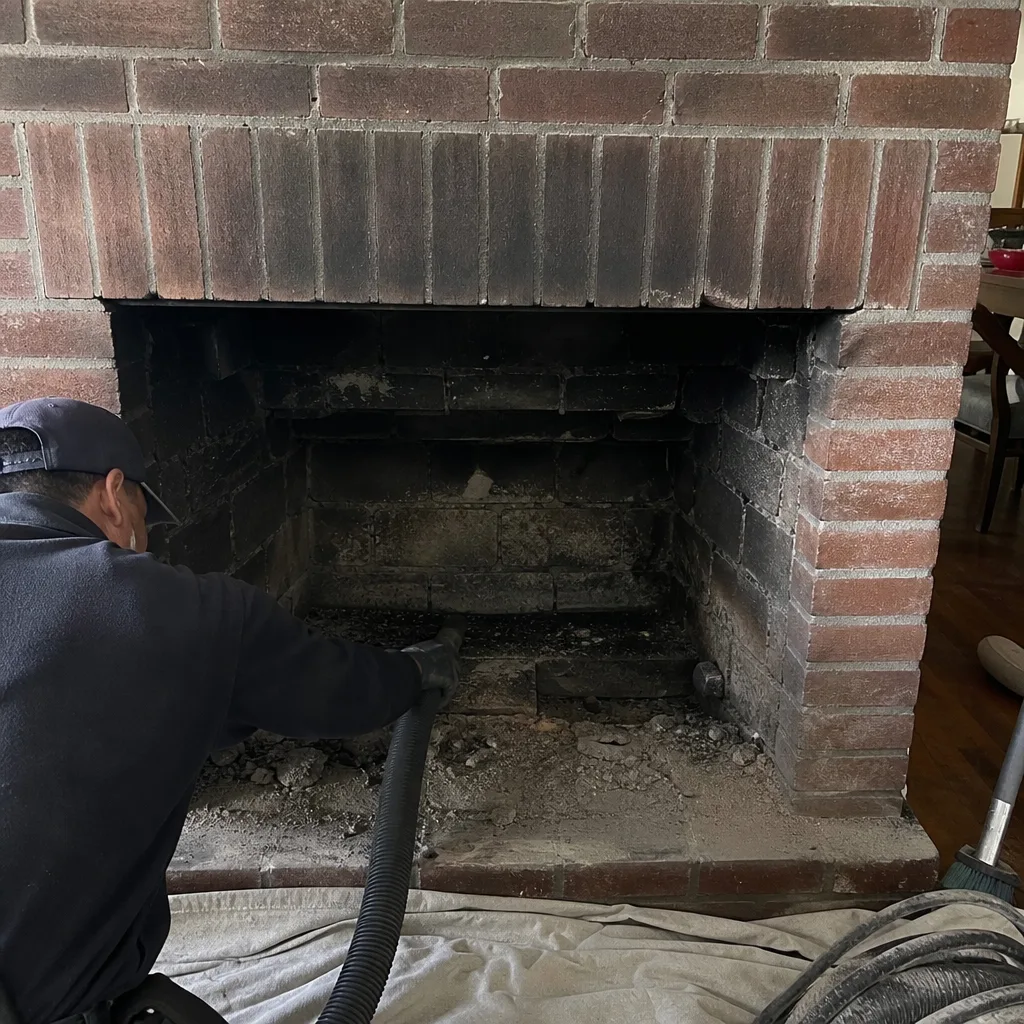 Before
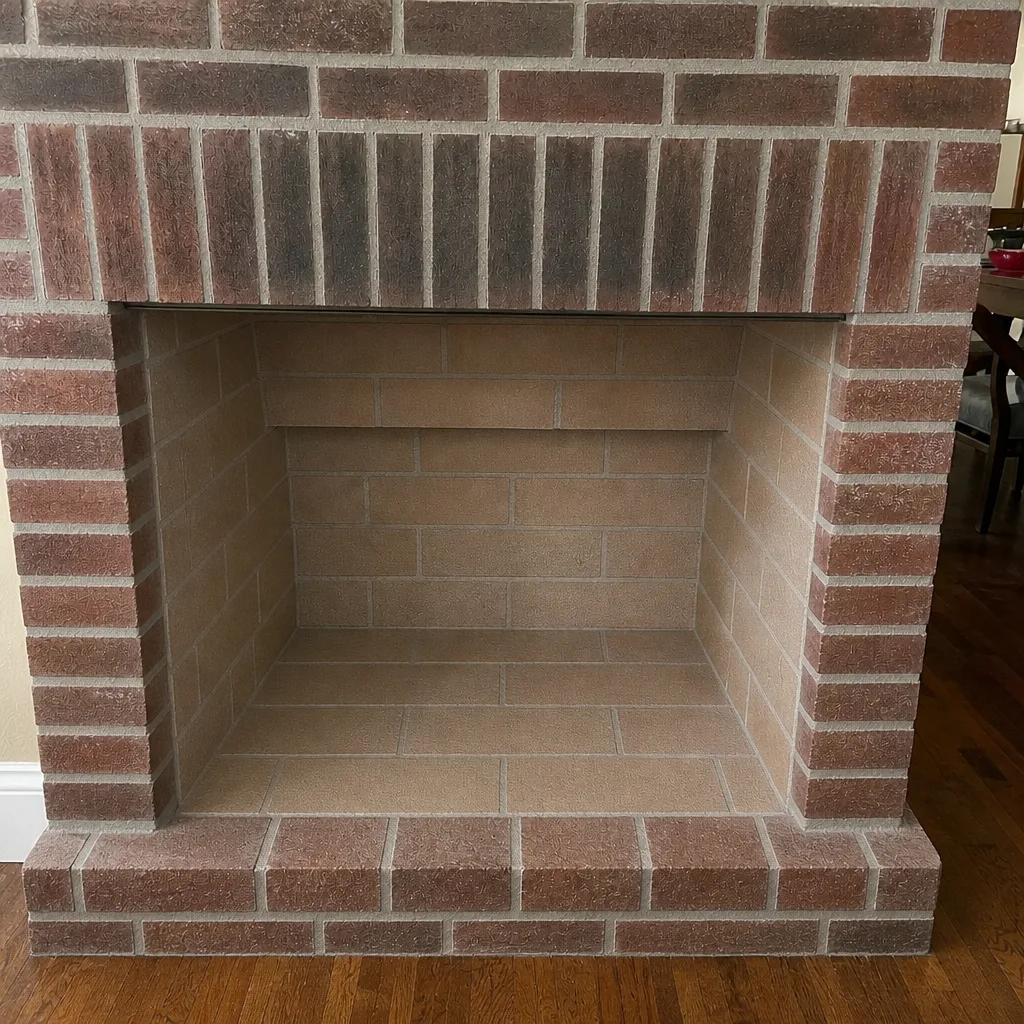 After
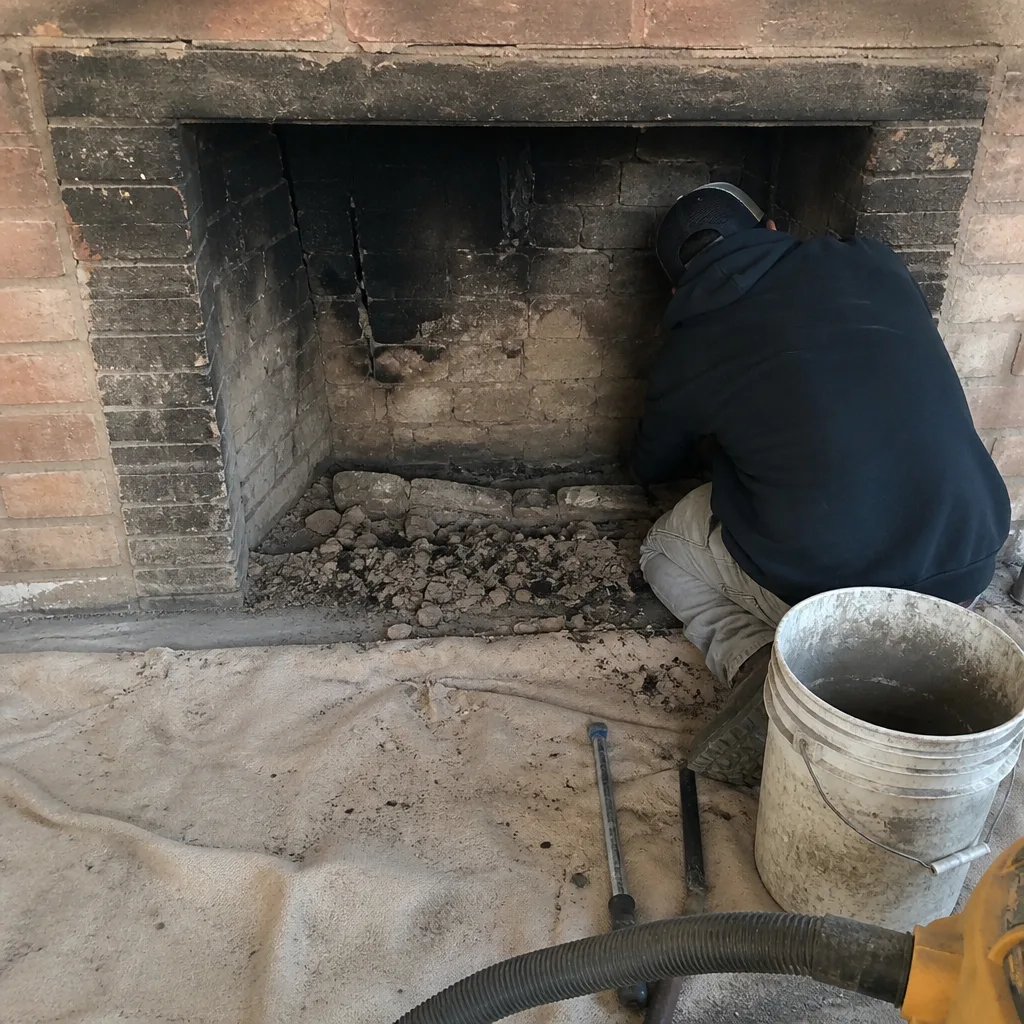 Before
 After
 Before
 After
When to Call a Professional
Call us when a chimney has shown any of the warning signs in this guide, when a fire or blockage event has occurred, or when it’s simply been more than a year since the last inspection. Call us right away if a carbon monoxide alarm has gone off, if smoke is backing into the room on every fire, or if a contractor or insurance adjuster needs a documented Level 2 inspection. Chimney Sweep Daly City offers free estimates in Daly City, and the same team that inspects also sweeps and repairs, so you’re not coordinating between three contractors. Call (866) 885-7416. We answer 24/7. Fast dispatch from 7am to 7pm, Sunday through Friday.
Frequently Asked Questions
Once a year is the standard for most homes, and the industry rule is to sweep whenever the creosote layer reaches a quarter inch. In Daly City’s mild winters, many homes burn less than a colder region would, so an annual inspection often catches the right timing. If you burn daily through the season, the sweep may be needed more often. Call (866) 885-7416 for an exact assessment, and the inspection will tell you what’s actually in the flue.
Get everyone out of the house and call 911. Close the firebox doors or screen if you can do it safely, stay outside until the fire department arrives, and don’t put water on the fire or climb onto the roof. The fire department will confirm the fire is out and advise on the inspection that follows. Call (866) 885-7416 once you’ve been cleared to schedule that inspection.
Yes. A blocked or damaged flue can send exhaust from gas-burning appliances back into the home instead of up and out, and carbon monoxide has no smell or color to warn you. A working CO alarm on every level is essential, but it’s a backstop, not a substitute for inspection. If a CO alarm goes off, get out, call 911, and have the flue inspected before anyone uses the chimney. Call (866) 885-7416 for the inspection.
A Level 2 inspection is the documented inspection the industry standard calls for after a chimney fire, an earthquake, or any event that may have damaged the flue, and the chimney can’t be used until it’s done. A camera inspection and written report show the actual condition of the liner and the surrounding structure. Without it, no one can say the chimney is safe to use again. Call (866) 885-7416 to schedule one.
Yes. Gas burns cleaner than wood, but the flue can still block, the liner can still deteriorate, and a compromised flue can back carbon monoxide into the home. Gas inserts and chimney-vented gas appliances still need a yearly inspection. Call (866) 885-7416 if your gas appliance hasn’t been inspected in a while.
A chimney fire that damaged the liner but wasn’t repaired leaves the home open to carbon monoxide entering living space and to a second fire spreading past the chimney. Even a small fire can crack the flue, and the damage often isn’t visible from the firebox. A repaired, inspected chimney can be used again safely; an unrepaired one can’t. Call (866) 885-7416 for an inspection before your next fire.
The Bottom Line
Most chimney emergencies in Daly City follow a pattern: a missed sweep, creosote buildup, a warning sign someone wrote off, and then a fire or a CO event that could have been caught earlier. The preparedness that matters most is simple. A clean flue and a working damper, checked once a year, prevent the majority of scenarios here. Know the warning signs. Know what to do in the first five minutes. Understand that a chimney that’s been through a fire or blockage cannot be used again until a Level 2 inspection is completed and documented. And treat carbon monoxide with the seriousness it deserves, especially in a gas insert home. That’s the whole system, and it’s easier to keep up than to recover from. Call Chimney Sweep Daly City at (866) 885-7416 for a free estimate, and see the Chimney Sweep Daly City page for the full picture of inspection, sweep, and repair under one roof.
Written by the team at Chimney Sweep Daly City.