
Last updated November 16, 2026
 Sweep & inspection
 Caps & crowns
 Flue relining
 Masonry repair
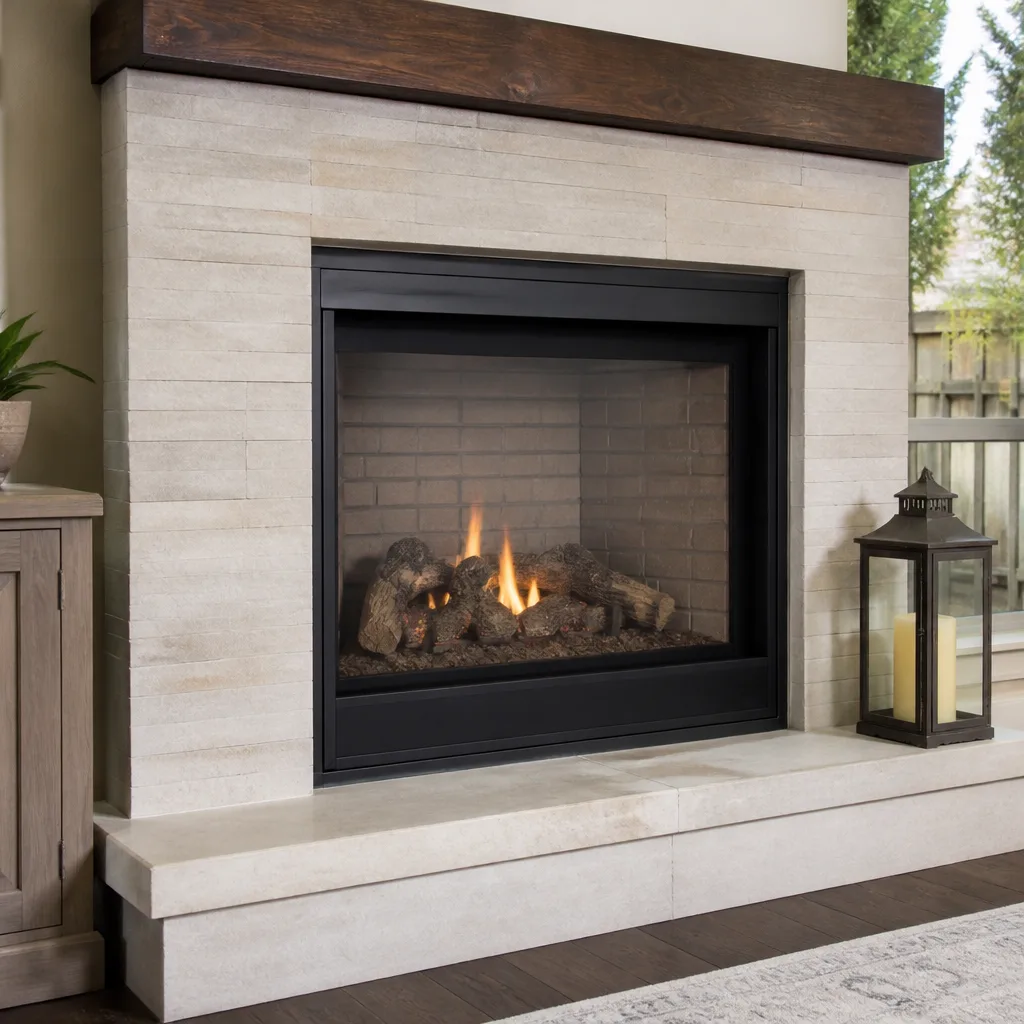 Gas fireplace service
Level 1 sweep and inspection to the NFPA 211 annual standard - flue, crown, cap, and flashing checked and photographed
Chimney sweep logs do not sweep chimneys. They loosen some creosote - which then falls where a brush and vacuum still have to collect it.
Chimney Sweep Maintenance Checklist for Daly City Homeowners
Most chimney maintenance checklists floating around online were written for a house in Denver or Minneapolis, where the fireplace runs hard all winter and the big enemy is ice. Daly City isn’t that place. Here, the fireplace might burn a dozen evenings a season, and the real wear comes from the other direction: foggy summers that push moisture into brick and mortar for weeks, then a mild, stop-and-start winter that catches homeowners off guard when they finally light that first fire. The problem isn’t how much you burn. It’s what’s happening to the chimney when you don’t.
This guide is a maintenance checklist built for the conditions outside your door in Daly City: cap and crown integrity first, mortar joints second, and creosote in proportion to how you actually use the fireplace. You’ll get a month-by-month schedule, a clear line between what you can look at yourself and what needs a professional camera, and a simple way to document it all so every sweep visit starts smarter than the last.
Quick Answer
A Daly City chimney should be checked for cap and crown damage after the foggy summer (late August into September), swept once a year if you burn wood, and inspected by a professional with a camera at least annually. Homeowners can safely look at the firebox, damper, and the visible flue opening themselves, but the liner, crown, and hidden flue surfaces need a trained eye and a camera. The single most important habit is documenting what you see each season so real deterioration stands out from normal wear.
Styles & brands we work with
- Sweep & inspection
- Caps & crowns
- Flue relining
- Masonry repair
- Gas fireplace service
Table of Contents
- Why a Daly City Chimney Checklist Is Different
- The Month-by-Month Maintenance Calendar
- What You Can Safely Check Yourself vs. What Needs a Pro
- Reading Moisture and Mortar Damage Before It Spreads
- Building a Maintenance History: What to Photograph Each Season
- The Minimum Annual Professional Tasks You Can’t Skip
- Creosote in a Mild-Climate Chimney
- Common Mistakes to Avoid
- When to Call a Professional
- Frequently Asked Questions
Why a Daly City Chimney Checklist Is Different
Generic chimney advice assumes a few things that don’t hold in Daly City. It assumes heavy wood burning, freezing temperatures that stress masonry, and a “check it in fall” rhythm. What actually shapes a Daly City chimney is the wet-season fog that keeps exterior brick and mortar damp for long stretches, the mild winter that encourages intermittent burning (a fire one night, nothing for a week), and the fact that many homes here sit in microclimates where the marine layer lingers differently block to block.
That combination changes the priority order. Moisture intrusion and mortar joint deterioration move to the top of the list. Chimney cap and crown integrity move up with them, because a cracked crown is the front door for water. Creosote matters, but in a chimney that burns occasionally rather than constantly, the creosote profile is different: you get thin, flaky deposits and glazed patches from smoldering low fires more often than heavy buildup from constant burning.
There’s also the architecture of the neighborhoods themselves. Homes in Westlake and St. Francis Wood-adjacent blocks, the older housing around the Mission Street corridor, and the mix of mid-century and older construction across Daly City mean chimney types vary widely, from classic masonry fireplaces to retrofitted flues in non-standard configurations. A checklist that ignores that variety will miss the specific failure points in your chimney.
The Month-by-Month Maintenance Calendar
This is the schedule we’d hand a homeowner if they asked what to do and when. The key insight is that the most important inspection doesn’t happen in fall. It happens in late summer, right after the fog season has had months to work on your cap and crown.
- March through May (spring wrap-up): Do a visual exterior pass. Look at the cap, crown, and the flashing where the chimney meets the roof. Note any spalling brick, crumbling mortar, or a cap that looks loose or rusted through. Take photos. This is your baseline before the wet season starts.
- June through August (fog season watch): This is when moisture does its quiet work. Check for damp patches on the chimney’s interior walls, rust on the damper, or a musty smell near the firebox. These are early moisture signals. Don’t burn during this stretch if you can avoid it, and keep the flue closed against damp air.
- Late August into September (the critical check): This is the check that’s missing from every generic checklist. After months of fog, inspect the cap and crown closely. A cracked crown or a loose cap lets water in all winter. If you find damage, get it assessed before the first fire. Call chimney repair for an evaluation rather than waiting.
- October (pre-season sweep): Book a professional chimney sweep before you start burning. This clears the season’s accumulation and gives you a clean baseline for the winter.
- November through February (burn season): Burn dry, seasoned wood. Watch for smoke backing into the room, a weak draft, or a fire that struggles to catch. Note these in your log. They’re clues for the next inspection.
- End of season (last fire): Once you’ve stopped burning, note the date. Soot and creosote sitting through the damp months is fine if the flue is clean, but if you burned heavily, a spring sweep protects the liner.
In Daly City, the fog is the driving factor. The chimney cap and crown take the most punishment because they’re exposed to moisture and then sun in cycles all year. Building a maintenance history around that one exposed surface pays off.
What You Can Safely Check Yourself vs. What Needs a Pro
Not every part of a chimney needs a specialist. Some parts are safe and useful to inspect yourself, and knowing which is which saves you money and keeps you safe. Below is the honest dividing line.
What you can safely look at yourself (no tools, just a flashlight):
- Firebox: Look for cracked firebrick, crumbling mortar between bricks, and loose pieces. Small hairline cracks in the firebrick are common; deep gaps or shifted bricks are not.
- Damper: Open and close it. It should move smoothly, seal reasonably well, and not be rusted shut. A sticky damper is worth noting.
- Visible flue opening: With a flashlight, look up the flue from the firebox. You can see the first section or two and check for obvious heavy buildup, blockages, or bird nests.
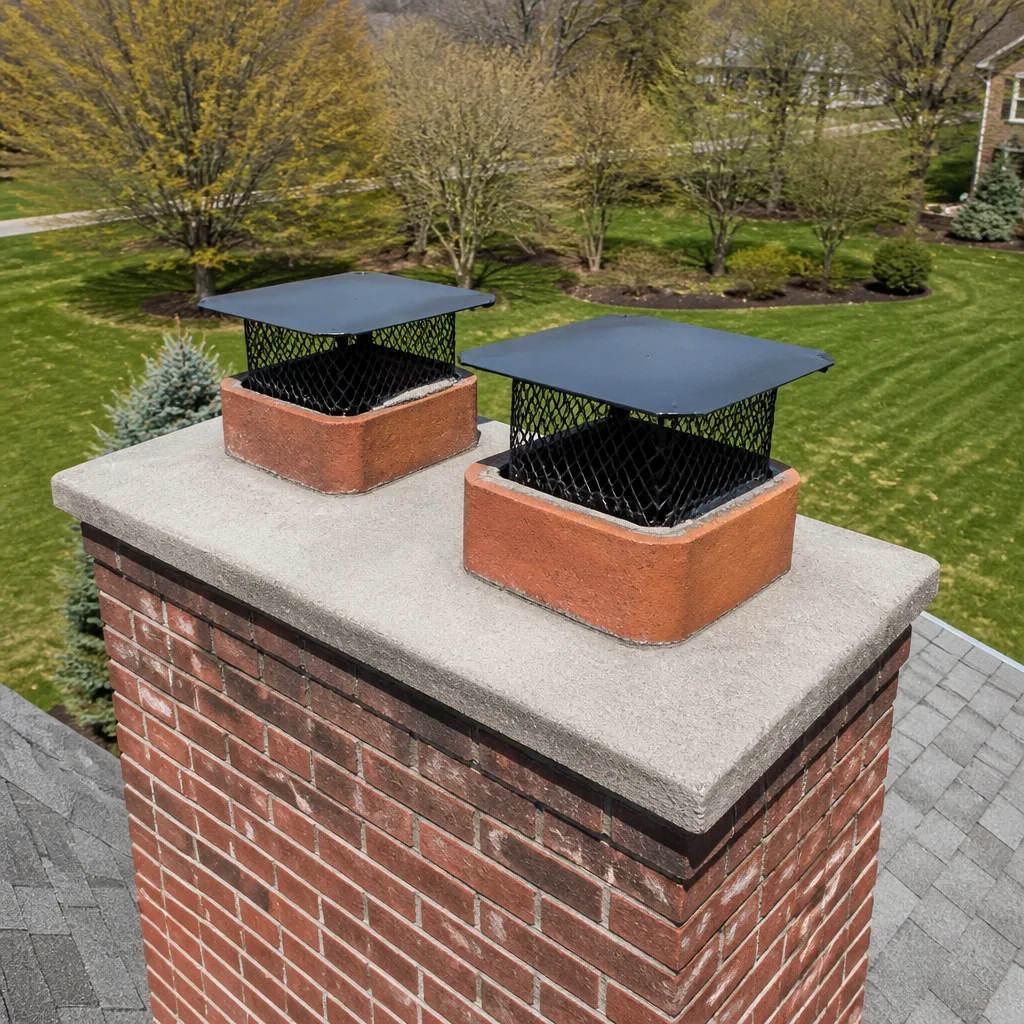
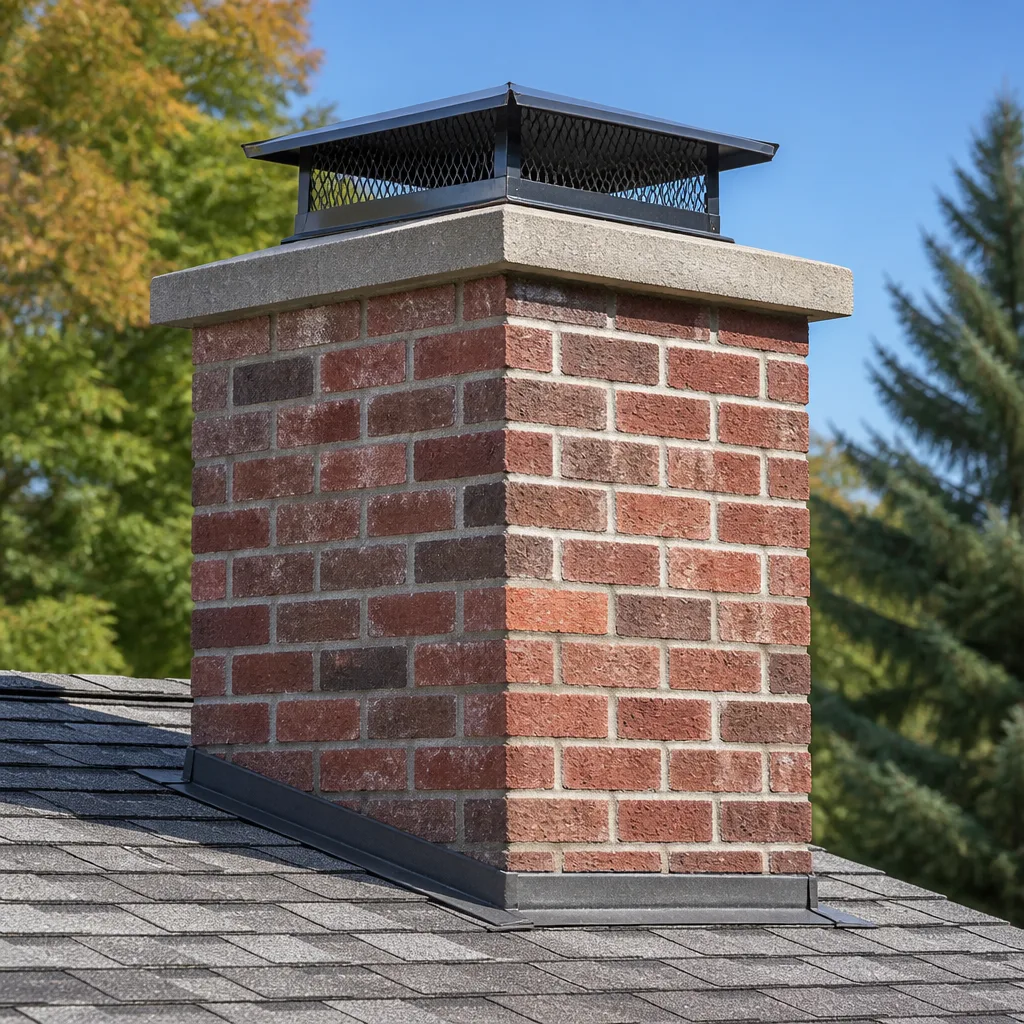
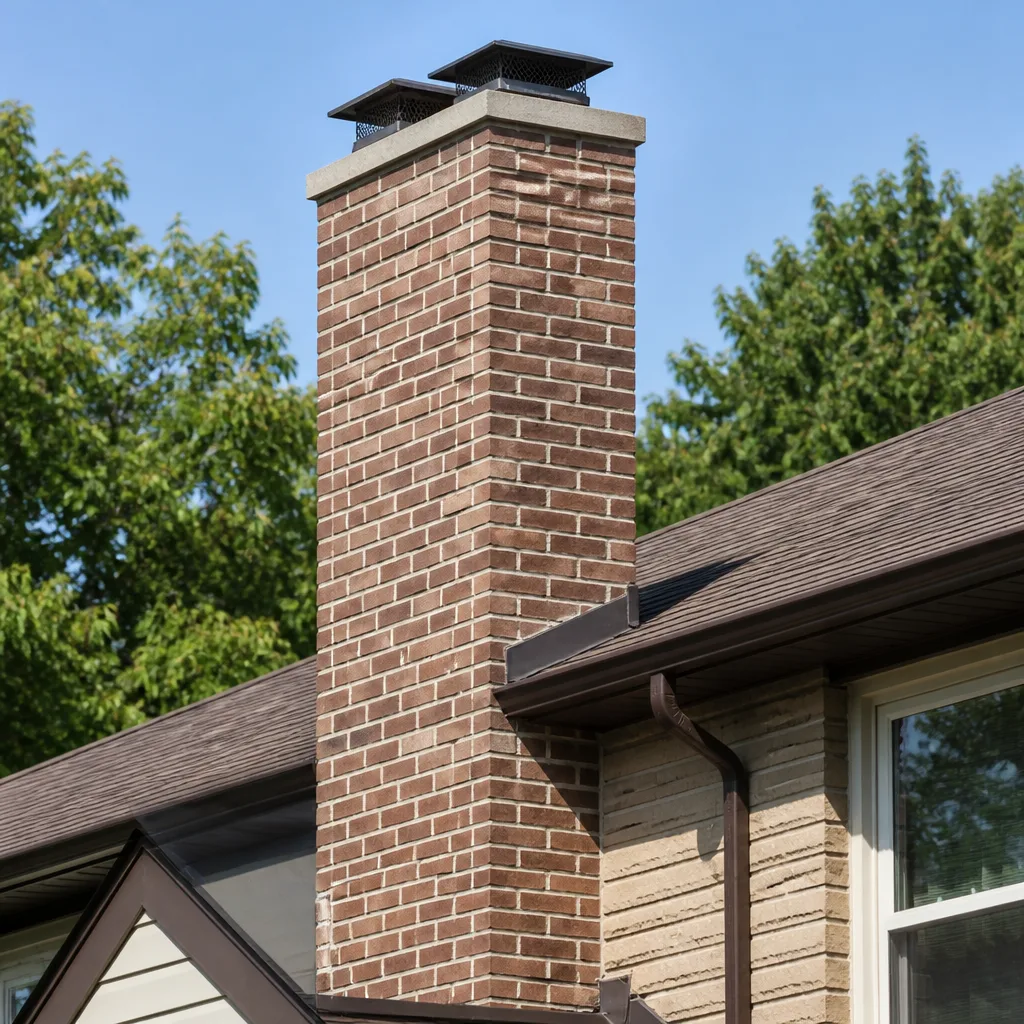
- Exterior, ground level: Scan the chimney from outside with binoculars. Look at the cap, crown edges, and mortar lines. Note and photograph anything that looks wrong.
What needs a professional with a camera:
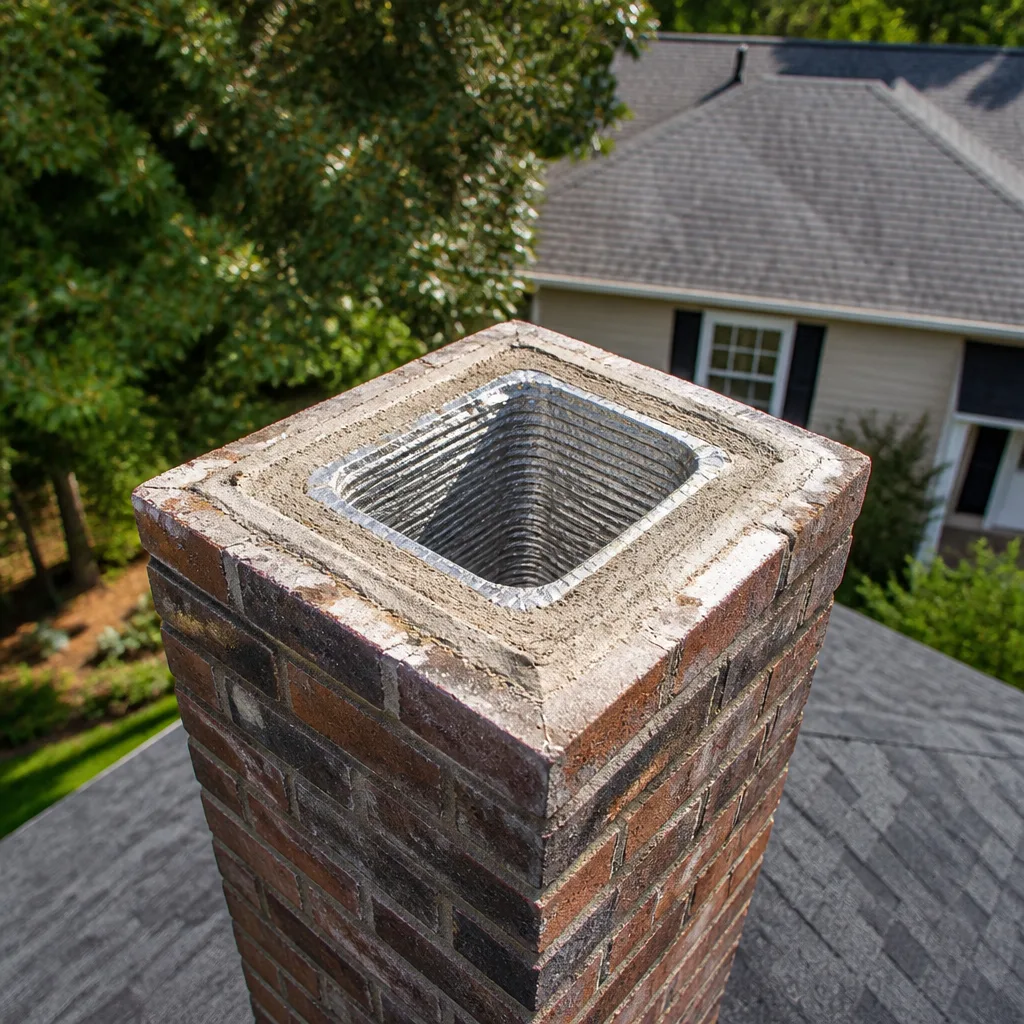
- The full flue and liner: A proper inspection uses a camera to see the entire flue, including the hidden sections and the liner’s condition. This is where cracks, gaps, and glazed creosote hide, and it’s not something you can see with a handheld flashlight.
- The crown and cap underside: These are on the roof, and the details matter. A trained inspection catches micro-cracking you can’t see from the ground.
- The smoke chamber and damper assembly: Behind the visible damper, the smoke chamber and shelf are areas where creosote collects and liner damage often starts.
- Liner condition and compatibility: Whether your liner is sound and whether it’s appropriate for what you burn is a judgment call that needs measurement and camera evidence.
This is why we show you what we find before we recommend anything. The camera catches what your eyes can’t, and you should see the same images we do.
Reading Moisture and Mortar Damage Before It Spreads
Moisture is the slow, quiet force that ruins chimneys in this climate. It doesn’t announce itself. It works into brick and mortar over months, and by the time you see water stains inside, the damage may already be structural. Here’s what to watch for, and why each sign matters.
- Spalling brick: The brick’s face flakes or peels away in sheets. This often means water is getting in and freezing isn’t even required; repeated wetting and drying plus trapped moisture does the work. Spalling is a real red flag.
- Crumbling mortar joints: During a wet spell, look at the mortar between bricks. If it’s sandy, crumbly, or recessed, the joints are failing. This lets more water in, and the cycle accelerates.
- White powdery deposits (efflorescence): A white chalky bloom on brick or mortar means water is moving through the masonry and leaving salts behind. It usually points to an underlying moisture problem, not just cosmetic discoloration.
- A cracked or sloping crown: The crown should shed water away from the chimney. Cracks or a sinking crown channel water straight into the masonry. This is often the single fix that stops a larger problem.
- A cap that’s loose, missing, or rusted through: The cap is the chimney’s roof. When it fails, water and animals get in. It’s one of the most affordable fixes with the highest payoff.
- Rust or corrosion on the damper or firebox: Interior rust is a clue that moisture is reaching the inside of the system.
What makes Daly City chimneys especially vulnerable: the fog season keeps the masonry damp for extended periods, then the mild winter brings intermittent use that doesn’t fully dry it out, and the cycle begins again. If you see several of these signs together, it’s worth a professional look. Damage you can see on the outside often means more beneath.
If the mortar and brick deterioration has moved past the surface, restoration is often possible without a full liner replacement. That’s where professional-grade materials matter. We use the HeatShield ceramic resurfacing system on chimneys that qualify, which can restore a deteriorated flue rather than forcing a full rebuild. The point is that a real evaluation, with evidence, tells you which approach your chimney actually needs.
Building a Maintenance History: What to Photograph Each Season
One of the most useful habits we can recommend: keep a photo record. A checklist is only as good as what you compare it against. When you photograph the same parts of your chimney each season, real deterioration stands out from normal appearance, and small problems get caught while they’re still small.
Here’s exactly what to photograph each season, and why each shot matters:
- Four exterior shots of the chimney from the ground: front, both sides, and rear. This catches spalling, mortar loss, and staining changes over time.
- A close-up of the cap: From ground level with a zoom, or from a safe ladder. Note rust, looseness, or missing mesh.
- The crown edge: A close view of the crown’s top and edges. Cracks often start small at the edges and grow.
- The firebox interior: A straight-on shot showing the firebrick and mortar joints. An annual comparison shows whether joints are widening.
- The damper in both open and closed positions: Rust, warping, and fit issues show up in a side-by-side.
- Any moisture signs: Staining around the firebox or on the chase. Note the date and what you see.
Keep a simple written log next to the photos: the date, what you saw, and any changes. When a sweep visit comes up, hand the technician your record. It changes the visit completely. Instead of starting from scratch, they can focus on the specific areas where you’ve noticed change, and they can show you the camera images that confirm or clear up your concern. That record is what turns a checklist into a maintenance history, and it’s the single best defense against being told you need work you can’t verify.
The Minimum Annual Professional Tasks You Can’t Skip
Even a careful, diligent homeowner can’t substitute for these. These are the tasks that genuinely require a trained professional with proper equipment and a camera, and they’re the non-negotiable core of annual chimney care.
- A professional sweep if you burn wood: Removing creosote safely, including glazed creosote that you can’t scrape out yourself, requires chimney brushes and proper containment. A sweep is about access, not effort.
- A camera inspection of the full flue: This is the only reliable way to see the entire liner, hidden sections, and the smoke chamber. It’s the difference between guessing and knowing.
- Structural assessment of the cap, crown, and flashing: These need a trained eye and, often, a roof-level look. Catching a cracked crown or failing flashing early prevents water damage.
- Liner verification: Confirming the liner is sound and appropriate for your fireplace type, and evaluating whether restoration or replacement is warranted, is a professional judgment call.
- Documentation: A written or photographic record from the professional side that you can hold onto and compare against next year.
We provide all three phases of chimney care, the sweep, the repair, and the inspection, so you don’t have to coordinate between different contractors. When the same team inspects, sweeps, and repairs, there’s no finger-pointing. The camera evidence that a problem exists is the same evidence behind the recommended fix.
If your liner does need attention, we work with DuraFlex flexible liner systems and HeatShield restoration, along with Gelco and Olympia Chimney product lines. These are professional-tier brands, chosen so that recommended fixes are matched to proven materials rather than improvised with whatever is on hand.
Creosote in a Mild-Climate Chimney
Creosote is the tar and soot residue from wood smoke that condenses on the flue walls. Most chimney guides treat it as a function of how much wood you burn, which is true enough for a hard-winter house. In Daly City, the picture is different and worth understanding.
Because winters are mild and burning is intermittent, the pattern you often see isn’t thick, tarry buildup from constant fires. It’s more often thin flaky deposits combined with small glazed patches, especially after low, smoldering fires that never get hot enough to burn cleanly. Glazed creosote is the dangerous kind because it’s hard to remove and it’s the fuel for a chimney fire. A professional sweep handles it. You can’t, and you shouldn’t try.
The practical takeaway: sweep once a year if you burn at all, and if you notice smoke backing into the room or a weak, struggling fire, note it and mention it at the next visit. And when you burn, burn a hot, clean fire with dry wood. The goal is a flue that stays clear of heavy buildup, not one you have to worry about.
For a typical annual sweep, we discuss the scope and the price up front, and the written estimate sets the final price. We also include a camera inspection and photo record on our visits, so you see what we see.
Safety matters here for a plain reason: a chimney fire or a carbon monoxide problem is a serious event, and a clean, intact flue is the main thing that prevents both. A cap and crown in good shape keeps water and animals out. A swept flue removes fuel a chimney fire would need. An inspected liner confirms the path is intact. This is the core of chimney care, not a sales pitch: it’s the checklist of what actually protects a home.
Common Mistakes to Avoid
- Skipping the late-summer cap and crown check. This is the mistake that generic checklists encourage by putting all the attention on fall fires. Moisture damage accumulates silently all year, so the check after fog season is the one that catches it.
- Burning wet or unseasoned wood. Wet wood burns cool and smolders, which leads to glazed creosote. Dry, seasoned wood prevents the problem at its source.
- Ignoring a cracked or missing cap. A failing cap is an open door for water, animals, and debris. It’s one of the cheapest things to fix and one of the costliest to ignore.
- Relying on a ground-level look as a full inspection. A quick look from the yard misses the flue liner, smoke chamber, and cap underside. The camera is what catches hidden problems.
- Waiting until smoke backs up to call anyone. A weak draft or smoke in the room is a signal, not a normal quirk. It’s a reason to get the system checked.
- Not documenting anything. Without a photo record each season, you can’t tell whether that mortar line is new or has been there for years. A record makes every decision easier.
- Treating your chimney as a “close it and forget it” system. A chimney is a working part of the house. It needs eyes on it annually, the same way a roof or furnace does.
When to Call a Professional
Some chimney issues are safe to observe. Others are reasons to stop and get a professional look. Call when you see cracked or missing firebrick, a damper that won’t seal, smoke backing into the room, a strong creosote smell, water stains or rust near the firebox, or any spalling brick and crumbling mortar on the chimney’s exterior. A loose or damaged cap, cracked crown, or failing flashing is also a call. If it’s been more than a year since the chimney was swept or inspected, that alone is the reason. Our team at Chimney Sweep Daly City offers free estimates in Daly City. Call (866) 885-7416. We answer 24/7. Fast dispatch from 7am to 7pm, Sunday through Friday.
Frequently Asked Questions
Once a year if you burn wood, and once a year for a visual inspection even if you rarely burn. The foggy season makes an annual review of the cap, crown, and flue as much a moisture check as a creosote check. If you burn often or notice smoke backing into the room, call (866) 885-7416 for an exact quote. Estimates are free.
You can safely check the firebox, damper, and visible flue opening yourself, and you should. The full flue, liner, smoke chamber, and cap underside need a professional camera because those are where hidden damage lives. Call (866) 885-7416 to book a camera inspection. Estimates are free.
Moisture intrusion is the big one, because the fog season keeps masonry damp for long stretches and a cracked crown or failing cap lets water in all year. That makes cap and crown integrity the top priority, ahead of heavy creosote concerns. If you notice damp spots or crumbling mortar, call (866) 885-7416 for an exact quote. Estimates are free.
Only if the liner is confirmed damaged, and that should be shown to you with camera evidence. Some chimneys can be restored with the HeatShield ceramic resurfacing system rather than a full liner replacement. Before you commit, ask to see the images and hear the reasoning. Call (866) 885-7416 for an evaluation. Estimates are free.
Document it with photos and get it assessed before the first fall fire, because a failed crown or cap is the main route for water. These are usually among the more affordable fixes when caught early. Call (866) 885-7416. Estimates are free.
Shoot the chimney from four exterior angles, a close-up of the cap and crown, the firebox interior, and the damper open and closed. Keep a simple dated log. This record turns your checklist into a maintenance history and makes every future visit more useful. Call (866) 885-7416 to schedule a sweep and add professional documentation to the record. Estimates are free.
The Bottom Line
A chimney maintenance checklist for Daly City has to start with what this climate actually does to a chimney: moisture from the fog season working on caps, crowns, and mortar joints all year. Put the late-summer cap and crown check at the top of your list, photograph the same surfaces every season, and keep a written log. Check the firebox, damper, and visible flue yourself. Leave the full-flue camera inspection, creosote removal, and structural assessment to a professional once a year. Document what you find, show it to your technician, and you’ll catch the quiet problems early. Chimney Sweep Daly City is here for all three phases: inspection, sweep, and repair.
Ready to put this checklist to work? Reach out to Chimney Sweep Daly City for a professional look at your chimney. Call (866) 885-7416 for a free estimate. We answer 24/7. Fast dispatch from 7am to 7pm, Sunday through Friday.
Written by the team at Chimney Sweep Daly City.
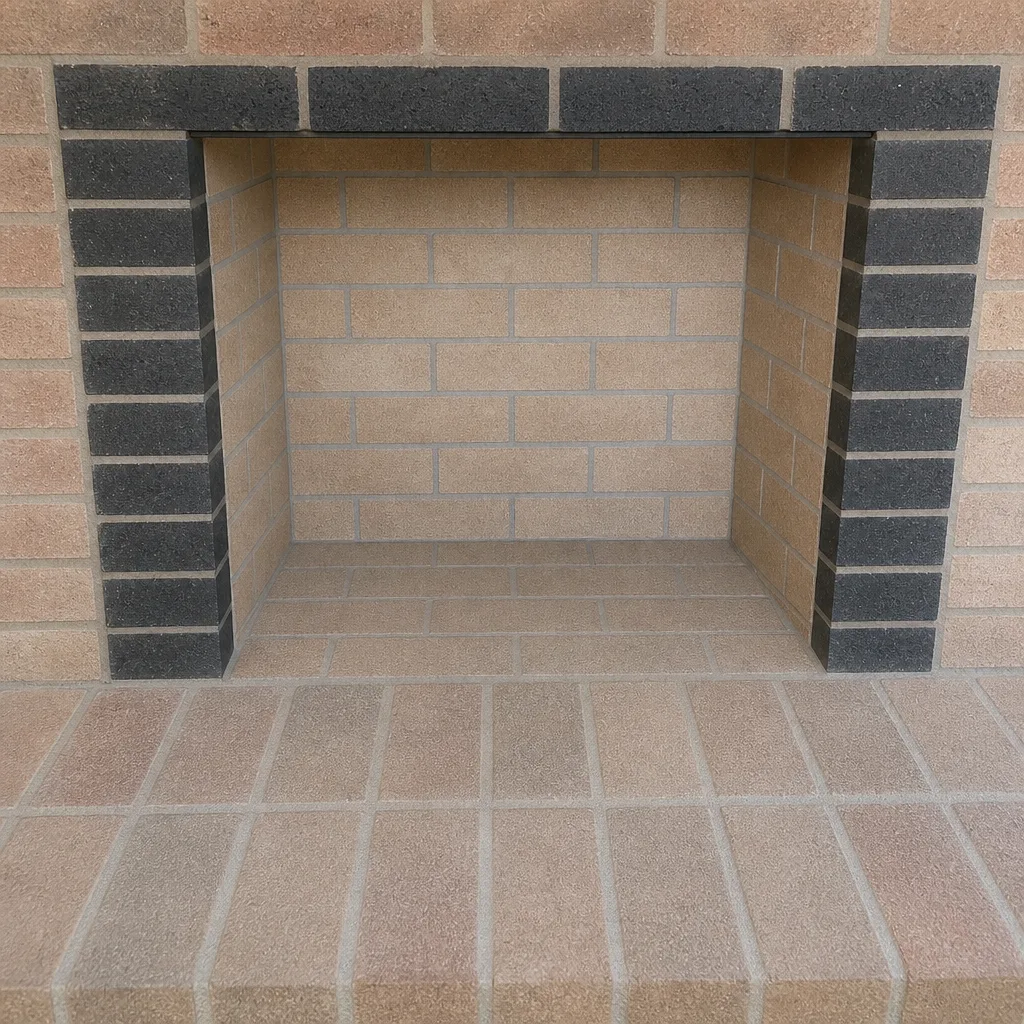
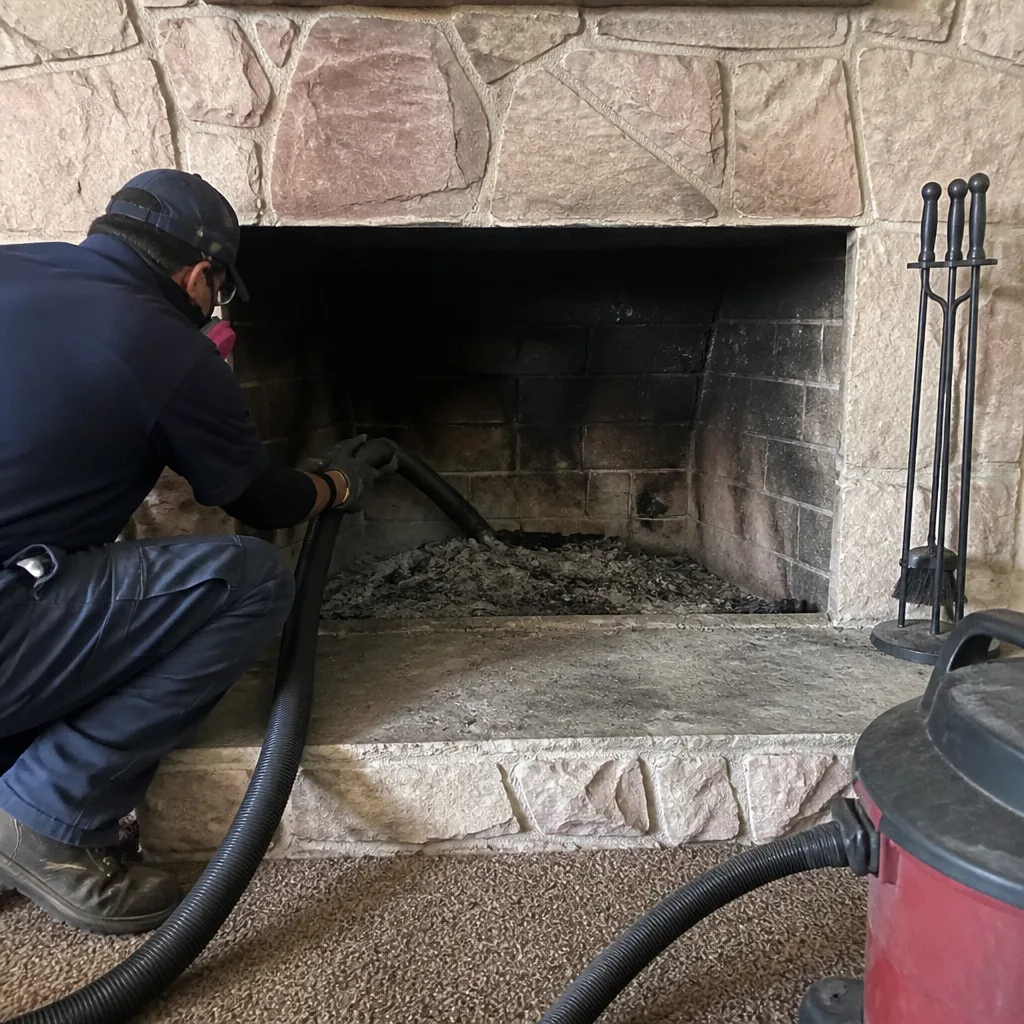
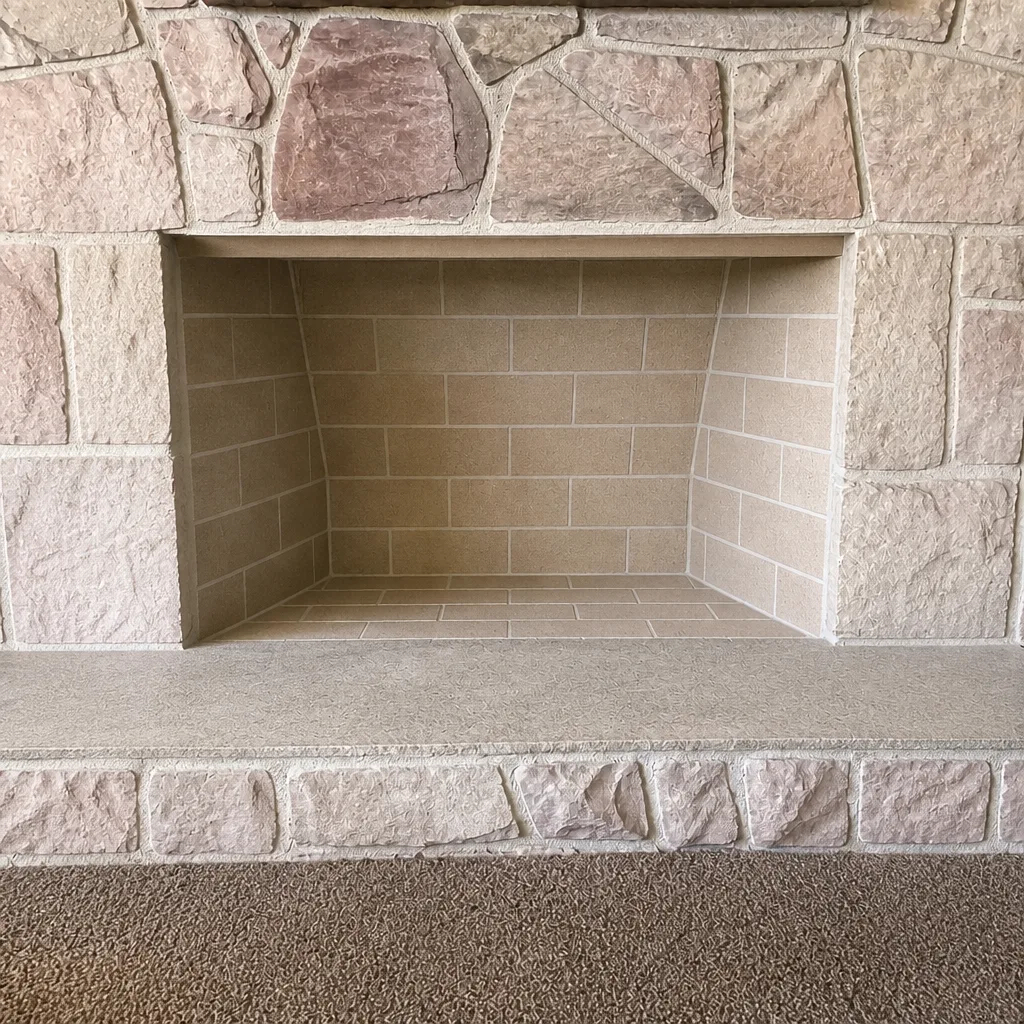
See the difference
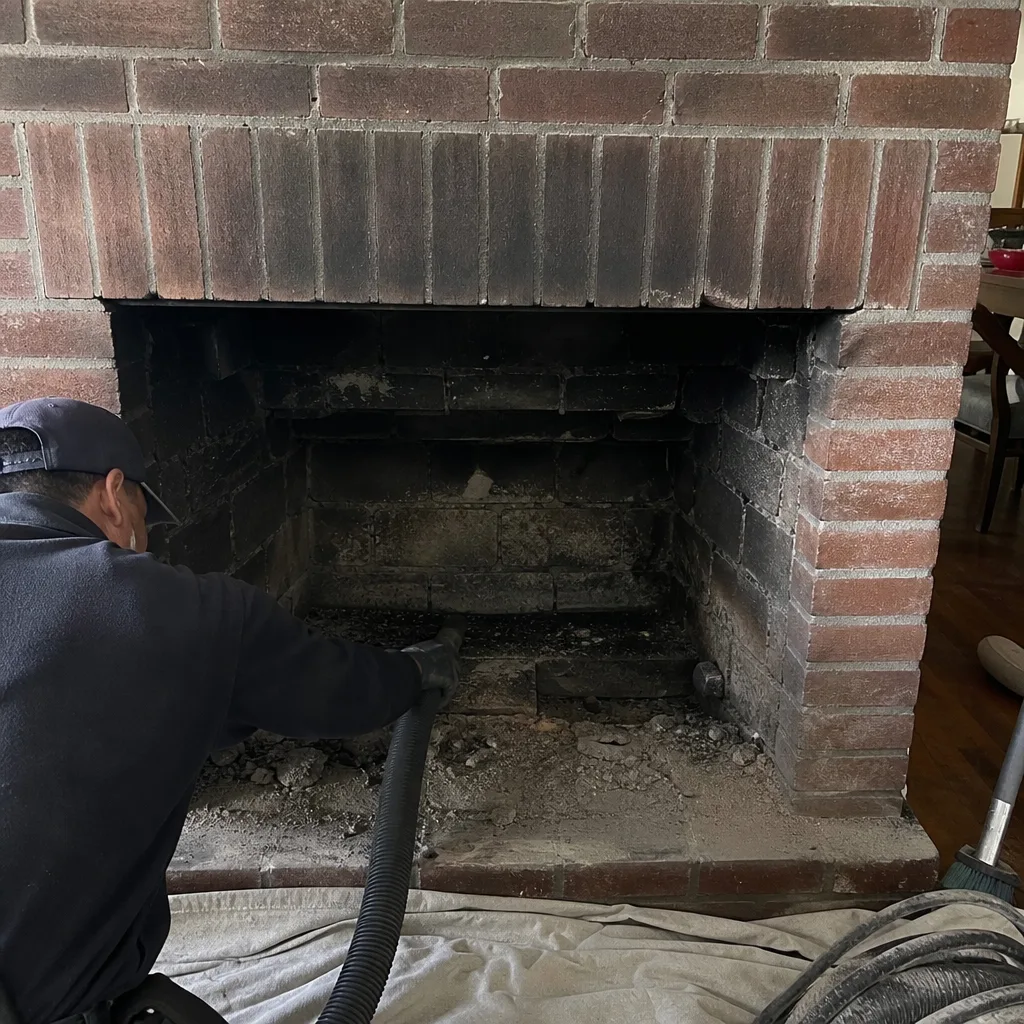 Before
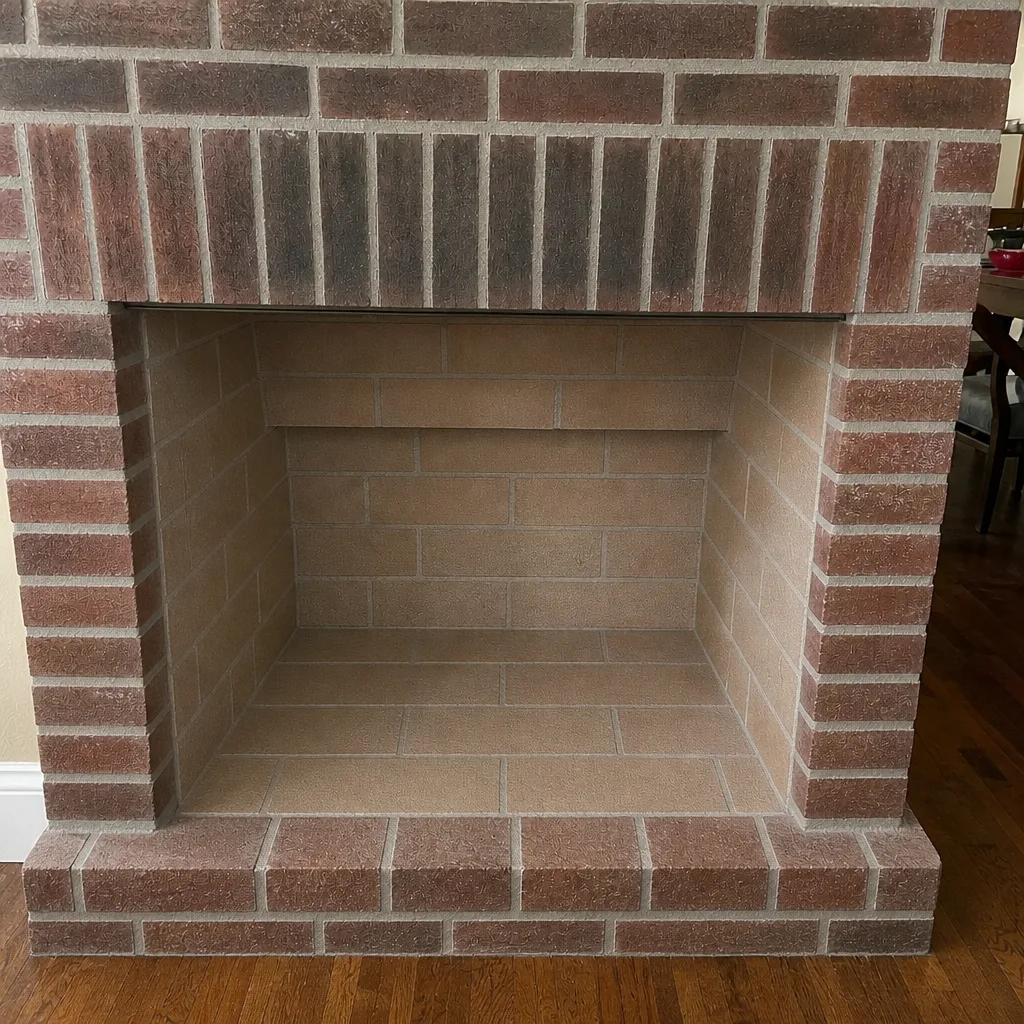 After
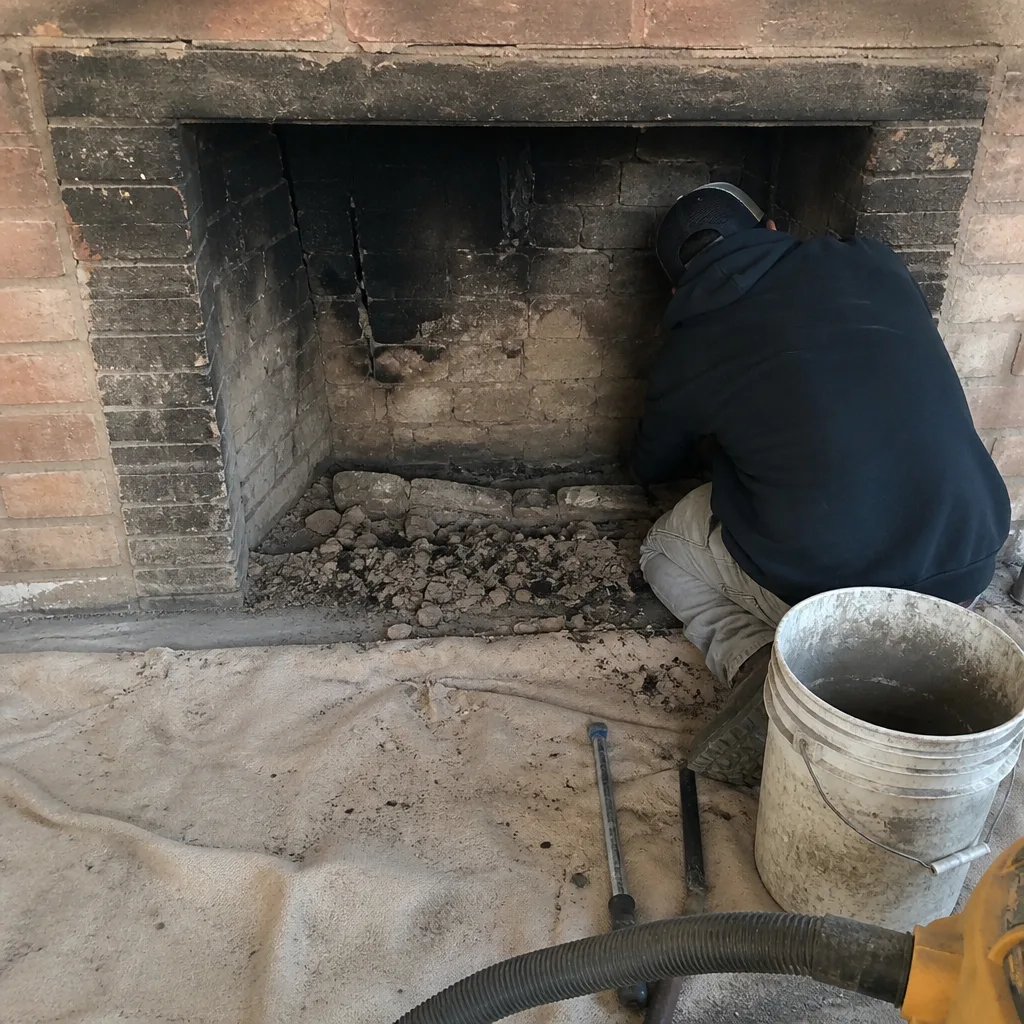 Before
 After
 Before
 After