
Last updated November 16, 2026
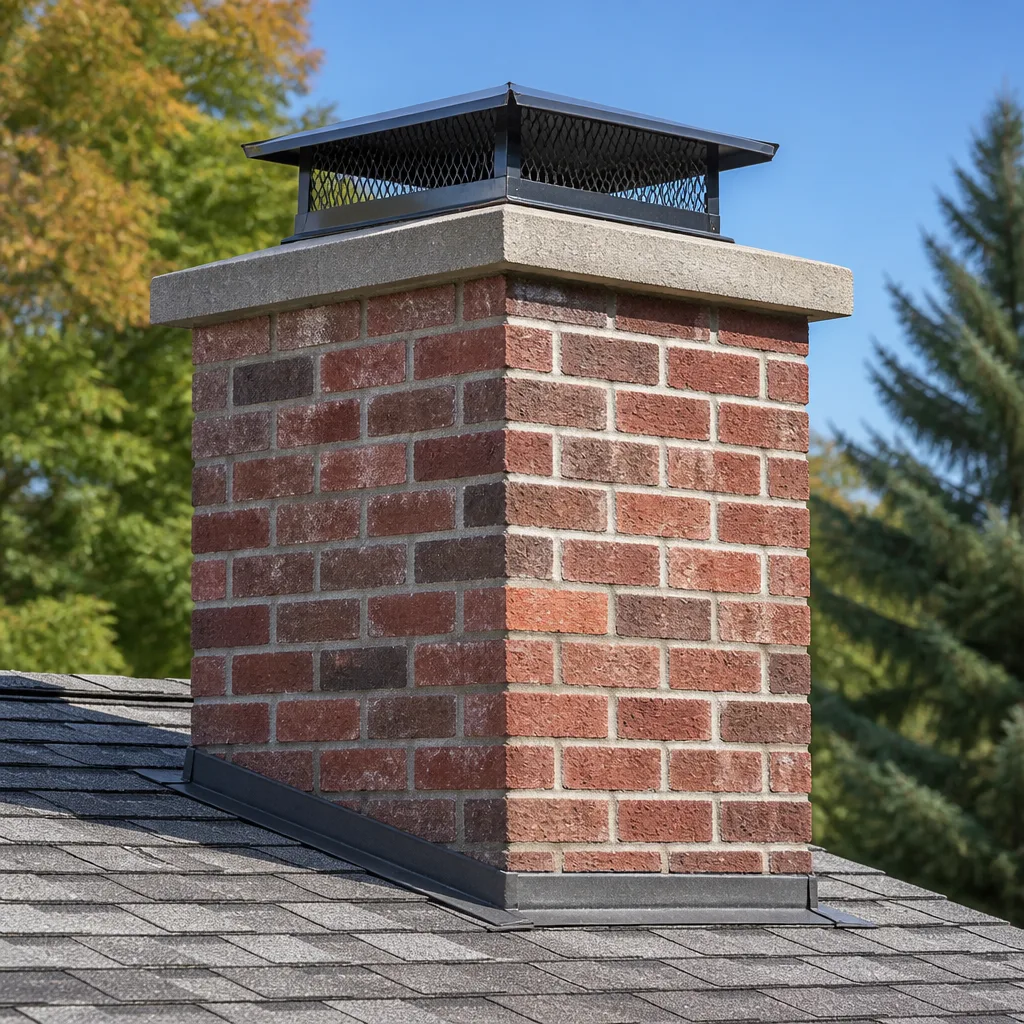
 Sweep & inspection
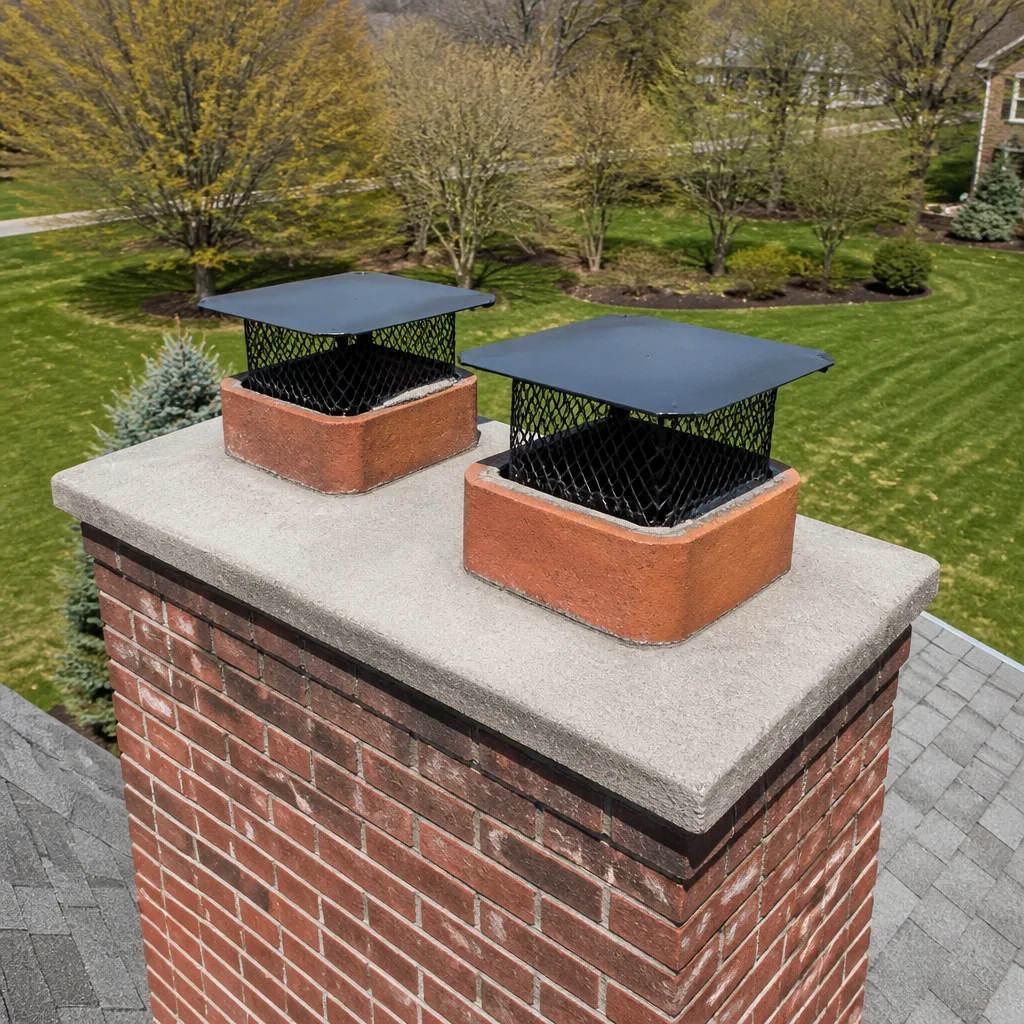
 Caps & crowns
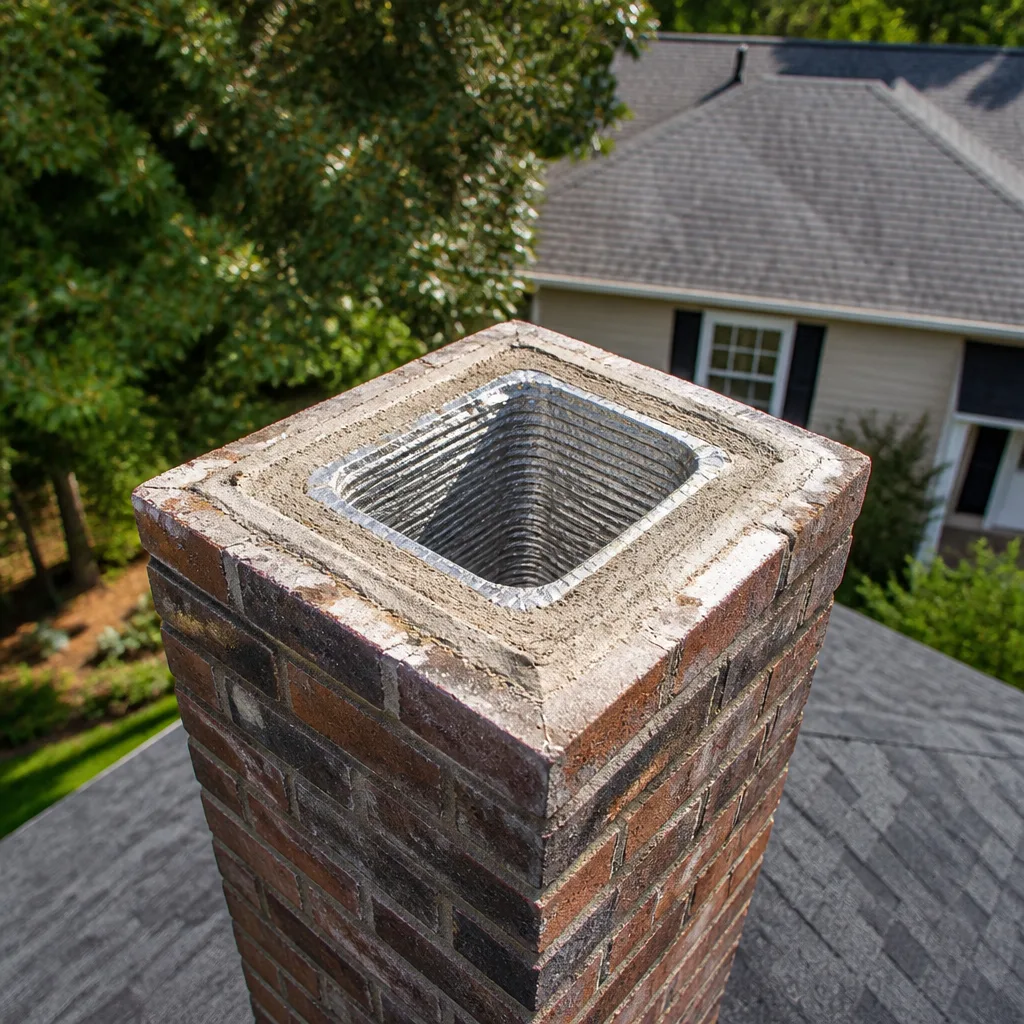 Flue relining
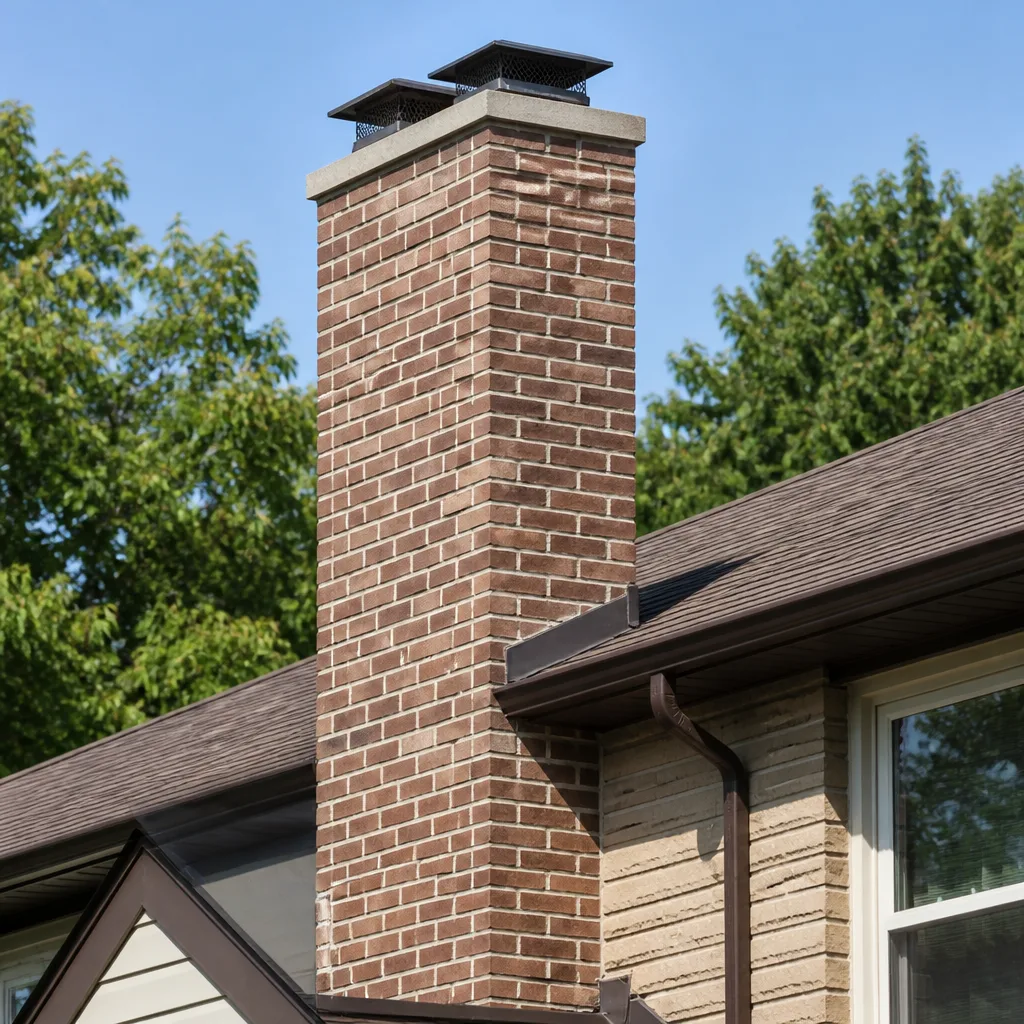 Masonry repair
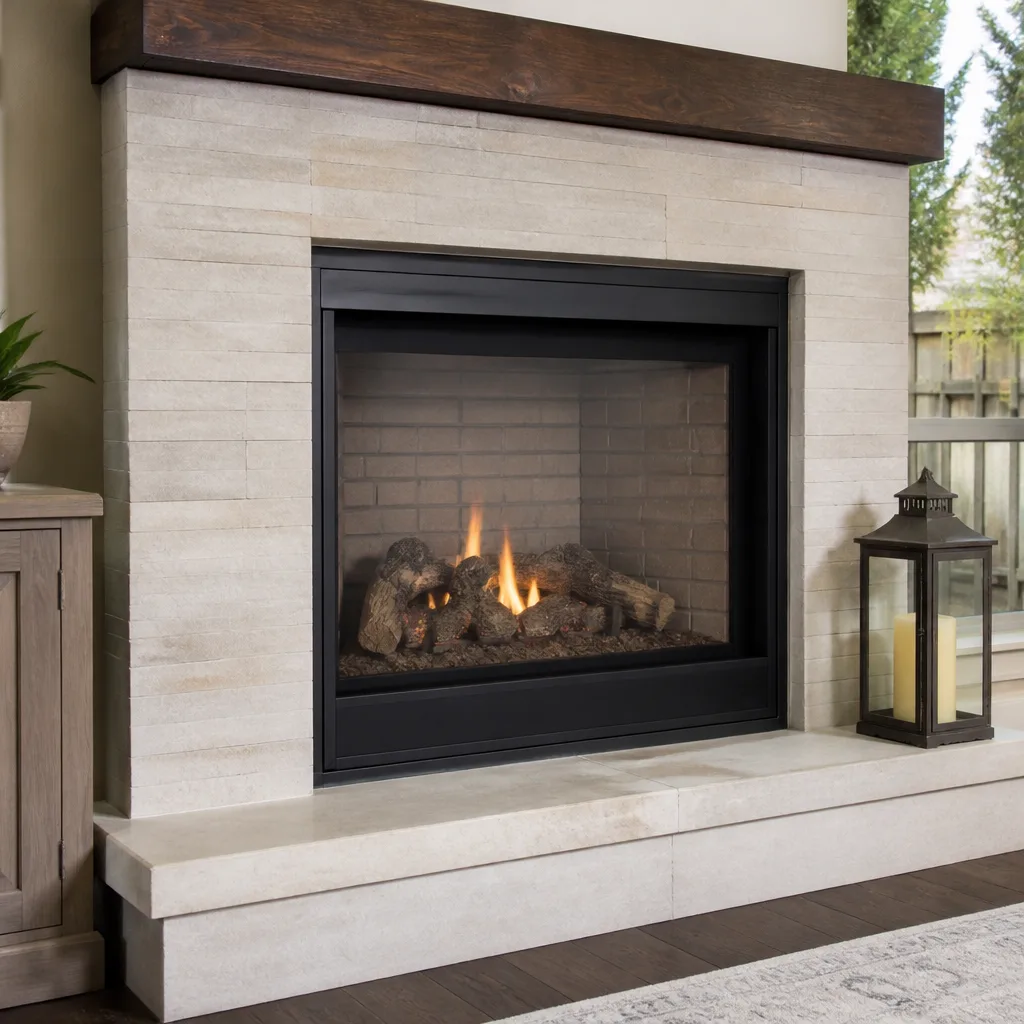 Gas fireplace service
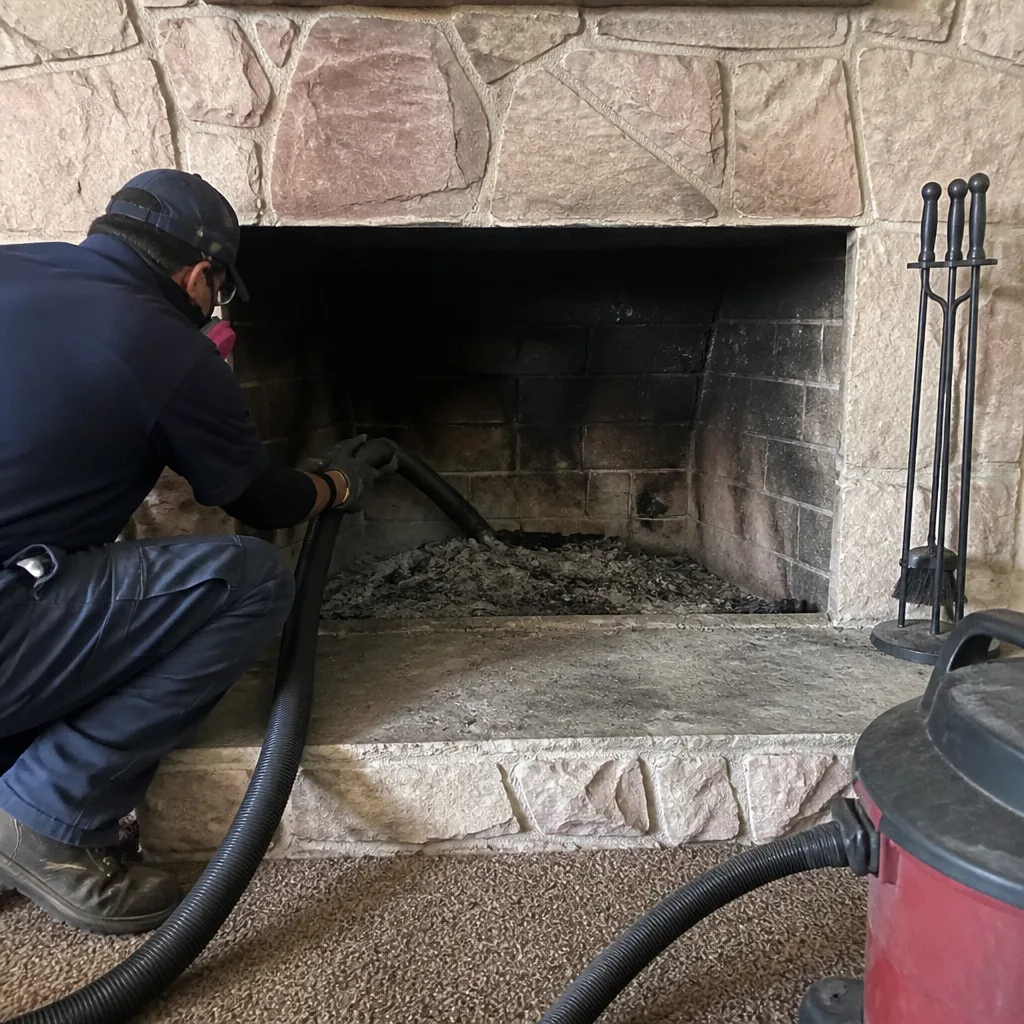
Level 1 sweep and inspection to the NFPA 211 annual standard - flue, crown, cap, and flashing checked and photographed
Chimney sweep logs do not sweep chimneys. They loosen some creosote - which then falls where a brush and vacuum still have to collect it.
Chimney Sweep Maintenance Schedule: What to Do and When
Most homeowners treat a yearly sweep as the whole schedule. It isn’t. “Annual” is a floor written for an average house in an average climate, and plenty of Daly City chimneys blow right past it: a household burning more than two cords of wood a season builds creosote faster than one fire a week, and a gas insert needs eyes on it just as often even though it never sees a log. The right schedule isn’t a date on the calendar. It’s built around what you burn, how often, and how the weather here treats the outside of the chimney. Below we lay out a full calendar for wood, gas, and decorative gas log setups, plus the monthly checks worth doing yourself, so you stop guessing and start matching the work to how your chimney actually gets used.
Quick Answer
The core schedule is: a professional inspection every year, a sweep whenever creosote reaches roughly 1/8 inch inside the flue, and a Level 2 camera inspection whenever something changes (a new home, a remodel, a liner question, or after a chimney fire). In Daly City, add a moisture and flashing check after the rainy season and a cap audit before fall. If you burn more than two cords a season, sweep more than once a year. Our technicians have up to 15 years of experience and will tell you plainly where your chimney sits on that schedule.
Styles & brands we work with
- Sweep & inspection
- Caps & crowns
- Flue relining
- Masonry repair
- Gas fireplace service
Table of Contents
- Why Your Fuel Type Sets the Schedule
- The Wood-Burning Chimney Calendar
- Gas Inserts and Decorative Logs: A Different Rhythm
- Tying Tasks to Daly City’s Seasons
- Level 1 vs. Level 2: What Each Covers and When You Need It
- Monthly Owner Checks That Extend Professional Intervals
- Newly Purchased or Remodeled Homes
- Common Mistakes to Avoid
- When to Call a Professional
- Frequently Asked Questions
Why Your Fuel Type Sets the Schedule
Two chimneys on the same block, same age, same builder, can need very different care. The variable is what goes up the flue. Wood smoke carries unburned particles that condense into creosote on a cool flue surface, and creosote is the fuel behind most chimney fires. Gas burns clean, so there’s almost no soot, but a gas appliance still produces water vapor and a small amount of acidic byproduct, and a vent that’s the wrong size or a liner that’s deteriorated can let that moisture work on the metal or masonry. Decorative gas logs sit somewhere between: pretty flame, low heat, but still a venting appliance with a flue that can clog with debris or nest material.
So the schedule has three tracks. Here’s how we think about each:
- Wood-burning fireplace or stove: the most demanding track. Sweep frequency depends on volume of wood burned, not just the calendar.
- Gas insert: annual inspection is the anchor, sweep only as needed. The inspection is where the value is, checking the vent, the liner, and the appliance connections.
- Decorative gas logs: annual inspection, and a watch for blockage and carbon monoxide risk if the damper or venting isn’t set up correctly.
What we won’t do is flatten all three into one “come back next year” line. That’s how a wood burner who heats with firewood ends up under-scheduled, or a gas-log owner pays for a sweep their chimney doesn’t need. The schedule should fit the fuel. If you’re not sure which track you’re on, that’s exactly the question a first inspection answers, and you can start by looking at what a professional chimney sweep actually checks.
The Wood-Burning Chimney Calendar
If you burn wood, the calendar runs on cords, not seasons. A household burning a cord or less a year and using the fireplace mostly for ambience can usually hold to an annual sweep plus the yearly inspection. Cross two cords and you’re into twice-a-year territory, and heavy burners, the ones running a stove as actual heat, may need a sweep every few months through the burning season. Creosote builds in layers; catch it at 1/8 inch and it’s a routine cleaning. Let it glaze into a hard, shiny tar and it stops being a sweeping job and starts being a repair job.
Here’s how a wood-burning year tends to look:
- Before the burning season (early fall): full inspection, sweep if creosote is present, cap and spark arrestor check, damper check, and a look at the firebox and damper frame.
- Mid-season if you’re a heavy burner: a second sweep once roughly a cord has gone through the firebox, or sooner if you notice reduced draft.
- End of the burning season: a sweep to clear the season’s creosote so it doesn’t sit on the flue through the wet months, plus a visual inspection.
- After the rainy season: exterior moisture check, crown and flashing review, masonry look for staining or spalling.
One thing worth saying out loud: don’t judge your creosote by what you can see from the fireplace opening. The dangerous buildup forms higher up the flue, where the smoke cools. That’s why a mirror-and-light inspection from a trained eye matters more than what looks clean from the hearth.
Gas Inserts and Decorative Logs: A Different Rhythm
Gas chimneys fool people into thinking they need nothing. They don’t produce creosote, true, but they do produce moisture, and moisture is patient. An annual inspection is still the backbone here, because the things that go wrong on a gas vent, a rusted or disconnected liner, a blocked termination, a deteriorated appliance connector, are not things you can spot from the living room. A decorative gas log set adds one more: carbon monoxide. If the damper is closed and the venting is wrong, there’s no smoke to warn you and no smell to tip you off.
For gas, the calendar looks like this:
- Annual inspection covering the vent, liner, appliance connection, and termination. This is the non-negotiable one.
- Sweep as needed. Gas flues rarely need a full sweep, but debris from birds, squirrels, or a loose cap can block them, and that gets cleared during inspection.
- Carbon monoxide detector check. Keep a working CO detector on every level of the home. That’s a homeowner task, not a chimney one, but it’s part of the schedule.
- Post-rainy-season vent check if your termination cap or vent is on an exterior wall exposed to weather.
We’ve seen gas setups that had gone years without a look because “it’s just a gas insert.” The inspection isn’t about soot. It’s about venting and safety, and that’s worth an annual visit.
Tying Tasks to Daly City’s Seasons
Daly City has its own rhythm. Mild winters mean you’re not fighting deep freezes, but the wet season does real work on the outside of a chimney: the crown, the flashing where the chimney meets the roof, and the masonry itself all take on water. Water is the quiet enemy here. It gets into a hairline crack, and the next cool night followed by a warm day can open that crack a little wider, over and over, until a repair becomes a rebuild. So the seasonal calendar does double duty: fuel and fire inside, weather and water outside.
Here’s how we line it up for a Daly City homeowner:
- Early fall (pre-winter readiness): the main event. Inspection, sweep if needed, cap and spark arrestor check, damper operation, and a look at flashing and crown before the rain arrives.
- After the rainy season (late winter into spring, depending on the year): moisture inspection. Look for damp patches on the ceiling near the chimney, staining on the exterior masonry, or rust streaks on the firebox. That’s the time to catch a flashing or crown problem before summer dries everything out and hides the evidence.
- Summer (cap and flashing audit): check the cap for damage or bird nests, confirm the flashing is sealed, and get ahead of the fall rush. This is a good window for any repair work because the weather cooperates.
- Year-round: burn seasoned wood, keep the firebox clear, and watch the damper.
There’s no single “Daly City sweep date,” because how you use the chimney drives the schedule, not the month. But leaning the exterior checks into the shoulder seasons and the combustion checks into the fall works with the local weather instead of against it.
Level 1 vs. Level 2: What Each Covers and When You Need It
This is where homeowners pay for scans they don’t need, or skip one they do. The inspection levels are standardized, and knowing the difference keeps you from being sold a camera inspection on a chimney that just needs a sweep.
Level 1 is the basic annual inspection. It’s a visual check of the readily accessible parts of the chimney and venting system: the firebox, damper, flue from the bottom (as far as you can see with a light and mirror), and the exterior where accessible. It’s appropriate when nothing has changed since the last inspection and you’re just staying on schedule. Most years, this is the one you need.
Level 2 is more. It adds a video camera scan of the flue, a closer look at accessible portions of the chimney and connections, and, for a wood fireplace, often a camera scan of the flue interior. It’s appropriate when something has changed or when you’re troubleshooting.
When a Level 2 is the right call:
- You’ve just bought the house.
- You’ve changed the appliance, the fuel type, or the venting.
- You’ve had a chimney fire, even a small one.
- You’re seeing symptoms: smoke, a smell, a draft problem, water in the firebox.
- Anyone is recommending a liner or a repair, and you want evidence before you spend the money.
That last point is the one we push hardest. “Do I really need a liner?” is a fair question, and the honest answer is: show me the camera. A video scan lets you see what we see. Nothing gets recommended without evidence you can look at yourself.
Monthly Owner Checks That Extend Professional Intervals
You don’t need to be comfortable with ladders to do the monthly checks that keep a chimney healthy between professional visits. These are visual and operational, ten minutes of attention that can flag a problem before it becomes a repair.
- Operate the damper. Open it fully and close it. It should move smoothly and seat correctly. A sticky damper is a draft problem waiting to happen.
- Look inside the firebox. Check for new cracks in the firebox brick or mortar joints. Small is fine to monitor; growing is not.
- Check the cap and chimney top from the ground (binoculars help). Look for birds or squirrels moving in and out, a loose or missing cap, or a visible change.
- Look for smoke backdraft when you start a fire. A puff of smoke into the room at startup can mean a partial blockage or a cool flue. Repeated smoke, not a one-time puff, is the signal.
- Smell for creosote or damp smells on warm days when the fire hasn’t run for a while. A strong creosote smell, especially after a fire, is worth a call.
- Scan the ceiling and walls near the chimney for new stains, and check for rust on the firebox or damper. Rust often means water is getting in.
These checks don’t replace the annual inspection. What they do is give you a reason to call earlier than the schedule might have, which is exactly what you want. If a check turns up something, that’s a short conversation with a professional, not a panic.
Newly Purchased or Remodeled Homes
A newly purchased home is a blank slate with someone else’s history. You don’t know when it was last swept, what was burned, or whether the liner was ever replaced. A newly remodeled home carries its own risk: a remodel that touched the fireplace, changed an appliance, or moved a wall near the chimney can alter venting in ways the previous setup never had to handle. In both cases, a Level 2 inspection is the right first step, regardless of when that chimney was last swept. You’re establishing a baseline so the schedule from here runs on facts, not assumptions.
In a house that’s changed hands, we also want to see the cap, flashing, crown, and firebox. Those exterior items wear with weather and neglect, and a seller’s last sweep, if there was one, may not have included any of it. Once the home has its baseline inspection, you can drop onto the standard annual schedule, adjusted for what you burn. The same thinking applies after a remodel: treat it as a new setup that wants a documented starting point. If you’ve had the roof or the chimney looked at recently and only need the cleaning side, that’s a straightforward chimney repair conversation, but the first job is still to see exactly what’s there.
Common Mistakes to Avoid
- Skipping the annual inspection because the chimney “still works.” Working and safe aren’t the same thing. A chimney can vent fine and still be building creosote or hiding a cracked liner. The inspection is cheap insurance against a repair.
- Letting a gas insert or decorative log set go unchecked for years. No soot doesn’t mean no risk. The vent, liner, and connections are where the trouble hides on a gas setup.
- Burning wet or unseasoned wood. Green wood makes more creosote, not less. Seasoned wood means less buildup and a cleaner flue between sweeps.
- Ignoring water in or around the chimney. A damp patch on the ceiling, rust streaks on the firebox, or stained masonry after the rainy season deserve a look before summer hides them again. Water damage doesn’t fix itself.
- Paying for a Level 2 scan you don’t need. If nothing has changed and you’re on schedule, a Level 1 does the job. If anyone is recommending a liner or a repair, insist on seeing the camera. The evidence should be visible to you before you approve the work.
- Assuming the last owner’s sweep is still current. In a recently purchased Daly City home, a Level 2 baseline is the only way to know where the chimney actually stands.
- Closing the damper on a gas log set that needs to vent. Make sure you understand the venting requirement for your specific appliance, and never assume the damper position is safe just because the flame looks fine.
When to Call a Professional
Call a professional when any of these apply: you haven’t had an inspection in more than a year and you don’t know the last time the flue was checked; you’ve had a chimney fire, even a small one; you’re seeing smoke in the room on startup or creosote smells; you’ve noticed water stains, rust, or a new crack; you’ve just bought or remodeled the home; or anyone is recommending a liner and you want to see the video before you commit. A gas appliance with no documented inspection also belongs on that list. Chimney Sweep Daly City offers free estimates in Daly City, and the estimate is set per job by a written quote after an inspection. Call (866) 885-7416. We answer 24/7. Fast dispatch from 7am to 7pm, Sunday through Friday.
Frequently Asked Questions
Sweep based on use, not solely on the calendar: a household burning a cord or less a year can usually hold to an annual sweep, while anyone burning more than two cords should plan for more than once a year, and heavy burners may need a sweep every few months through the season. Creosote at roughly 1/8 inch is the rule of thumb for “time to sweep.” If you’re not sure where you stand, an inspection answers it. Call (866) 885-7416 for an exact quote, estimates are free.
A Level 1 is the annual visual check of accessible parts, firebox, damper, visible flue, and exterior where reachable, and it’s what most years call for. A Level 2 adds a video camera scan of the flue and is appropriate after a new purchase, a remodel, a fuel or appliance change, a chimney fire, or when diagnosing smoke or water problems. If you’re being recommended a liner, a Level 2 camera scan is how you verify the recommendation.
Not always. Many chimneys can be restored rather than re-lined. At Chimney Sweep Daly City, we use the HeatShield ceramic resurfacing system for qualifying chimneys, an alternative to full liner replacement that can save the cost and disruption of the full job. DuraFlex flexible liner systems cover retrofits and re-lining where restoration isn’t the right fit. Nothing gets recommended without camera evidence you can see for yourself, and we’ll tell you plainly when a repair can safely wait. Call (866) 885-7416 for a free estimate.
For a year, often nothing noticeable. Over several years, creosote can build past the sweepable stage into a glazed layer that requires more than a cleaning, and a crack or failed flashing that was a small repair can become a larger one. Skipping the inspection mainly means finding problems later and at greater cost. It’s the difference between routine and unexpected. Call (866) 885-7416 to get back on schedule with a free estimate.
Schedule a Level 2 inspection before you light a fire. You don’t know the history of the chimney, what was burned, or whether the liner was ever touched. A baseline inspection gives you a documented starting point, and everything after that runs on facts rather than guesses. The same advice applies after a remodel that touched the fireplace or venting.
The inspection decides. Sometimes a chimney that looks bad from the hearth just needs a routine sweeping, and sometimes one that looks fine has a liner issue that only a camera will show. That’s why we recommend an inspection before any booking, so the work matches what’s actually there. Call (866) 885-7416 to set one up. We answer 24/7, with fast dispatch from 7am to 7pm, Sunday through Friday.
The Bottom Line
“Annual” is a baseline, not a ceiling. The schedule that protects your chimney is built around what you burn and how often: an inspection every year, a sweep tied to creosote and cord count for wood, and a vent-focused inspection every year for gas. Add the Daly City seasonal tasks, the moisture and flashing check after the rainy season and the cap audit before fall, and the monthly owner checks that catch small things early. A new home or a remodel means a Level 2 baseline before anything else. If you take one thing away, take this: know where your chimney sits on the schedule, and don’t let a repair sneak up on you. Chimney Sweep Daly City provides sweeping, inspection, and repair under one roof, using professional-tier materials from DuraFlex, HeatShield, Gelco, Olympia Chimney, Famco, and Copperfield. The same team that inspects also sweeps and repairs, so nothing gets lost between subcontractors. For a free estimate, call (866) 885-7416. We answer 24/7. Looking for a trusted chimney professional in Daly City to get your schedule back on track? That’s what we do. Our technicians have up to 15 years of experience, and we’ll show you what we find before we recommend anything.
Written by the team at Chimney Sweep Daly City.
Explore our full range of services at Chimney Sweep Daly City, and if you’re in a nearby community, we’re glad to help you build a maintenance schedule that fits how you actually use your fireplace.
See the difference
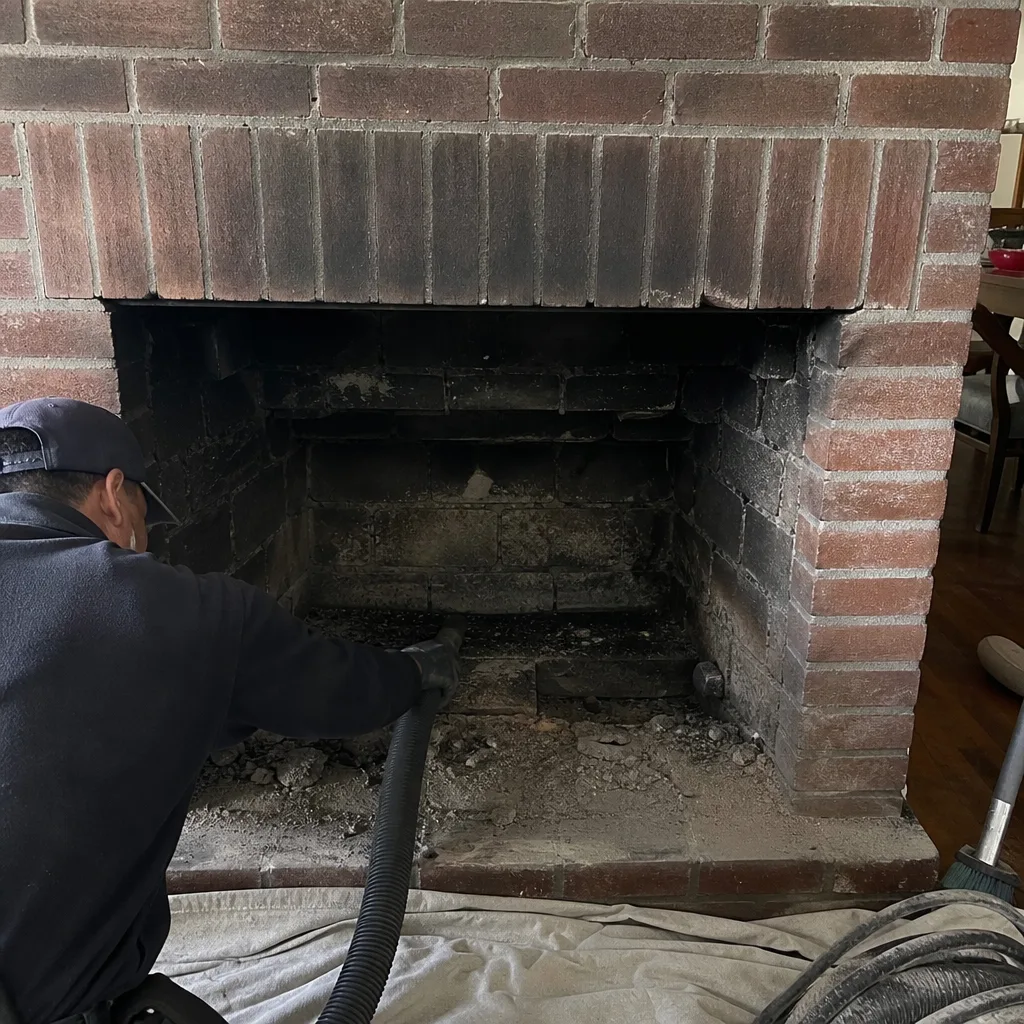 Before
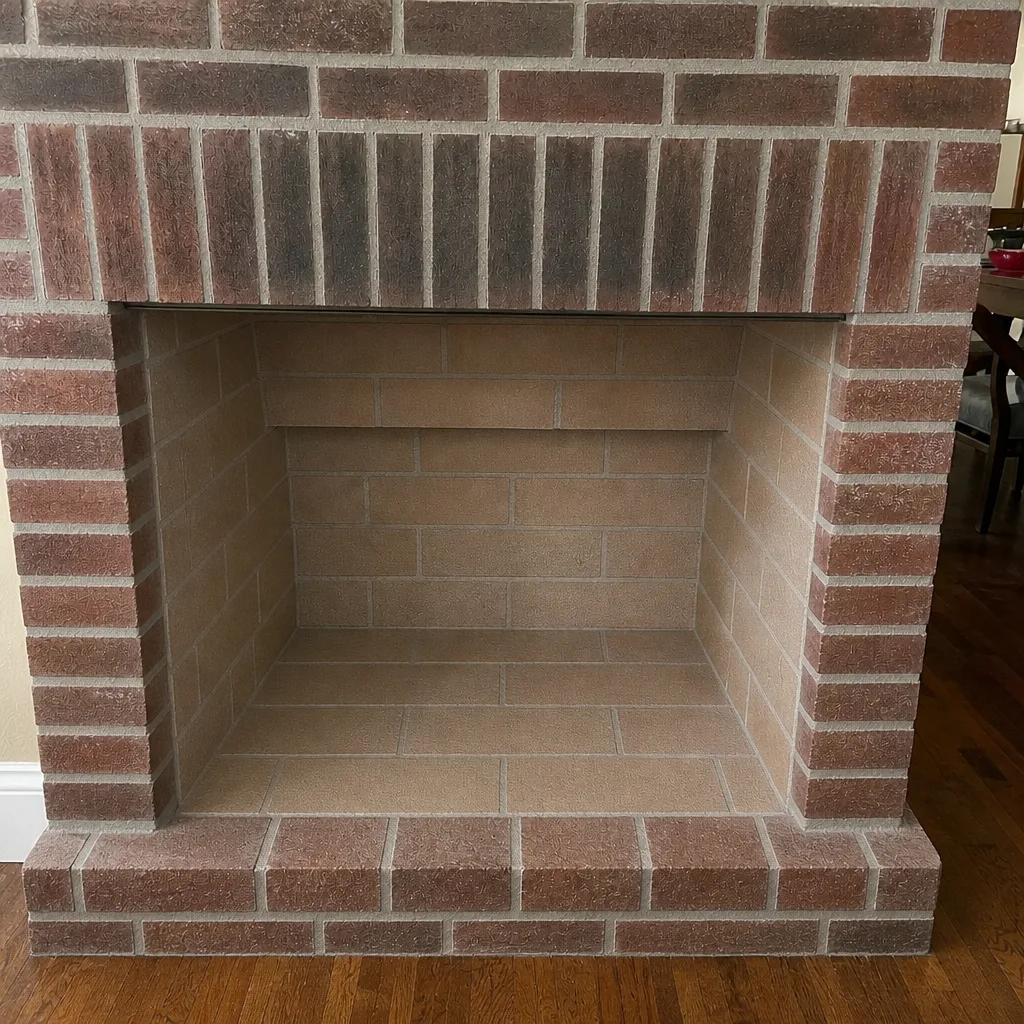 After
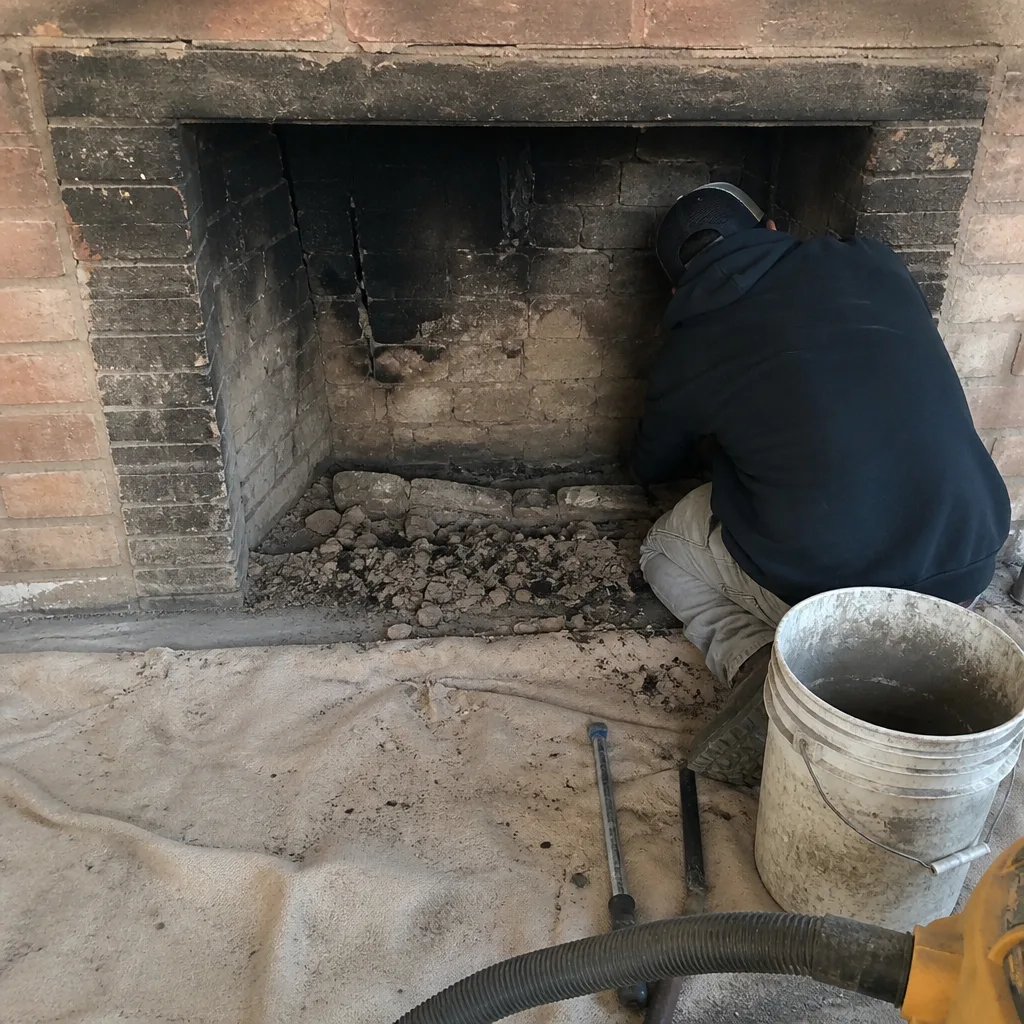 Before
 After
 Before
 After