
Last updated November 16, 2026
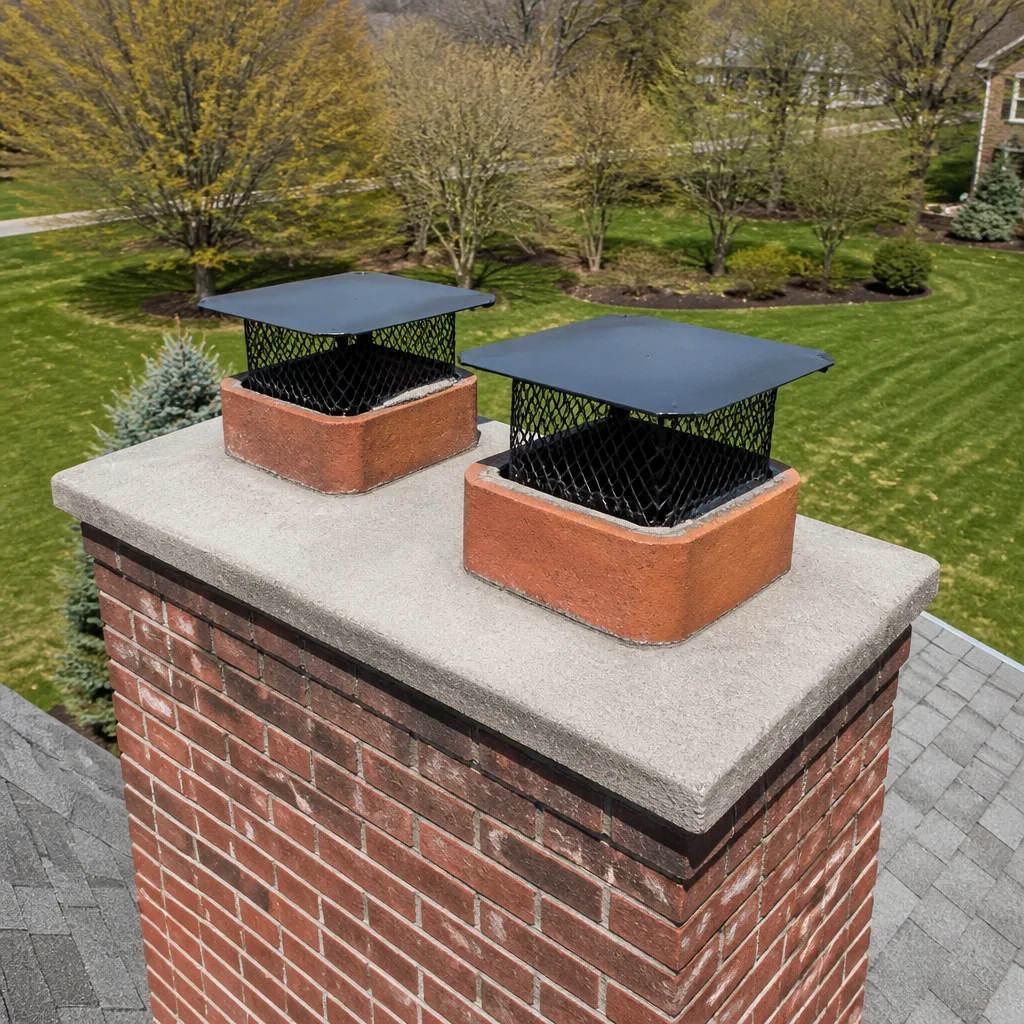 Sweep & inspection
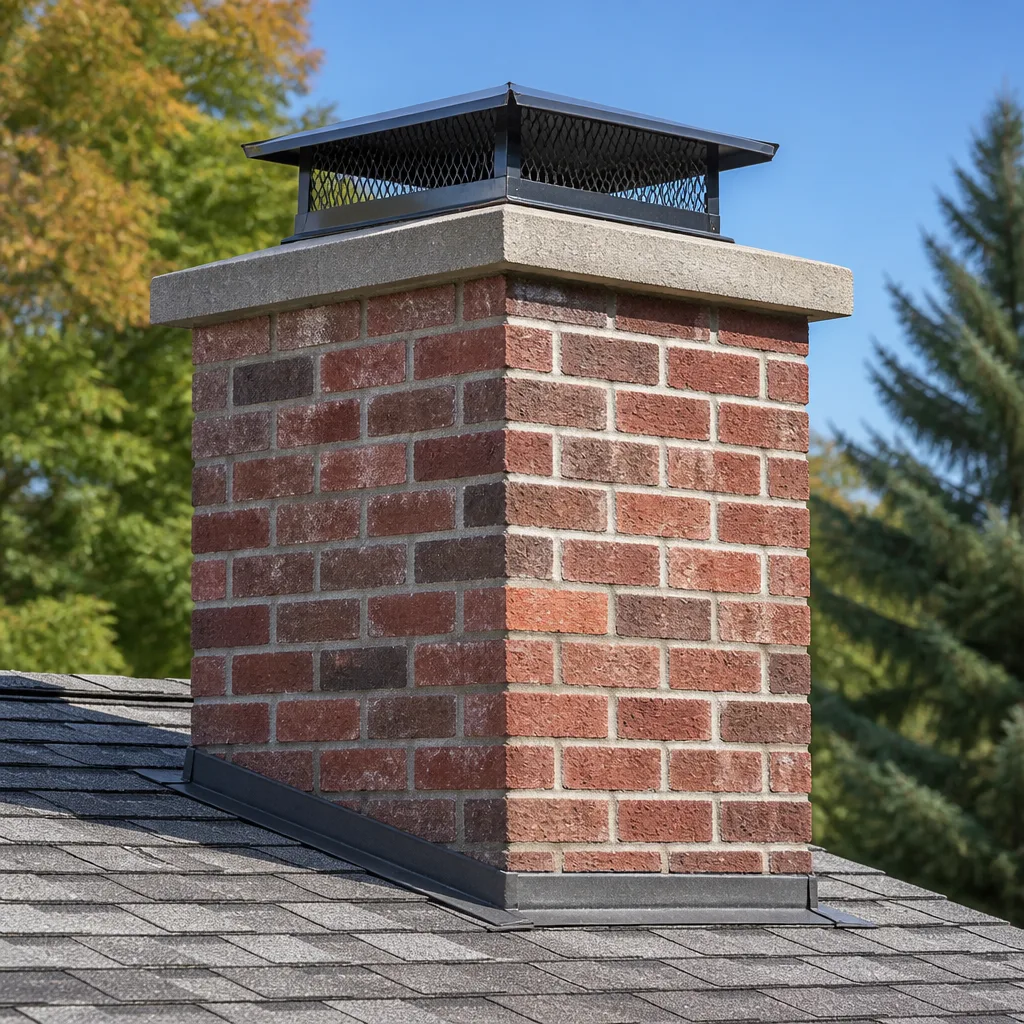 Caps & crowns
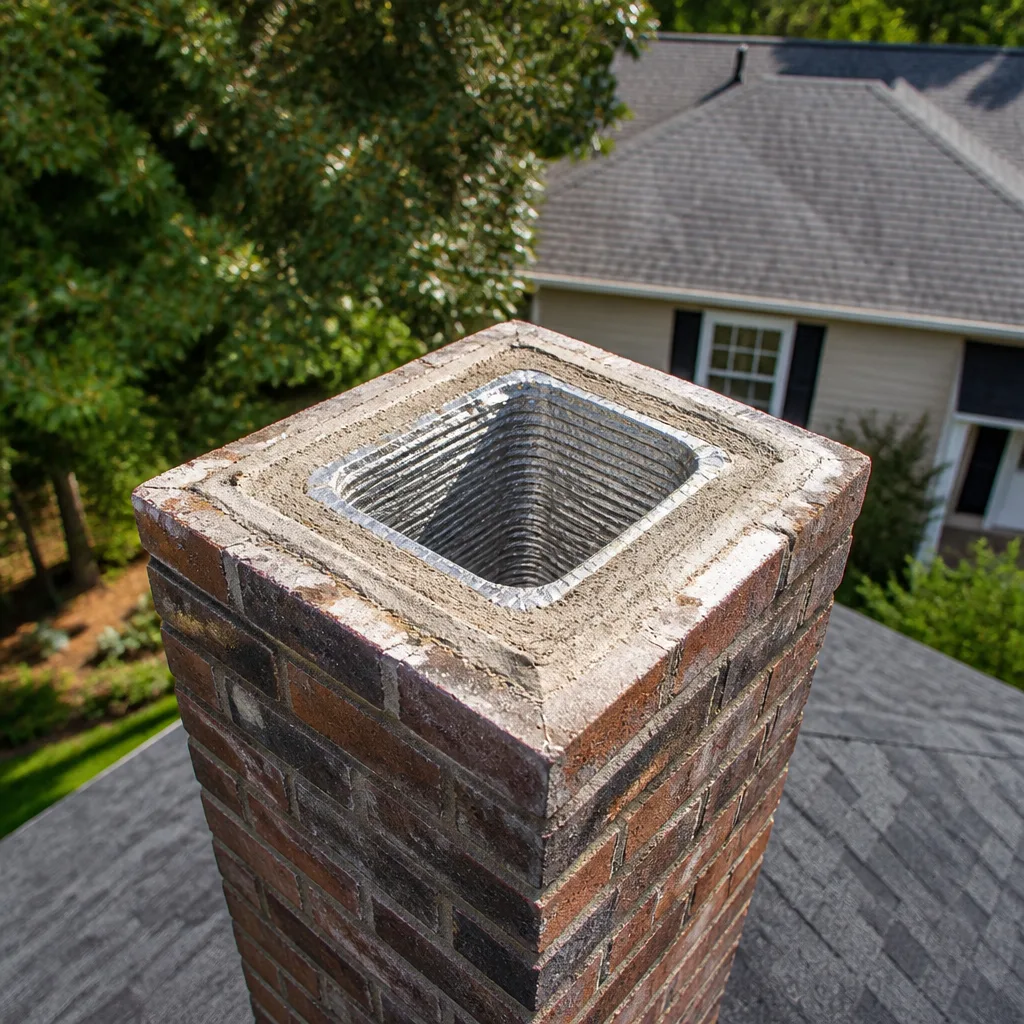 Flue relining
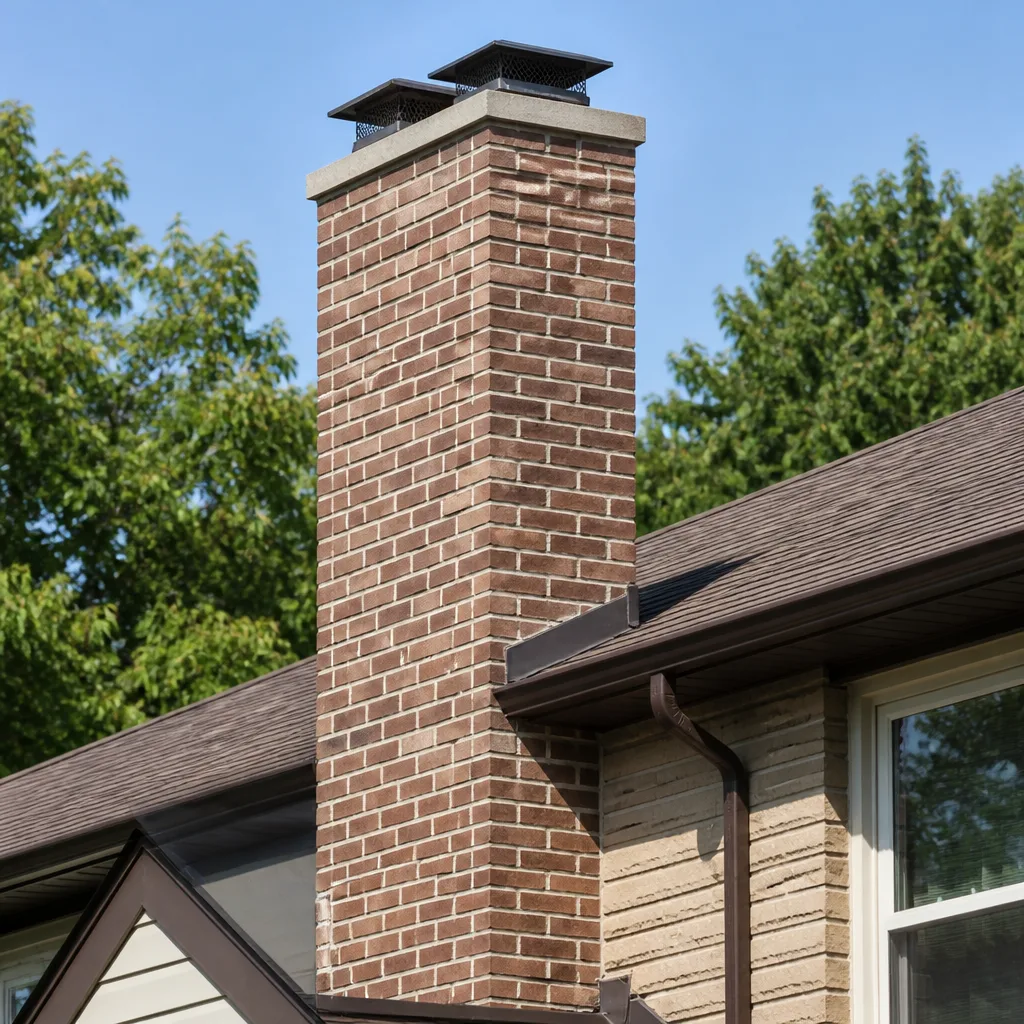 Masonry repair
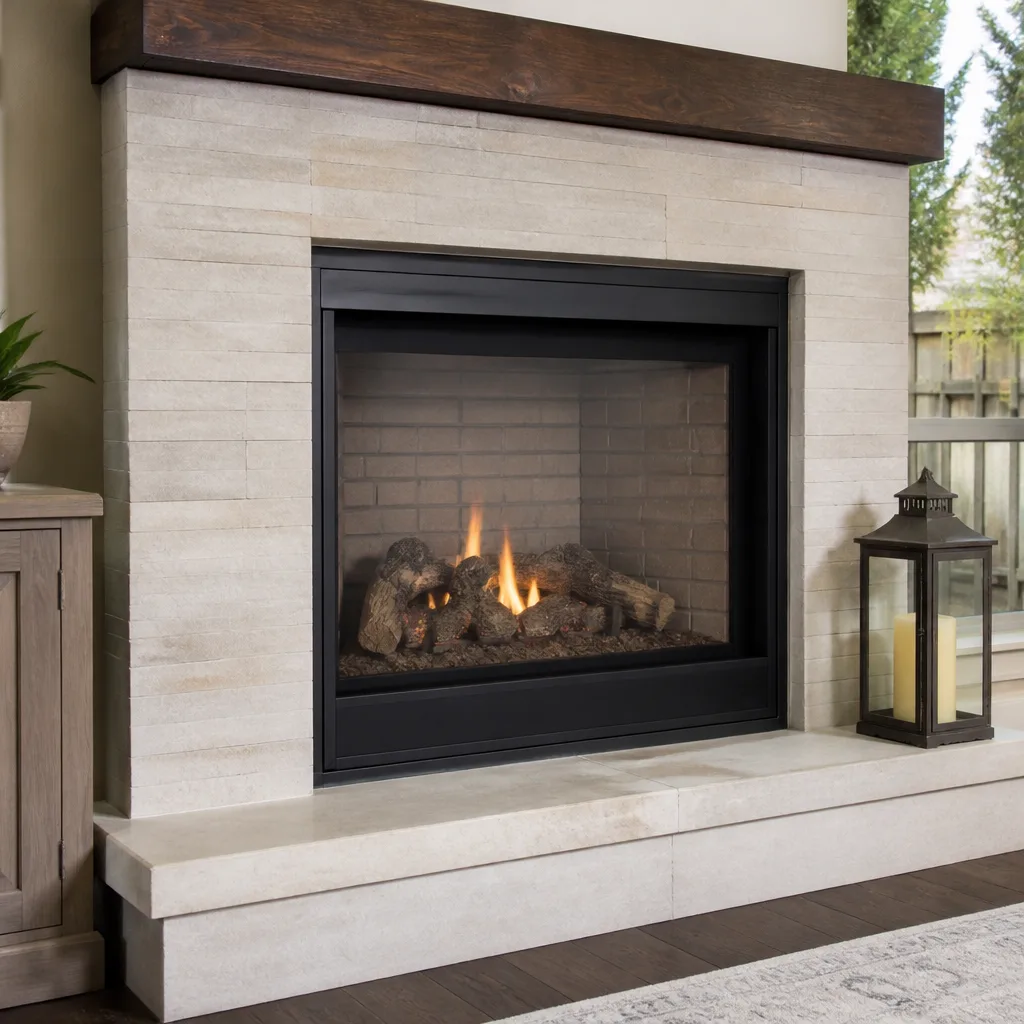 Gas fireplace service
Level 1 sweep and inspection to the NFPA 211 annual standard - flue, crown, cap, and flashing checked and photographed
Chimney sweep logs do not sweep chimneys. They loosen some creosote - which then falls where a brush and vacuum still have to collect it.
Chimney Cleaning Warning Signs: A Daly City Homeowner’s Reference Guide
A white stain running down the outside of your chimney isn’t weathering or age. It’s efflorescence, and it means water is actively moving through your masonry. In Daly City’s damp climate, it’s one of the most commonly ignored early warnings a chimney sends. Most chimney problems announce themselves well before anything dangerous happens. The trouble is that homeowners don’t know what they’re looking at inside the firebox or on the chase exterior, so they wait. This guide names the specific signs, explains what each one indicates, and tells you which need same-week attention versus a note on the calendar for your next sweep in Daly City.
Quick Answer
The main chimney cleaning warning signs in Daly City are glaze or tar deposits inside the firebox, spalling brick, white efflorescence stains on the exterior, rust streaking from the cap, sulfur or acrid odors, and smoke that rolls into the room on mild days. Any of these means the flue needs a professional look before you burn again. Signs that involve odor, draft failure, or visible moisture damage warrant same-week attention; light soot and a thin dusting of creosote can typically wait for your next scheduled chimney sweep.
Styles & brands we work with
- Sweep & inspection
- Caps & crowns
- Flue relining
- Masonry repair
- Gas fireplace service
Table of Contents
- Signs You Can See Inside the Firebox
- Exterior Warning Signs in Daly City’s Climate
- Odor-Based Warning Signs
- Draft and Smoke Behavior Warnings
- Same-Week Signs Versus Signs That Can Wait
- Why Daly City’s Wet Season Changes the Timeline
- What a Professional Inspection Actually Covers
- Keeping a Simple Chimney Record
Signs You Can See Inside the Firebox
You don’t need tools to spot the most important early warnings. A flashlight and a clear eye will do. Before you light a fire, look up into the firebox and at the damper area. What you see tells you how much creosote has built up and what kind it is.
- Light, flaky soot: The normal dusting of a fireplace in regular use. This is the easiest stage to clean and the safest to burn on for a while longer.
- Crumbly black deposits: Second-stage creosote. It flakes and crusts and often comes off in chips. It’s a sign cleaning is overdue.
- Shiny, hardened glaze: Third-stage creosote. It looks like a coat of dark varnish or tar baked onto the flue walls. This stage is the most combustible and the hardest to remove. It cannot be brushed away like soot. It requires professional removal.
- Tar-like drips: Creosote that has run down and pooled. It points to a flue that has been running too cool or too wet.
- Spalling brick or flaking mortar inside the firebox: Brick faces peeling or mortar turning to grit. Moisture or heat stress is working on the masonry.
- Cracked or missing firebrick: Gaps in the firebox lining let heat reach the structure behind it. This one needs prompt attention.
In Daly City, the mild climate means fireplaces often run short, cool fires through the damp months rather than long hot burns. Cool fires produce more creosote than hot ones. That’s why a Daly City homeowner can build up glaze faster than expected on what feels like light use. If you see shine or tar inside the flue, that’s your signal to book a chimney repair assessment rather than waiting for the next annual sweep.
Exterior Warning Signs in Daly City’s Climate
The outside of your chimney tells a story too, and Daly City’s damp, foggy weather pushes that story along faster than a dry climate would. Take a walk around the exterior and look at the chase, crown, and cap with purpose.
- White efflorescence stains: The chalky white bloom on masonry means water is moving through the brick or mortar and leaving mineral salts behind as it dries. It’s not cosmetic. It’s the masonry telling you moisture is getting in.
- Mortar erosion: Joints that look recessed, sandy, or easy to scrape with a fingernail. Wet mortar that keeps getting soaked eventually washes out.
- Rust streaking: Orange-brown trails running down from the cap or chase top. The metal cap or flashing is deteriorating, and water is getting in where it shouldn’t.
- Spalling on the exterior brick: Brick faces popping off in flakes or chunks. This is the advanced stage of a moisture problem.
- Staining on the chase itself: Dark or greenish staining between bricks, or moss and algae growing on the masonry surface. Daly City’s fog belt keeps exterior masonry damp long enough for growth to take hold.
Efflorescence is the sign we see most often ignored in Daly City. Homeowners assume it’s salt from the air or just age. It isn’t. It marks an active water path, usually at the crown, the flashing, or a failing cap. Left alone, that water path will widen over a couple of wet seasons. The roof and chase area at the top of the flue is where most Daly City moisture problems start.
Odor-Based Warning Signs
Your nose is a genuine diagnostic tool, and it can pick up problems your eyes miss. The key is telling the difference between the normal smells of a working chimney and the specific odors that signal trouble.
- Faint smoky smell on a cold, damp day: Usually normal. A cold flue holds odor until a fire warms it up. Daly City’s cool mornings produce this regularly, and it fades once the flue drafts.
- Strong, sharp creosote smell: A heavy, tarry, almost chemical odor that lingers even when the fireplace is cold. This tells you there’s a significant creosote load inside the flue. It’s a cleaning signal.
- Sulfur or rotten-egg odor: This is the moisture signal. It usually means water is sitting somewhere in the chimney system, reacting with soot and masonry. Combined with any exterior staining, it’s a same-week call.
- Musty, earthy smell: Damp masonry or a blocked flue. It’s often the first sign of a moisture problem that hasn’t yet reached the exterior surface.
- Smoke smell inside the house when no fire is burning: A downdraft or a blockage. The flue is pushing air back into the living space instead of exhausting it.
Odors travel. In a Daly City home where the fireplace sits close to the living room, a strong creosote smell on a mild evening is worth acting on. Don’t mask it with air fresheners. An odor that keeps returning after the fire is out usually means the problem is inside the flue, not in the room.
Draft and Smoke Behavior Warnings
Where smoke goes, and when, tells you what’s happening in the flue. Smoke rolling into the room is a real warning, but the circumstances matter. A fireplace that smokes on a mild day behaves differently from one that smokes on a cold day, and the difference points to different problems.
Smoke on a cold day
A cold, heavy outdoor air column pushes down on a flue that hasn’t warmed up yet. Smoke spills briefly at startup and then settles into a normal draw once the flue heats. This is common in Daly City’s cool, foggy mornings. If the smoke clears once the fire is going, the draft is working.
Smoke on a mild or warm day
A warm, mild day is the harder test. The indoor and outdoor temperatures are close, so the flue has little natural draft to work with. If your fireplace smokes on a mild day, that’s an important signal. It can point to a flue that’s too short for the house, an obstruction, a blocked cap, or a damper that isn’t opening fully. This one is worth a professional look because it often indicates a real flue or draft problem, not just a temperature quirk.
Smoke that gets worse over time
A fireplace that used to draft well and now smokes is telling you something has changed inside the flue. A partial blockage, a damaged liner, or a cap that’s clogged with debris all cause this pattern. Don’t wait for the next scheduled sweep. Get it checked.
Draft problems are structural, not cosmetic. If you’re seeing smoke where it shouldn’t be, a proper inspection is the fastest way to know whether it’s a simple blockage or a liner issue. A Chimney Sweep Daly City inspection covers the whole picture: cap, crown, flue, liner, and firebox.
Same-Week Signs Versus Signs That Can Wait
Not every warning sign means drop everything. Some do. Knowing which is which saves you money and stops small problems from turning into repairs. Here’s how we sort them.
Signs that need same-week attention
- Shiny, glazed creosote inside the flue
- Any smoke rolling into the room on a mild day
- A sulfur or rotten-egg odor, or a persistent musty smell
- Cracked or missing firebrick in the firebox
- Visible rust streaking or water getting in from the cap or crown
- A dead bird, debris, or a visible nest inside the flue
- A draft that has noticeably worsened since last season
Signs that can wait until your next scheduled sweep
- A light dusting of soot on the firebox walls
- The faint smoky smell on a cold, damp morning that clears once the fire is lit
- Minor exterior staining that doesn’t change or spread
- A slightly stiff damper handle
- A faint efflorescence bloom with no other symptoms
One rule of thumb: if a sign involves smell, smoke behavior, or visible moisture, treat it as same-week. If it’s only a light soot deposit and the fireplace is still drafting well, you can wait for your regular sweep. If you’re not sure which category a sign falls into, that’s exactly the question an inspection answers.
Why Daly City’s Wet Season Changes the Timeline
Daly City’s rainy season is the period when chimneys take on the most punishment. Persistent damp and cool temperatures mean masonry stays wet longer, and fires tend to burn cool. That combination is rough on a chimney. Wet masonry plus cool fires is the recipe for efflorescence, mortar erosion, and accelerated creosote buildup.
The practical takeaway: schedule your inspection and sweep before the wet months, not during or after. A chimney that gets a clean bill of health and a clean flue before the rain settles in is far less likely to send up the warning signs listed above once the weather turns.
What the wet season does to a chimney
- Moisture works into the masonry: Fog and rain soak the exterior. Without a sound cap and crown, water finds its way into the chase.
- Efflorescence appears: The white bloom shows up as water moves through and dries at the surface.
- Creosote builds up faster: Cool, short fires produce more creosote than hot long burns.
- Draft gets weaker: A wet flue is a cool flue, and a cool flue drafts poorly.
- Small defects widen: Hairline cracks in the crown or mortar joints grow over a wet season.
This is the pattern we talk about most with Daly City homeowners. A flexible liner system from a professional line like DuraFlex or HeatShield restores a flue that has been compromised by moisture and lets you burn safely again. But the first step is always to look. We show you what we find before we recommend anything.
What a Professional Inspection Actually Covers
An inspection is the tool that turns warning signs into a plan. It isn’t just a look up the flue. Here’s what a proper inspection covers, from top to bottom.
- The cap and the top of the chase: The cap, the spark screen, the crown, and the top of the masonry. This is where moisture problems and debris starts.
- The flue and the liner: A camera inspection looks at the full length of the flue for creosote type, cracks, gaps, and any damage to the liner.
- The damper and smoke chamber: Damper operation, and the smoke shelf area.
- The firebox: Brick condition, mortar, firebrick gaps, and the firebox floor.
- Draft testing: Checking that the flue actually pulls, and spotting draft problems before they show up as smoke.
- The full report: What condition the chimney is in, what needs fixing now, what can wait, and what it will cost.
One inspection covers your flue, liner, crown, and firebox – the full picture. Our technicians have up to 15 years of experience. Professional-grade materials matter for the repair step: DuraFlex, HeatShield, and Olympia Chimney are the lines a certified chimney professional works with, not generic substitutes.
Keeping a Simple Chimney Record
A plain notebook or a note on your phone is enough. Record the date of every sweep, the date of every inspection, and what work was done. Note what type of creosote was found, whether any damage was repaired, and what the inspector suggested monitoring.
Why bother? Because patterns matter. If your Daly City chimney builds up glaze in one season, your fire habits or your flue setup may need adjusting. If a repair was done last year and a spot comes back, that’s evidence something else is going on. A three-line entry after each visit saves you from guessing in a few years. It also helps whoever works on the chimney next, because the history is right there.
The most common mistake is assuming a clean firebox means a clean chimney. You can have a spotless firebox and a heavily glazed flue. The record and the inspection report show you the difference.
Common Mistakes to Avoid
- Assuming efflorescence is just age. White staining on the chase means water is moving through the masonry. Waiting through a couple more wet seasons in Daly City lets the moisture problem get worse.
- Waiting for smoke to become a real problem. Smoke on a mild day is a real warning. Treat it as a draft problem to check, not a personality quirk of your fireplace.
- Ignoring the smell. Creosote smell after the fire is out, or a sulfur odor, points to a flue problem that won’t fix itself. Masking it with air freshener does nothing.
- Only sweeping once you see panic-worthy buildup. Glaze is hard to remove. Catching it earlier means a shorter, cheaper visit.
- Skipping the annual inspection because the fireplace looks fine. A clean firebox does not mean a safe flue. The liner is the part you can’t see.
- Using the fireplace as a trash burner. Burning paper, trash, or green wood in a Daly City fireplace loads the flue with creosote. Paper especially flares hot and leaves residue behind.
- Trying to clean a glazed flue with a brush. Glaze doesn’t brush off, and forcing a brush won’t remove it. It needs professional removal.
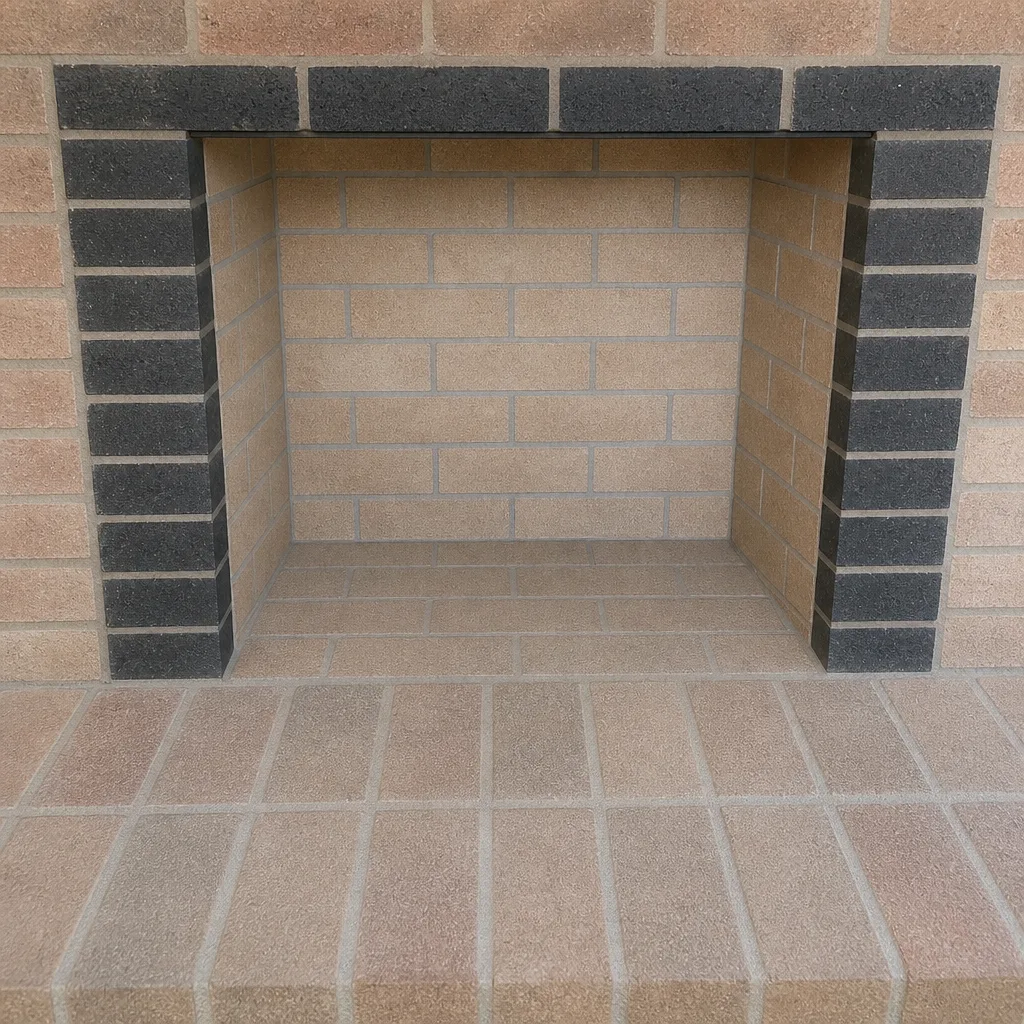
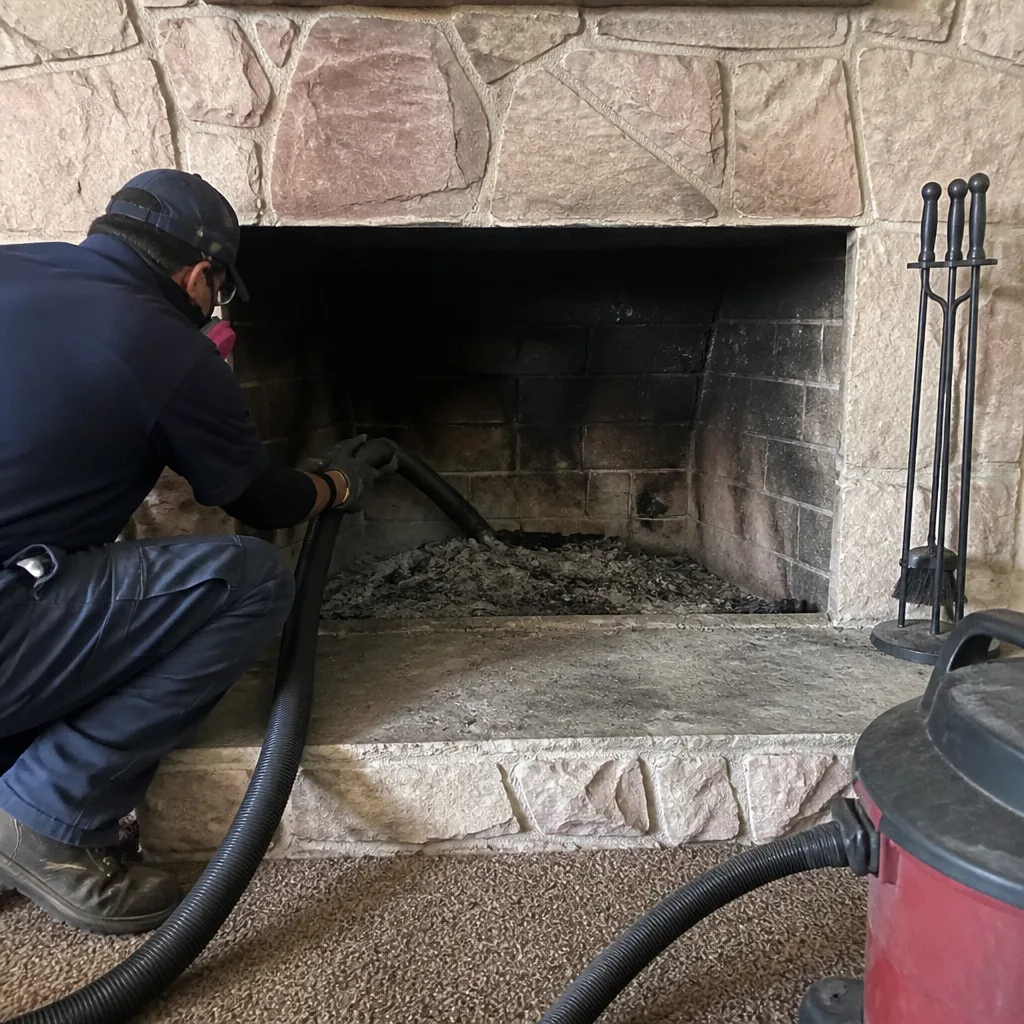
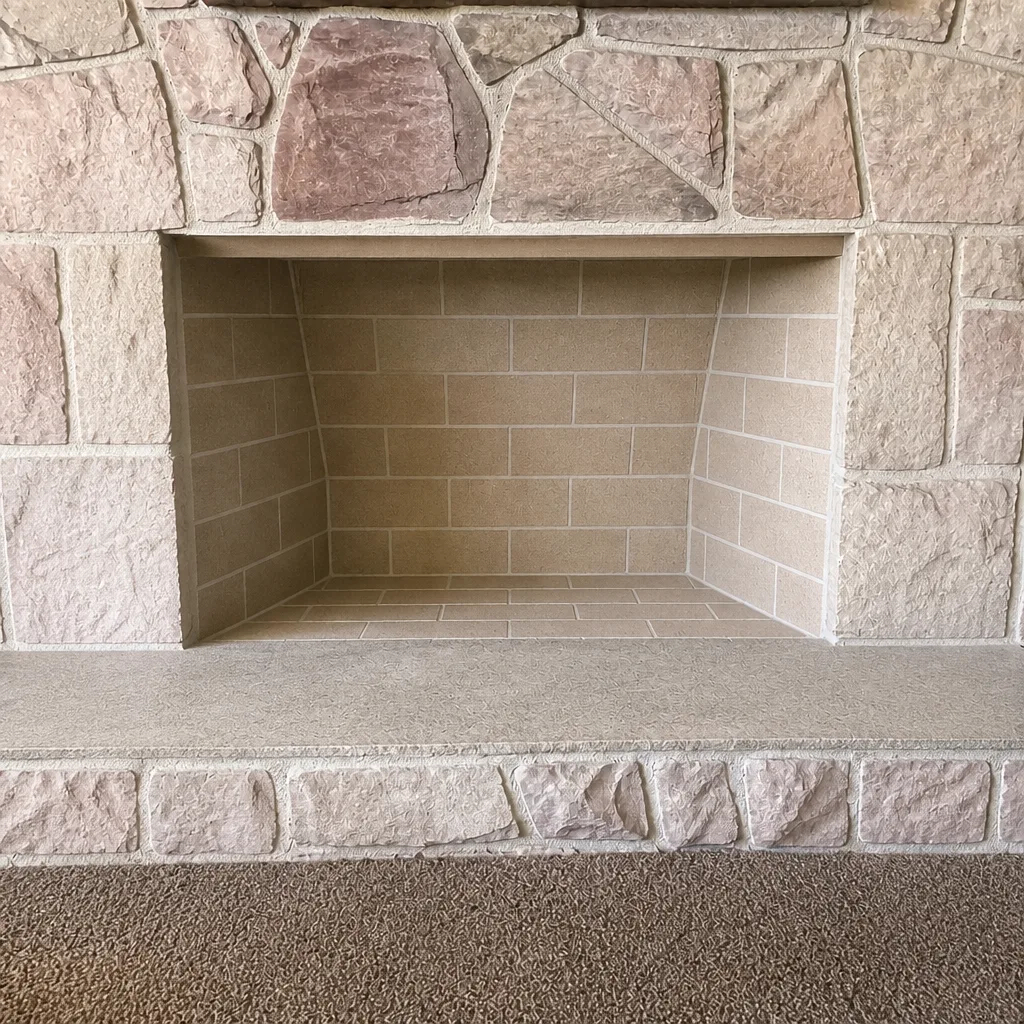
See the difference
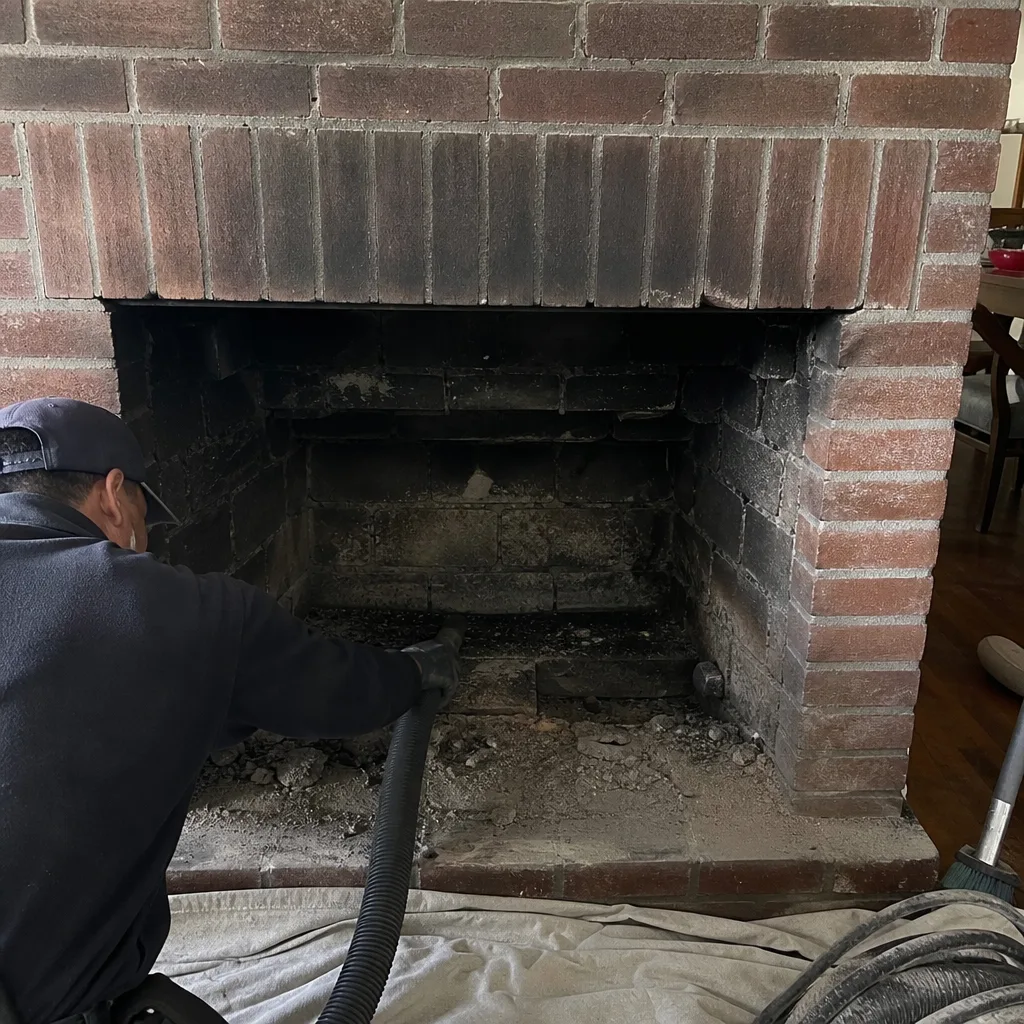 Before
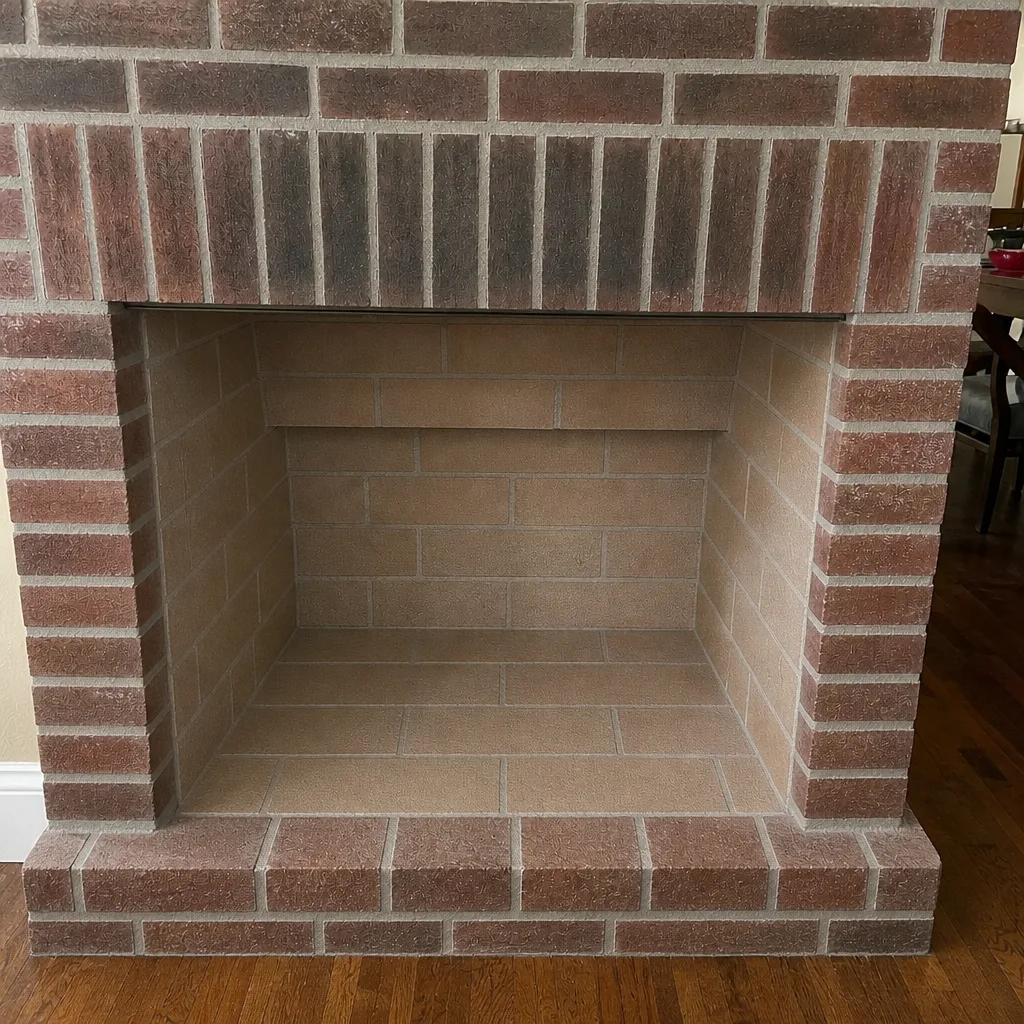 After
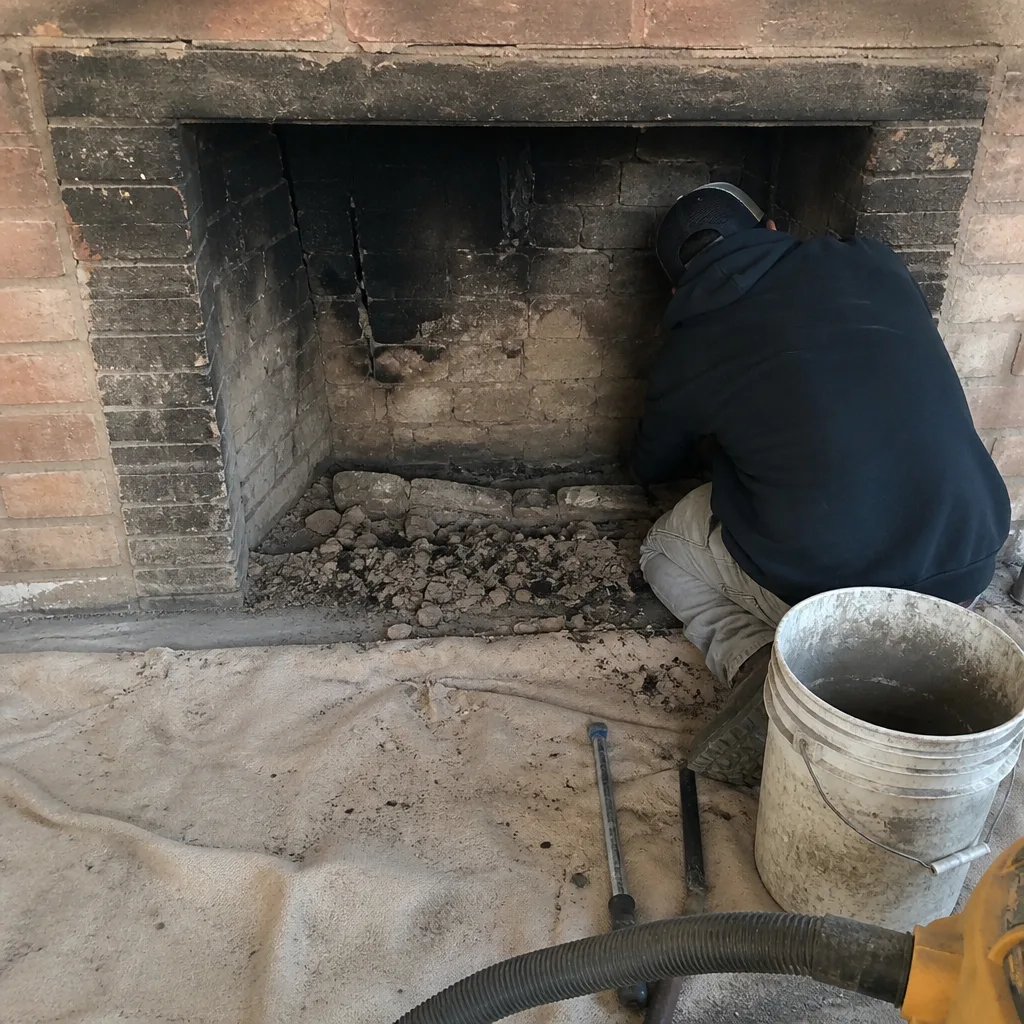 Before
 After
 Before
 After
When to Call a Professional
Call a professional when you see or smell any of the urgent signs in this guide: glazed or tar-like creosote, smoke entering the room on a mild day, sulfur or persistent musty odors, cracked firebrick, or rust streaking from the cap. Call also if you’re not sure what you’re looking at. An honest inspection gives you a clear answer on what needs fixing and what can wait. We show you what we find before we recommend anything. Chimney Sweep Daly City offers free estimates in Daly City – call (866) 885-7416.
Frequently Asked Questions
The most common are glazed or tar-like creosote inside the flue, white efflorescence stains on the exterior masonry, rust streaks from a deteriorating cap, a lingering creosote or sulfur smell, and smoke that rolls into the room on a mild day. Any one of these is reason enough to book an inspection.
Most homes that burn wood regularly need a sweep once a year, and the best time is just before the wet season starts. If you burn short, cool fires often, or you notice glazed creosote, you may need it more often. A professional sweep resets the clock and gives you a clean starting point.
White staining on the exterior is efflorescence, and it means water is moving through your masonry and leaving mineral salts behind as it dries. It’s not cosmetic. It points to a moisture path, usually at the crown, flashing, or cap. Have it inspected before the next wet season.
Not always. A faint smoky smell on a cold, damp morning that fades once the fire warms the flue is usually normal draft behavior. A strong, sharp creosote smell that lingers after the fire is out, or a sulfur odor, is a real warning sign and worth a call.
Light, stable exterior staining can usually wait for the next scheduled visit, but anything that’s actively spreading, combined with rust streaking or a sulfur odor, needs same-week attention. Efflorescence with no other symptoms is worth monitoring; efflorescence with a musty smell is worth a call.
Small problems get bigger. Glazed creosote is more combustible and harder to remove than soot. A moisture path through the crown or flashing widens over the wet season. A draft problem that goes unchecked can leave smoke and carbon monoxide in the living space. Catching the sign early is almost always the cheaper option. Call (866) 885-7416 to schedule an inspection.
The Bottom Line
Chimney warning signs are visible long before anything dangerous happens. The challenge is knowing what you’re looking at. Glazed creosote, spalling brick, efflorescence, rust streaking, sulfur or creosote odors, and smoke that rolls into the room on a mild day are all real signals. Sort them honestly: anything that involves smell, smoke behavior, or visible moisture needs same-week attention; light soot can wait for your next sweep. In Daly City’s damp climate, the wet season makes the timeline tighter, so get ahead of it. If you’re not sure what a sign means, get it looked at. We show you what we find before we recommend anything, and we’ll tell you plainly what can wait.
Call (866) 885-7416. We answer 24/7. Fast dispatch from 7am to 7pm, Sunday through Friday.
Chimney Sweep Daly City handles inspection, sweep, and repair under one roof, working with professional lines like DuraFlex, HeatShield, Gelco, Olympia Chimney, Famco, and Copperfield. To get started, visit Daly City or call (866) 885-7416 for a free estimate.
Written by the team at Chimney Sweep Daly City.